
How to Lower Blood Pressure Without Medication
Your doctor mentioned your blood pressure is “a little high” and suggested “lifestyle changes” before medication. Translation: you have a window to fix this yourself, and it’s bigger than most people realize. If you’re asking how do I manage high blood pressure without medication, here’s the genuinely hopeful news — lifestyle interventions can lower blood pressure as much as a single medication for many people. I’m not anti-medication (it saves lives daily), but if you’ve been offered the lifestyle-first path, it’s worth taking seriously. These are the changes with real evidence behind them.
How to Manage High Blood Pressure Without Medication
Blood pressure responds to lifestyle with remarkable sensitivity. The big levers, roughly in order of impact:
- Lose excess weight. The single most powerful lever for most people. Blood pressure often drops 1 mmHg for every 2 pounds lost — and the effect is most dramatic going from obese to overweight. You don’t need your high-school body; even 10 pounds moves the needle.
- Cut sodium — but smartly. The average American eats 3,400 mg of sodium daily; the target is under 2,300 mg, ideally 1,500 mg. But here’s what matters: 70% of sodium comes from processed and restaurant food, not your salt shaker. Cooking more at home is the highest-impact sodium cut most people can make.
- Move daily. Regular aerobic exercise lowers systolic pressure by 5–8 mmHg on average — comparable to some medications. Thirty minutes of brisk walking most days delivers the bulk of this benefit. Consistency beats intensity.
- Follow the DASH pattern. The DASH diet (fruits, vegetables, whole grains, lean protein, low-fat dairy, limited saturated fat and sweets) was literally designed in clinical trials to lower blood pressure, and it works — often within two weeks. These specific foods help lower blood pressure naturally within that framework.
- Limit alcohol. Heavy drinking raises blood pressure directly. Cutting back — or cutting out — produces measurable drops within weeks.
- Quit smoking. Every cigarette spikes blood pressure for 15–30 minutes and damages vessel walls long-term. Quitting is non-negotiable for blood pressure control.
- Manage stress. Chronic stress keeps pressure high through sustained cortisol and adrenaline. Natural stress-reduction techniques aren’t just wellness fluff — they’re blood pressure medicine without the prescription pad.
- Sleep 7–9 hours. Short sleep (under 6 hours) is independently linked to hypertension. Sleep apnea is a particularly vicious driver — if you snore heavily and feel unrefreshed, get evaluated.
The American Heart Association’s lifestyle changes for blood pressure page is the authoritative reference here.
Potassium: The Underrated Mineral
Everyone talks about cutting sodium; almost nobody talks about raising potassium, which helps your body excrete sodium and eases tension in blood vessel walls. Most adults get barely half the recommended 3,500–4,700 mg daily. The fix is delicious: bananas, sweet potatoes, spinach, beans, avocados, oranges, and yogurt are all potassium-rich. One caution — if you have kidney disease or take certain blood pressure medications (like ACE inhibitors or spironolactone), check with your doctor before deliberately increasing potassium, since impaired kidneys can’t clear excess.
Monitor Like You Mean It
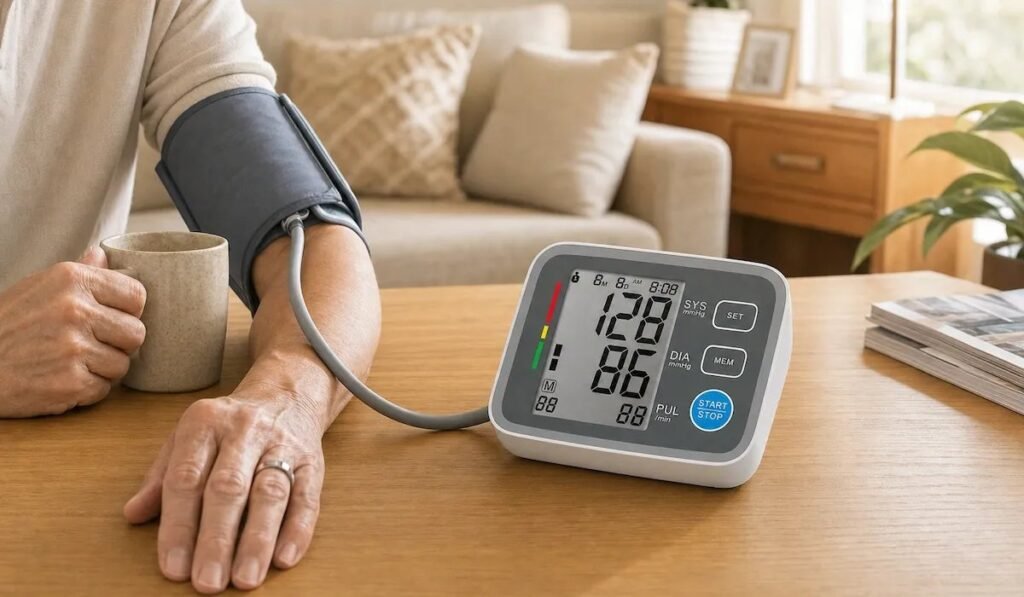
You can’t manage what you don’t measure. A home blood pressure cuff ($40–60, upper-arm models are most accurate) lets you track trends rather than relying on occasional office readings — which are notoriously inflated by white-coat effect. Measure at the same times daily (morning before medication/caffeine and evening), seated with back supported, feet flat, arm at heart level, after 5 minutes of rest. Take two readings a minute apart and average them. Bring a two-week log to appointments — it gives your doctor far better data than a single office number, and watching your own trend improve is powerful motivation.
When Lifestyle Isn’t Enough (No Shame)
Here’s the honest part: lifestyle handles stage 1 hypertension beautifully for many people, but genetics, age, and kidney function mean some people need medication regardless of how perfectly they live. That’s not failure — it’s physiology. The goal was never “avoid medication at all costs”; it’s “achieve healthy blood pressure with the least intervention necessary.” If your doctor recommends medication after an honest lifestyle trial, take it. Uncontrolled hypertension silently damages arteries, heart, kidneys, brain, and eyes — the stakes of under-treatment dwarf any reluctance about pills. Many people do both: medication plus lifestyle, often allowing lower doses over time.
Watch for the red flags that need urgent care: blood pressure readings consistently above 180/120, especially with chest pain, shortness of breath, back pain, numbness, vision changes, or difficulty speaking — that’s hypertensive crisis territory. Call emergency services. The Mayo Clinic’s in-depth hypertension guide covers both lifestyle and medication pathways thoroughly.
The DASH Diet in Practice
DASH sounds clinical until you see it on a plate: oatmeal with berries for breakfast, a big salad with grilled chicken and olive oil for lunch, salmon with sweet potato and broccoli for dinner, snacks of fruit, nuts, and yogurt. The pattern is 4–5 servings each of fruits and vegetables daily, whole grains, lean proteins, and 2–3 servings of low-fat dairy — while capping sodium, sweets, and red meat. Meal prep makes it sustainable: roast a sheet pan of vegetables, cook a pot of whole grains, grill proteins on Sunday, and the week’s DASH eating assembles itself. Frozen produce counts fully — the nutrients are identical and the price is lower. Start by adding rather than restricting: add the vegetables and fruit first, and the processed stuff naturally gets crowded out.
Blood Pressure and Exercise: The Details
Not all exercise affects blood pressure equally. Aerobic (walking, cycling, swimming) gives the biggest sustained reduction — 30 minutes most days is the prescription. Isometric (wall sits, planks) shows surprisingly strong effects in recent research — a few minutes daily of wall sits lowered pressure significantly in trials. Strength training helps long-term (more muscle, better vascular function) but causes temporary spikes during the effort — breathe continuously, never hold your breath under load. What to avoid: maximal heavy lifting with breath-holding (Valsalva) if your pressure is uncontrolled — it spikes dangerously. The warm-up matters: sudden intense exercise on cold vessels stresses the system; ease in over 10 minutes. Start where you are — even 10-minute walks count — and build. The best blood pressure exercise is the one you’ll do for years.
The Practical Takeaway
Start with the three highest-impact moves: trim weight if needed, cook more (cutting the processed-food sodium load), and walk 30 minutes daily. Add DASH-style eating, potassium-rich foods, less alcohol, better sleep, and stress management. Track with a home cuff for a month and watch the trend. You’ve been given a window to handle this without medication — it’s a genuine opportunity, not a lecture. Take it.






