
How to Get Rid of Swelling Around the Eyes: Step-by-Step Guide (2026)
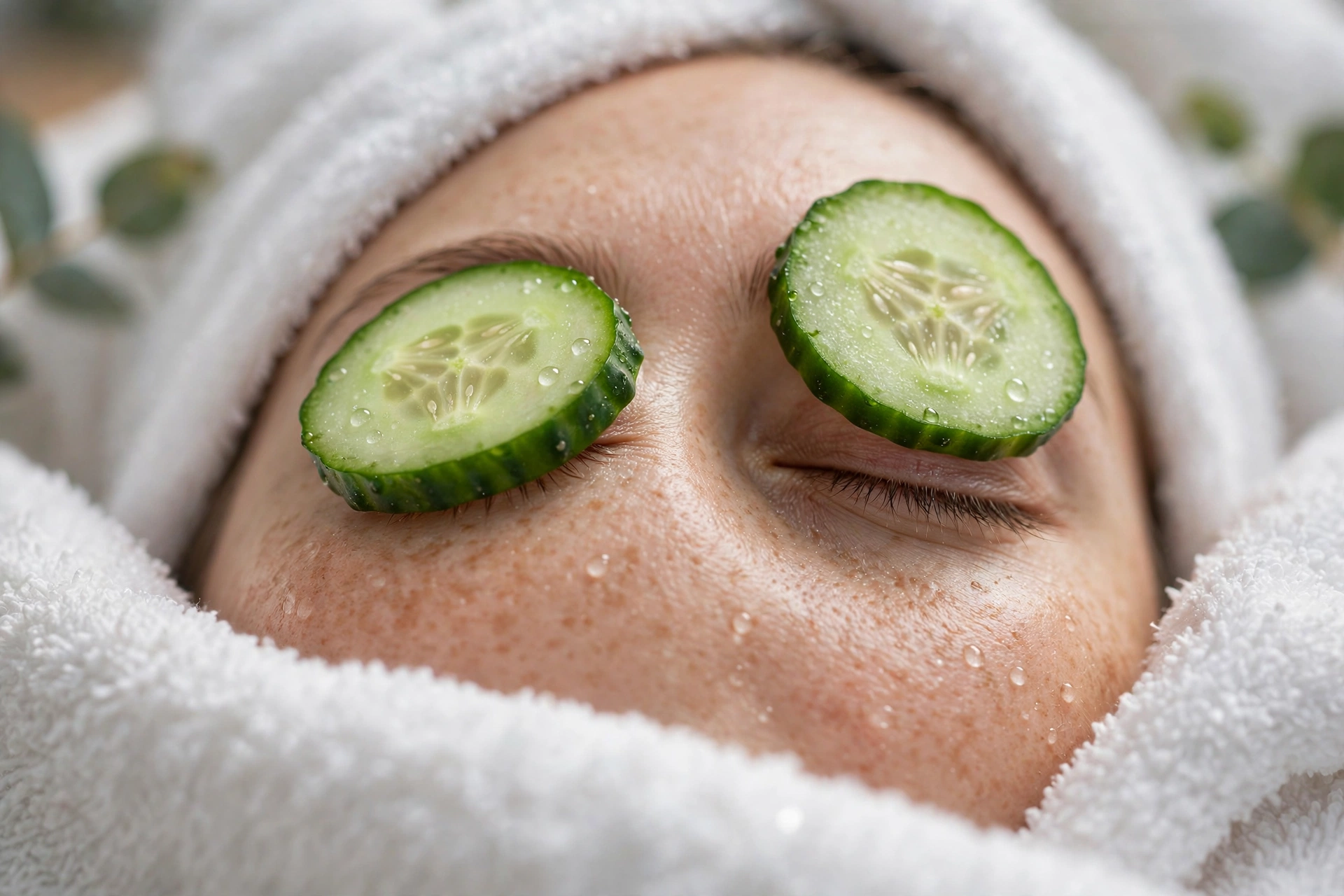
Waking up with puffy, swollen eyes is frustrating — and it happens to almost everyone. Whether it is allergies, lack of sleep, crying, or too much salt, the good news is that most eye swelling fades within hours with the right approach. Here is how to get rid of swelling around the eyes quickly, plus how to prevent it from coming back tomorrow morning.
The Quick Answer
Apply something cold for 10–15 minutes (chilled spoons, cucumber slices, or a cold compress), keep your head elevated, and avoid rubbing your eyes. An antihistamine helps if allergies are the cause. Most puffiness from sleep, salt, or crying resolves within a few hours; swelling that lasts more than 24–48 hours or comes with pain, vision changes, or fever needs a doctor.
Why Eyes Swell
The skin around your eyes is the thinnest on your body, so fluid collects there easily:
- Lack of sleep — poor sleep disrupts fluid balance and blood circulation.
- Allergies — histamine release causes itching, redness, and swelling.
- High salt intake — sodium makes your body retain water, often overnight.
- Crying — tears are salty, and the rubbing irritates delicate tissue.
- Alcohol — dehydrates you while causing fluid retention in the face.
- Aging — tissues weaken over time and fat can shift forward, creating persistent bags.
Fast Fixes That Actually Work
Cold therapy
Cold constricts blood vessels and reduces fluid buildup. Effective options: chilled metal spoons pressed gently under the eyes, cold cucumber slices, a damp washcloth from the freezer, or a gel eye mask kept in the fridge. Apply for 10–15 minutes. The American Academy of Dermatology notes that cold compresses are a first-line approach for periorbital swelling.
Elevate your head
Sleep with an extra pillow or a wedge pillow so fluid drains away from your face instead of pooling around your eyes overnight.
Tea bags
Chilled black or green tea bags contain caffeine and tannins that constrict blood vessels. Steep two bags, chill them, and rest them on closed eyes for 10 minutes.
Gentle massage
Using your ring finger (weakest pressure), lightly tap from the inner corner outward along the under-eye area to encourage lymphatic drainage. Never drag or pull the skin.
Antihistamines for allergies
If pollen, dust, or pet dander is the trigger, an oral antihistamine or allergy eye drops address the root cause rather than just the symptom.
What to Avoid
- Rubbing your eyes — makes swelling and irritation worse.
- Hemorrhoid cream — an old internet trick; it can irritate eyes and is not formulated for facial skin.
- Heavy creams right before bed — rich products can trap fluid; use lighter formulas at night.
- Too much concealer — caking product on swollen skin draws attention to puffiness.
Skincare Ingredients That Help
For recurring puffiness, look for eye products with caffeine (constricts vessels), niacinamide (strengthens skin barrier), hyaluronic acid (hydrates without heaviness), and vitamin K (may help dark circles). Apply with your ring finger, patting — never rubbing. If you are also dealing with lash issues from rubbing irritated eyes, read how long it takes for eyelashes to grow back.
Preventing Morning Puffiness
- Sleep 7–9 hours on your back with your head slightly elevated.
- Cut back on salty foods and alcohol in the evening.
- Remove all eye makeup before bed — residue causes overnight irritation.
- Manage allergies proactively during high-pollen seasons.
- Stay hydrated; dehydration paradoxically causes water retention.
- Limit screen time before bed to reduce eye strain.
The Mayo Clinic advises seeing a doctor if swelling is severe, persistent, or accompanied by other symptoms.
When to See a Doctor
Most puffiness is harmless, but seek medical care if you notice: swelling lasting more than 48 hours, pain or tenderness, vision changes, discharge, fever, swelling in only one eye that worsens, or swelling after an insect sting or injury. These can signal infection (like a stye or cellulitis), thyroid issues, or kidney problems.
For fragrance-related eye irritation from scented products, our guide on how to identify fake vs authentic perfume explains why counterfeit fragrances often contain harsher chemicals.
Ingredients Dermatologists Actually Recommend
Beyond cold therapy, certain skincare ingredients have evidence behind them for the eye area. Caffeine constricts blood vessels and is the most proven de-puffing ingredient — look for it in dedicated eye serums rather than face creams. Niacinamide strengthens the skin barrier and improves elasticity over weeks of use. Hyaluronic acid hydrates without heaviness, plumping fine lines that make puffiness look worse. Peptides like Matrixyl support collagen in the thin under-eye skin.
What to skip: heavily fragranced eye products (irritation risk near eyes), very rich balms at night (can trap fluid), and any product promising instant permanent results. Consistency beats intensity — a simple caffeine serum used daily outperforms an expensive cream used sporadically.
Eye Swelling in Children
Kids get puffy eyes too, usually from allergies, crying, or poor sleep. The same cold-compress approach works, but avoid medicated products unless a pediatrician approves. Watch for signs of pink eye (redness plus discharge and crusting) or styes (a tender bump on the lid) — both common in children and both needing different treatment than simple puffiness. If swelling follows an insect bite near the eye, monitor closely and seek care if it spreads or affects vision.
Cucumber, Potato, and Other Home Remedies Ranked
Not all folk remedies are equal. Chilled cucumber slices work well — they are cold, hydrating, and contain mild antioxidants. Cold green tea bags add caffeine’s vessel-constricting benefit on top of the cold. Raw potato slices have a long folk tradition and the cool starch feels soothing, though evidence is thin. Egg white masks temporarily tighten skin but risk bacterial contamination near eyes — skip them. Whatever you try, keep it cold, keep it clean, and keep it to 10–15 minutes.
Makeup Tips for Puffy-Eye Days
When puffiness will not fully fade before you need to face the day, smart makeup minimizes it. Apply a lightweight, brightening eye cream first and let it absorb. Use a peach-toned corrector (not heavy concealer) sparingly on dark areas — thick layers emphasize texture. Curl lashes to open the eyes visually, and keep eyeliner thin and tight to the lash line; heavy liner on puffy lids closes the eye down. A touch of highlighter at the inner corner creates the illusion of wider, more awake eyes.
Frequently Asked Questions
Does ice directly on eyes help swelling?
Wrap ice in a cloth first — never apply ice directly to skin. Ten to fifteen minutes of indirect cold is effective and safe.
Can lack of water cause puffy eyes?
Yes. Dehydration triggers water retention, and the under-eye area shows it first. Drinking enough water throughout the day helps more than chugging a glass in the morning.
Are puffy eyes a sign of aging?
They can be. As tissue weakens with age, fat pads around the eye shift forward, creating bags that do not fade by afternoon. If puffiness is constant rather than morning-only, that is likely age-related.
Do jade rollers work?
The cool stone provides the same benefit as any cold compress, and the rolling motion aids drainage. They work — but a chilled spoon works just as well for free.
The Bottom Line
To get rid of swelling around the eyes fast: go cold, stay elevated, do not rub, and treat allergies at the source. For chronic puffiness, fix the inputs — sleep, salt, hydration, and gentle skincare — and the mirror will thank you most mornings.



