Am I Dehydrated? 10 Signs You’re Not Drinking Enough
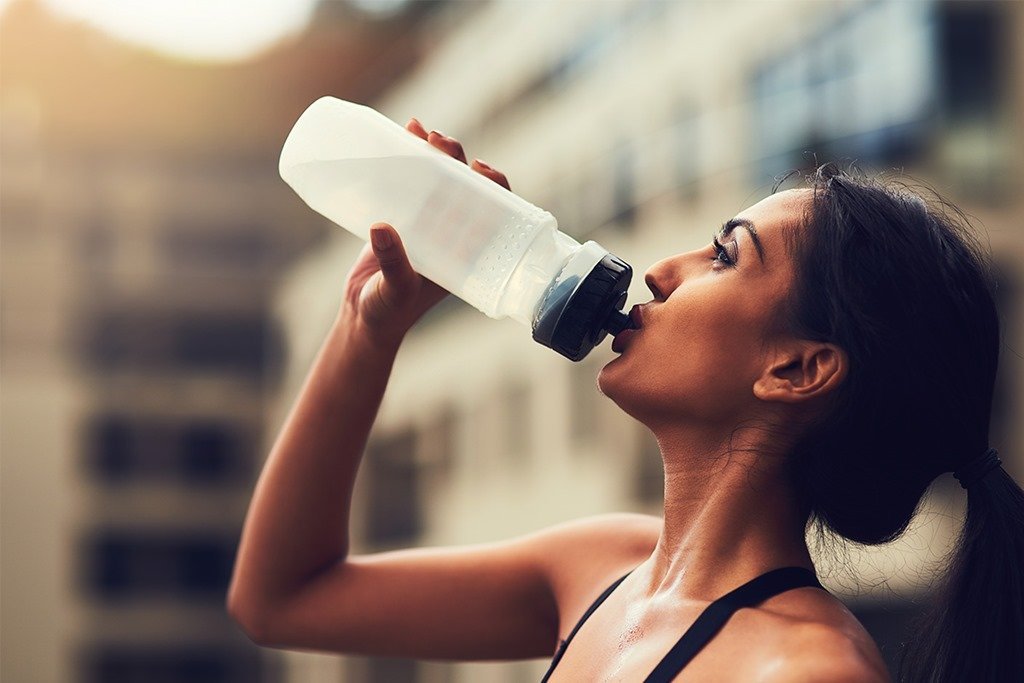
By the time you feel thirsty, you’re already dehydrated. That’s the inconvenient truth about thirst — it’s a lagging indicator, like a smoke alarm that only goes off when the kitchen is fully ablaze. Mild dehydration affects everything from your focus to your mood to your workout performance, and most people walk around slightly dehydrated without realizing it. If you’re wondering how can I tell if I am dehydrated, your body is actually giving you plenty of signals. You just need to know how to read them.
How to Tell If You Are Dehydrated
Dehydration exists on a spectrum, and the signs escalate as it worsens:
- Urine color. The simplest daily check. Pale straw or light yellow = well hydrated. Dark yellow = drink water now. Amber or brownish = significantly dehydrated. (Note: B vitamins and some medications darken urine independently — context matters.)
- Thirst and dry mouth. As mentioned, thirst means you’re already behind — but it’s still useful information. Waking up with a dry mouth every morning is often the first clue of chronic under-hydration.
- Headache and difficulty concentrating. The brain is exquisitely sensitive to fluid shifts. That 3 p.m. headache and mental fog often resolve with two glasses of water — brain fog from dehydration is one of the most common and most fixable kinds.
- Fatigue. Unexplained tiredness is a hallmark of mild dehydration. Before reaching for caffeine, try water.
- Dizziness or lightheadedness, especially when standing up. Dehydration drops blood volume and blood pressure.
- Dark circles, dry skin, chapped lips. Your skin is a hydration billboard.
- Constipation. The colon extracts water from waste; when you’re dehydrated, it extracts extra, and things slow down.
- Muscle cramps. Electrolyte and fluid imbalances trigger cramping, especially during or after exercise.
- Rapid heartbeat and rapid breathing. These signal moderate dehydration — your cardiovascular system working harder to compensate. Take this seriously.
Severe dehydration — confusion, fainting, no urination for 8+ hours, sunken eyes, rapid pulse — is a medical emergency, particularly in children and the elderly. The Mayo Clinic’s dehydration guide covers the full severity spectrum.
How Much Water Do You Actually Need?
Forget “8 glasses” as a universal law — needs vary with size, activity, climate, and diet. The National Academies suggest roughly 15.5 cups (3.7 liters) of total water daily for men and 11.5 cups (2.7 liters) for women, but about 20% of that typically comes from food. For a personalized breakdown, here’s how much water you should really drink each day. The practical approach: drink to pale-yellow urine, drink before you’re thirsty during activity, and increase intake in heat, during illness (especially fever, vomiting, or diarrhea), and with exercise.
When Water Isn’t Enough: Electrolytes
Plain water handles everyday hydration, but heavy sweating, prolonged exercise (60+ minutes), vomiting, or diarrhea deplete sodium, potassium, and other electrolytes that water alone can’t replace — and drinking huge volumes of plain water in these situations can actually dilute blood sodium dangerously. That’s when electrolyte drinks earn their place. You don’t need neon sports drinks for a 30-minute walk; coconut water, diluted juice with a pinch of salt, or an electrolyte packet for genuinely sweaty or sick days covers it. For normal life, water plus salty food plus fruits and vegetables handles electrolytes naturally.
Building the Hydration Habit
Knowledge doesn’t hydrate you; habits do. The tricks that actually work: keep water visible (a bottle on your desk outperforms willpower), drink a full glass first thing in the morning (you wake up mildly dehydrated every day), tie drinking to existing habits (a glass with each meal, one before each coffee), and eat your water too — cucumbers, watermelon, oranges, lettuce, and soups all count meaningfully. If plain water bores you, sparkling water or infusions with fruit and herbs make it palatable without the sugar load of juice or soda.
Watch the dehydrators: alcohol is the biggest one (alternate every drink with water), excess caffeine has a mild diuretic effect (your morning coffee is fine; your fifth espresso less so), and high-sodium meals increase water needs. None require elimination — just awareness and compensation. The Cleveland Clinic’s dehydration resource has more on special situations like exercise and illness.
Hydration Myths, Debunked
“Everyone needs 8 glasses.” It’s a decent starting point, not a law — needs vary enormously by size, activity, climate, and diet. “Coffee dehydrates you.” Mostly myth — coffee’s mild diuretic effect is roughly offset by its water content; your morning cup counts toward hydration. (Your fourth espresso is a different conversation.) “If you’re thirsty, it’s too late.” Overstated — thirst is a lagging indicator, not organ failure; just drink when thirsty and you’ll be fine for normal life. “More water is always better.” Actually dangerous in extremes — overhydration (hyponatremia) is real, mostly in endurance events. Drink to thirst plus a bit, aim for pale-yellow urine, and ignore the gallon-a-day influencers.
Dehydration Risks for Specific Groups
Some people dehydrate faster and suffer more. Athletes: weigh before and after training — each pound lost is ~16 oz of fluid to replace, plus electrolytes for sessions over an hour. Older adults: thirst sensation dulls with age, kidneys conserve water less efficiently — scheduled drinking (not thirst-driven) is essential, and caregivers should monitor. Children: higher surface-area-to-mass ratio means faster fluid loss; they also won’t always say they’re thirsty — offer water regularly during play and illness. Pregnant and breastfeeding women: fluid needs increase significantly — dehydration risks both mother and baby. Illness: fever, vomiting, and diarrhea can dehydrate dangerously fast — oral rehydration solutions (not just water) replace both fluid and electrolytes. Know your risk category and hydrate proactively, not reactively.
Flavor Without Sugar (Infusion Ideas)
Plain water gets boring — that’s when people drift back to soda. The fix: infusion combinations that actually taste good. Citrus + mint, strawberry + basil, cucumber + lime, apple + cinnamon stick, frozen berries (they chill and flavor simultaneously). Prep a pitcher at night; it infuses by morning. Sparkling water + a splash of 100% fruit juice gives the soda experience at a fraction of the sugar. Herbal iced teas (hibiscus, peach, mint) brewed strong and chilled need no sweetener. The goal isn’t suffering through bland — it’s finding the flavorful alternatives that make the sugary versions lose their appeal.
The Practical Takeaway
Check your urine color, notice the afternoon headache-fatigue combo, and don’t wait for thirst. Keep water visible, front-load your morning, and add electrolytes when you’re genuinely sweating or sick. Hydration is the lowest-effort, highest-return health habit in existence — your brain, skin, digestion, and energy all run on it. Drink the water.