
How Long Does It Take for Eyelashes to Grow Back? Complete Answer
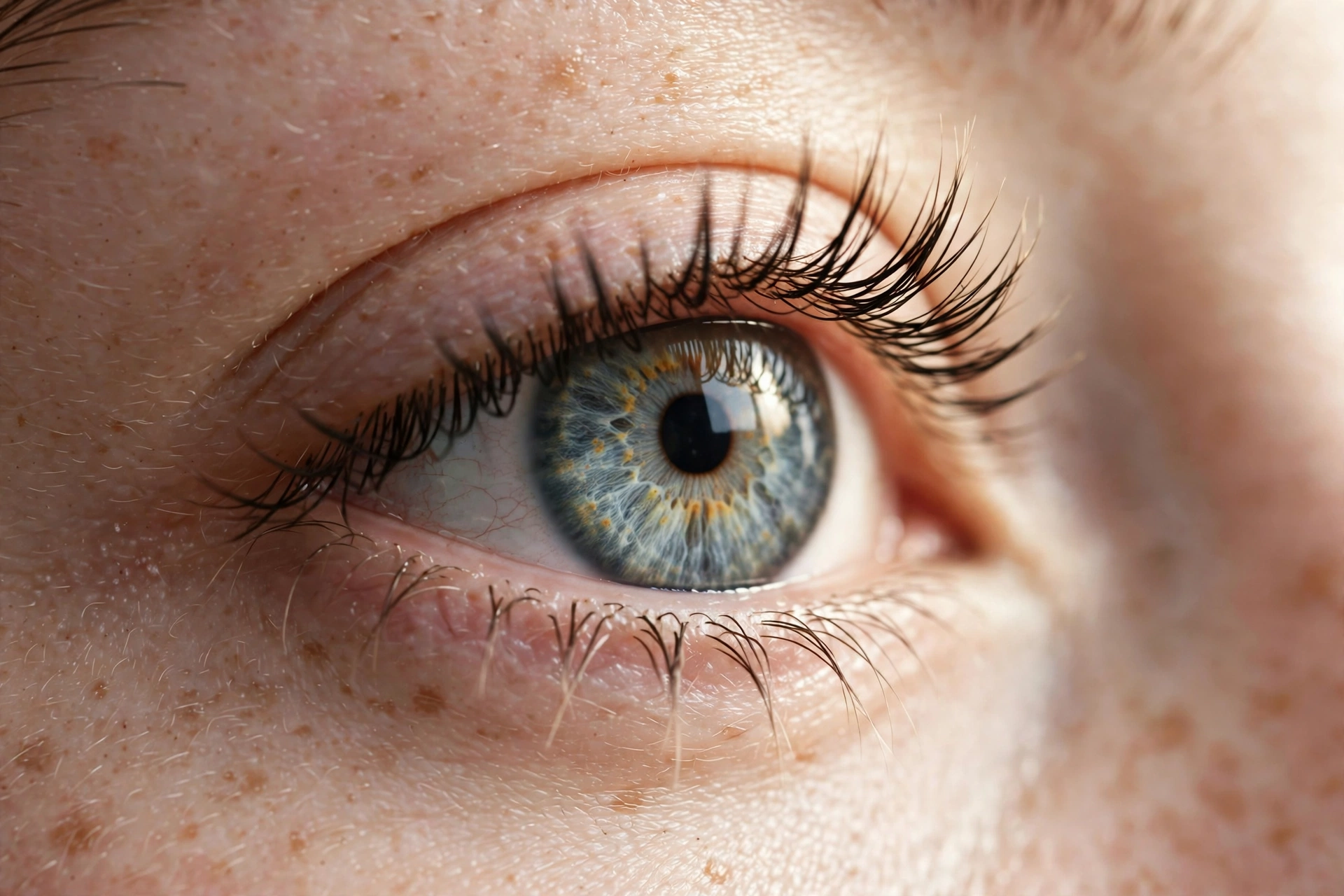
Whether you lost lashes to overzealous mascara removal, extensions, a bad reaction, or just aggressive rubbing, the waiting game is stressful. The good news: eyelashes almost always grow back. Here is how long does it take for eyelashes to grow back, what affects the timeline, and how to support healthy regrowth without falling for gimmicks.
The Quick Answer
A full eyelash growth cycle takes 4 to 8 weeks for most people, with visible regrowth starting in 1–2 weeks. If the follicle itself is undamaged, lashes return to full length in about two months. If follicles were damaged by burns, chronic pulling (trichotillomania), or certain medical treatments, regrowth may be slower, patchy, or incomplete — see a dermatologist if nothing returns after 2–3 months.
The Eyelash Growth Cycle
Like scalp hair, lashes grow in phases:
- Anagen (growth): 4–10 weeks. Only about 40% of your upper lashes are in this phase at any time — which is why regrowth seems slow.
- Catagen (transition): 2–3 weeks. The follicle shrinks and growth stops.
- Telogen (resting): around 3 months. The lash eventually sheds naturally, making room for a new one.
A lost lash restarts the cycle from anagen, so patience is built into the biology. The American Academy of Dermatology explains that disrupting lashes mid-cycle simply resets the clock — it does not prevent regrowth.
What Slows Regrowth Down
- Damaged follicles. Burns, chronic inflammation, or repeated physical trauma can scar follicles permanently.
- Continued irritation. If you keep rubbing, using the irritating product, or wearing heavy extensions, new lashes break as fast as they grow.
- Nutritional deficiencies. Severe lack of protein, iron, biotin, or zinc can thin lashes along with scalp hair.
- Medical causes. Thyroid disorders, alopecia areata, and chemotherapy all affect lash growth — these need medical treatment, not serums.
- Age. Growth slows modestly with age, just like the rest of your hair.
How to Support Healthy Regrowth
Stop the damage first
Remove the cause: switch to gentle, oil-free makeup remover; take a break from extensions and waterproof mascara; stop rubbing (a common habit when eyes are irritated — see how to get rid of swelling around the eyes for gentler approaches).
Keep the lash line clean
Gently cleanse the lash line daily to prevent blepharitis (lid inflammation), which can damage follicles. A dedicated lid cleanser or diluted baby shampoo works.
Condition, do not coat
A light lash conditioner or a drop of castor oil can keep new lashes supple and less prone to breakage. Avoid heavy oils directly in the eye.
Eat for hair health
Protein, iron-rich foods, eggs (biotin), nuts, and leafy greens support keratin production. No food grows lashes overnight, but deficiencies definitely slow things down.
Prescription options
Latisse (bimatoprost) is the only FDA-approved treatment proven to grow longer, thicker lashes. It requires a prescription and has potential side effects (eye color change in rare cases, lid darkening), so discuss it with a doctor rather than ordering mystery serums online.
What About Lash Serums?
Over-the-counter serums with peptides and conditioning agents can improve the appearance of lashes by reducing breakage — but they do not meaningfully speed the growth cycle. Be wary of serums containing prostaglandin analogues (often undisclosed); these can have the same side effects as Latisse without medical supervision. The Mayo Clinic advises consulting a dermatologist before using any product claiming to grow lashes.
Protecting Lashes Going Forward
- Remove eye makeup gently every night — never sleep in mascara.
- Replace mascara every 3 months to avoid bacterial buildup.
- If you love extensions, choose a skilled technician, keep fills reasonable, and take breaks between sets.
- Use an eyelash curler before mascara, not after, to avoid snapping lashes.
- Manage allergies so you are not rubbing irritated eyes all spring.
Counterfeit cosmetics are another hidden culprit behind lash and eye irritation — learn how to identify fake vs authentic perfume, since the same counterfeit networks flood the market with fake mascaras and liners.
Eyelash Extension Aftercare That Prevents Loss
If you wear extensions, aftercare determines whether your natural lashes survive. Avoid water, steam, and oil-based products for the first 24–48 hours while the adhesive cures. After that, cleanse lashes daily with an oil-free lash cleanser — skipping cleansing causes buildup that leads to blepharitis and premature shedding. Sleep on your back or use a silk pillowcase to reduce friction, and never pick or pull at extensions; let your technician remove them professionally.
Take regular breaks: most lash artists recommend 2–4 weeks off after every 2–3 months of continuous wear. During breaks, use a conditioning serum to help natural lashes recover their strength before the next set.
When to See a Dermatologist
Book an appointment if: lashes are not regrowing after 2–3 months, loss is sudden and patchy, the lash line is red, scaly, or itchy (possible blepharitis or allergy), or you notice scalp hair thinning at the same time (suggesting a systemic cause like thyroid disease or alopecia). A dermatologist can examine follicles under magnification and order bloodwork for thyroid function, iron, and other relevant markers — far more useful than trying random serums.
Nutrition and Supplements: What the Evidence Says
Biotin supplements are heavily marketed for lashes, but deficiency is rare in people eating normally, and megadoses can interfere with lab test results (including heart and thyroid tests). Collagen powders show modest benefits for skin elasticity in some studies but have no direct evidence for lash growth. The honest nutritional advice: eat adequate protein, include iron-rich foods if you are deficient (get tested first), and skip expensive “lash vitamins” unless a doctor identifies a real deficiency. Money spent on a dermatologist visit beats money spent on supplements.
What to Expect Week by Week
Week 1–2: little visible change; follicles are resetting. Week 3–4: fine new lashes appear — they look short and sparse, which is normal. Week 5–6: noticeable filling in; lashes look uneven as different follicles cycle at different times. Week 7–8: most people reach near-full density. If progress stalls completely after week 4, that is the signal to see a dermatologist rather than waiting longer.
Frequently Asked Questions
Do eyelashes grow back if pulled out?
Yes, in almost all cases — pulled lashes regrow within 4–8 weeks as long as the follicle is intact. Repeated pulling over years can cause permanent damage.
Do eyelashes grow back after extensions?
Usually yes. Damage happens when extensions are too heavy, left on too long, or removed improperly. A 4–6 week break lets the natural cycle recover.
Can I speed up eyelash growth?
Nothing safe dramatically shortens the biological cycle. Prescription bimatoprost extends the growth phase, which is the closest thing to “faster” — everything else is marketing.
Why are my eyelashes falling out suddenly?
Sudden shedding can signal thyroid issues, alopecia areata, blepharitis, or a reaction to a new product. If it is dramatic or one-sided, see a dermatologist rather than waiting it out.
The Bottom Line
Eyelashes take 4–8 weeks to grow back fully — biology you cannot rush, but also rarely need to worry about. Remove the cause of loss, keep the lash line clean and calm, and let the cycle do its work. If nothing returns after a couple of months, get professional advice instead of another serum.



