
The Best Affordable Watches for Men
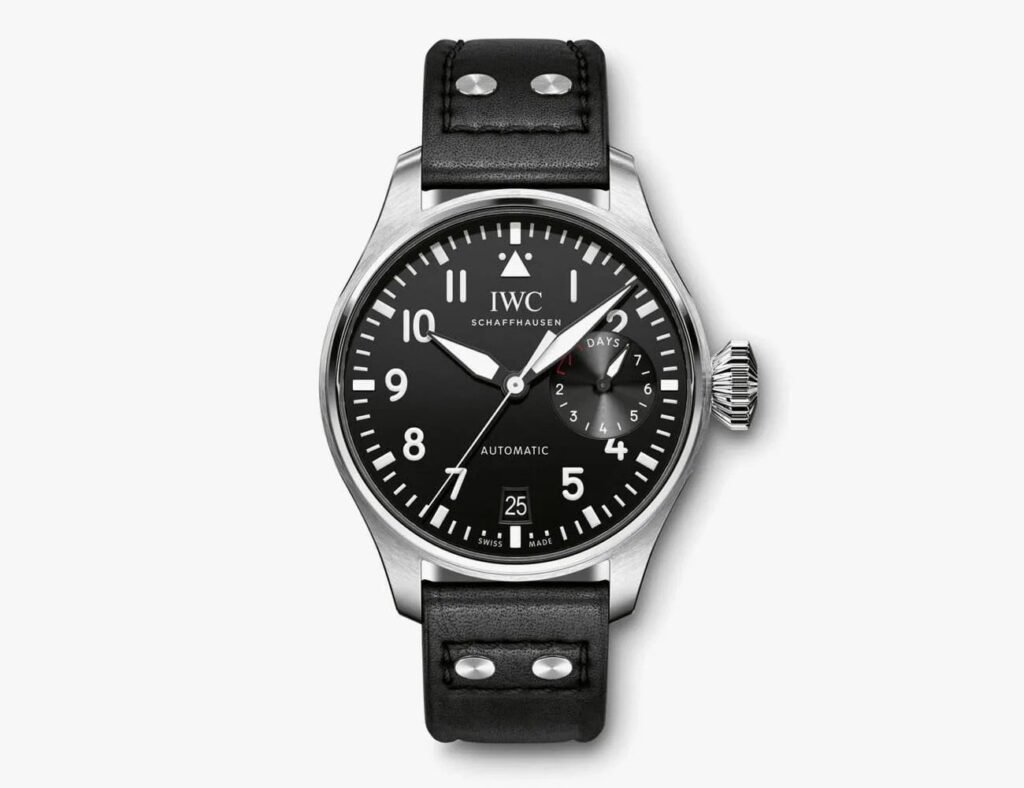
A watch is the one men’s accessory that matters. It finishes every outfit, signals attention to detail, and — unlike most fashion — it’s functional. But the watch world is designed to make you feel like anything under $5,000 is a toy. It’s not. The affordable watch market has never been better: reliable movements, sapphire crystals, and genuine design heritage at prices that don’t require a second mortgage. If you’re asking what are the best affordable watches for men, here are the standouts that watch enthusiasts actually respect.
What to Look For (the Non-Snob Guide)
- Movement: automatic (self-winding mechanical) or quartz. Affordable automatics (Seiko, Orient) offer horological romance; quartz (Timex, Casio) offers set-it-and-forget-it accuracy. Both are legitimate — don’t let snobs tell you otherwise.
- Crystal: sapphire is the gold standard (scratch-resistant); mineral crystal is fine at budget prices but scratches easier. Hardlex (Seiko’s hardened mineral) splits the difference.
- Water resistance: 100m minimum if you’ll swim with it; 50m handles daily life. “Water resistant” without a rating means basically nothing.
- Size: 38–42mm suits most wrists; the lug-to-lug distance matters more than diameter for fit. Try before you buy — wrist presence is personal.
- Versatility: your first (or only) watch should handle jeans and a suit. Clean dials, moderate size, and classic styling maximize wrist time.
The Best Affordable Watches
- Timex Weekender / Marlin ($50–$200). The gateway watch. The Weekender is the classic affordable pick; the Marlin reissue brings vintage mechanical charm with real heritage. Indiglo backlight is genuinely useful.
- Seiko 5 Sports ($200–$350). The enthusiast’s default recommendation — automatic movement, day-date, 100m water resistance, endless variants. The best value in mechanical watches, full stop.
- Orient Bambino ($150–$250). The dress-watch pick — elegant, domed crystal, in-house automatic movement. Looks triple the price on the wrist.
- Casio (various, $20–$100). The F91W is a design icon at $20; the Duro/Marlin dive watches punch absurdly above their price; G-Shock for the indestructible beater. Every collection needs a Casio.
- Citizen Eco-Drive ($150–$350). Solar-powered quartz — never needs a battery, accurate, well-built. The practical person’s watch.
- Tissot / Hamilton (entry, $400–$700). Stretching “affordable,” but these Swiss names bring genuine horological credibility at the entry-luxury floor. The Hamilton Khaki Field is a legend.
- Vintage. Don’t overlook secondhand — vintage Seikos, Timexes, and even Omegas trade at fractions of modern equivalents. Buy from reputable sellers; servicing costs apply.
Match the Watch to the Occasion
Daily wear: the versatile pick — Seiko 5, Weekender, or Eco-Drive. Something you don’t think about. Dress/formal: slim, simple, leather strap — the Orient Bambino archetype. A dress watch should slide under a cuff. For a wedding or big event: the right watch completes the outfit — match metals to your belt buckle and keep it understated. Beater/adventure: G-Shock or Casio Duro — the watch you don’t worry about. One watch can cover 90% of life; three (daily, dress, beater) cover all of it.
Care and Buying Smart
Buy from authorized dealers or reputable grey-market sellers (warranty implications differ — know before buying). Size the bracelet properly (a jeweler does it for a few dollars; a loose watch looks sloppy and wears badly). For automatics, wear regularly or use a watch winder — or just reset it; no harm done. Keep water resistance realistic — gaskets age, so get pressure-tested if you actually dive. And the golden rule of dressing well on a budget applies: one $250 watch worn daily beats five $50 watches in a drawer. GQ’s affordable watch roundup stays current on new releases.
Watch Buying Mistakes to Avoid
Buying for the brand, not the wrist: the name on the dial matters less than how it looks on your wrist — try everything on. Oversizing: a 44mm watch on a 6.5-inch wrist wears the watch, not the man — 38–40mm suits most wrists. Ignoring lug-to-lug: the distance between lugs determines fit more than diameter; long lugs overhang small wrists. Skipping the bracelet sizing: an unsized bracelet looks sloppy and wears badly — get it fitted at purchase. Buying fakes: counterfeit “luxury” watches fund crime, fall apart, and fool no one who knows watches — a real Seiko beats a fake Rolex in every way that matters. Overcomplicating the first watch: your first should be simple, versatile, and worn daily — save the complications for the collection. Buy the watch for your life, not the life in the advertisement.
Watch Maintenance Basics
A little care keeps any watch running for decades. Quartz: battery every 2–3 years (a jeweler does it for $10–20 — don’t pry it open yourself); keep it dry beyond its rating. Automatic: service every 5–7 years ($150–300 — the real cost of mechanical ownership); wear regularly or hand-wind monthly to keep oils distributed. All watches: rinse after salt water, dry before storing, keep away from magnets (they magnetize mechanical movements — the phone speaker counts), and store out of direct sun. Straps: leather lasts 1–2 years with regular wear — replacement straps ($20–50) refresh the whole watch; NATO straps are the affordable way to change personalities. The economics: a $250 automatic + $200 in decade-services = $450 for 10+ years of daily wear. That’s $45/year for something on your wrist every day. Few purchases compete.
Smartwatch vs. Traditional: The Honest Comparison
The elephant in the room: should you just get a smartwatch? Smartwatch pros: notifications, fitness tracking, endlessly customizable — genuine utility. Smartwatch cons: charges daily, obsolete in 3 years, zero horological soul, looks like everyone else’s. Traditional pros: lasts decades, needs no charging (or a battery every few years), develops character, signals taste rather than tech. Traditional cons: does one thing (tells time), no notifications, mechanical ones need service. The answer for most: both, for different wrists of life — the smartwatch for workouts and busy days, the traditional for evenings, events, and the pleasure of it. The style verdict: a traditional watch with a suit beats a glowing rectangle every time. Utility has its place; so does beauty. Own both, choose deliberately.
The Practical Takeaway
Start with one versatile piece — Seiko 5 Sports for the enthusiast, Timex Marlin for the classicist, Citizen Eco-Drive for the pragmatist. Fit it right, wear it daily, add a dress piece and a beater when the collection itch strikes. A good affordable watch doesn’t apologize for its price — on the wrist, nobody can tell, and the engineering inside earns genuine respect. Time well spent.






