
WIRE REPORT DESK: FASHION FILED 17 Oct 2026 · 10:01
The Best Affordable Watches for Men
A great watch doesn't cost thousands. These affordable men's watches deliver style, quality, and lasting value.
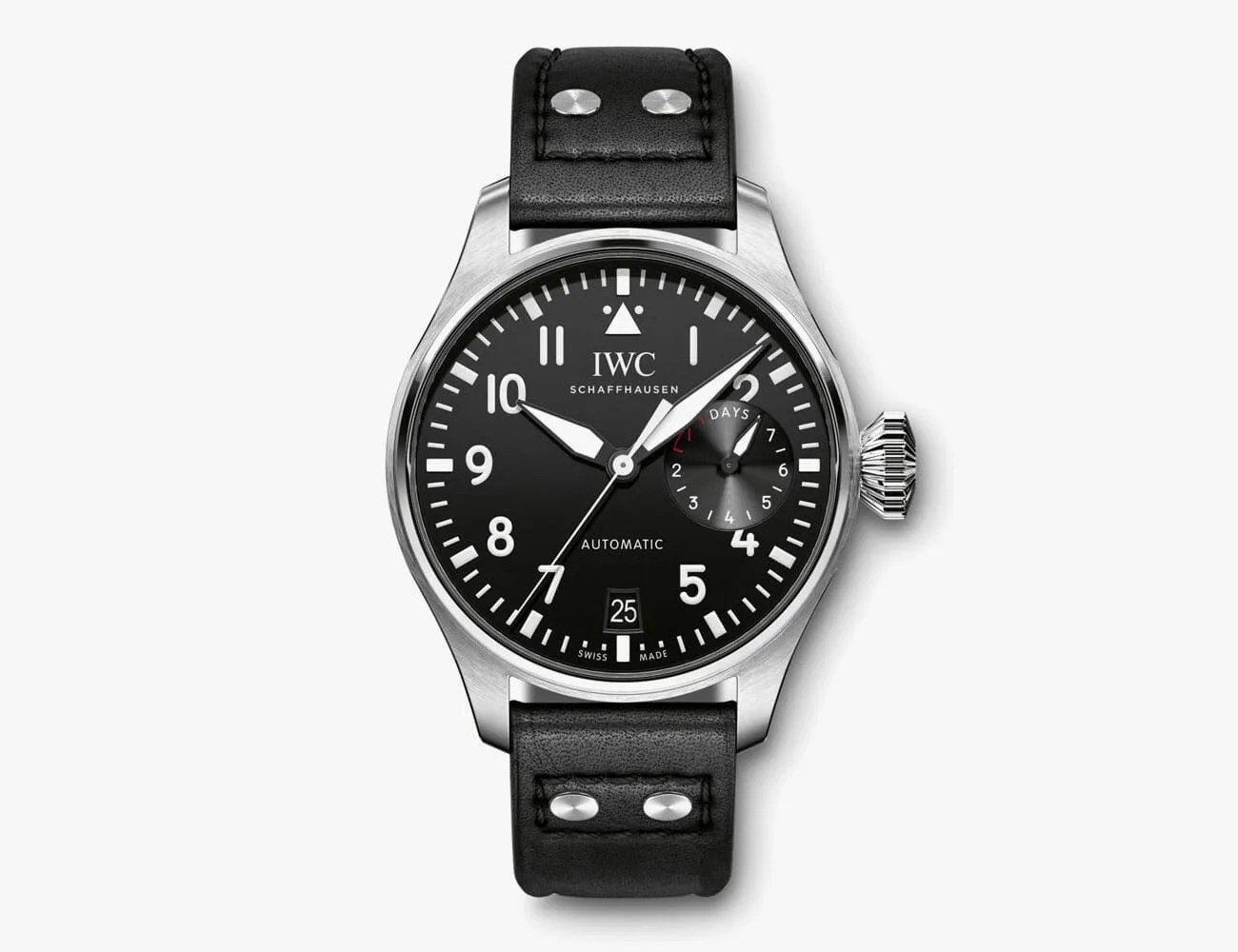
A watch is the one men’s accessory that matters. It finishes every outfit, signals attention to detail, and — unlike most fashion — it’s functional. But the watch world is designed to make you feel like anything under $5,000 is a toy. It’s not. The affordable watch market has never been better: reliable movements, sapphire crystals, and genuine design heritage at prices that don’t require a second mortgage. If you’re asking what are the best affordable watches for men, here are the standouts that watch enthusiasts actually respect.
What to Look For (the Non-Snob Guide)
- Movement: automatic (self-winding mechanical) or quartz. Affordable automatics (Seiko, Orient) offer horological romance; quartz (Timex, Casio) offers set-it-and-forget-it accuracy. Both are legitimate — don’t let snobs tell you otherwise.
- Crystal: sapphire is the gold standard (scratch-resistant); mineral crystal is fine at budget prices but scratches easier. Hardlex (Seiko’s hardened mineral) splits the difference.
- Water resistance: 100m minimum if you’ll swim with it; 50m handles daily life. “Water resistant” without a rating means basically nothing.
- Size: 38–42mm suits most wrists; the lug-to-lug distance matters more than diameter for fit. Try before you buy — wrist presence is personal.
- Versatility: your first (or only) watch should handle jeans and a suit. Clean dials, moderate size, and classic styling maximize wrist time.
The Best Affordable Watches
- Timex Weekender / Marlin ($50–$200). The gateway watch. The Weekender is the classic affordable pick; the Marlin reissue brings vintage mechanical charm with real heritage. Indiglo backlight is genuinely useful.
- Seiko 5 Sports ($200–$350). The enthusiast’s default recommendation — automatic movement, day-date, 100m water resistance, endless variants. The best value in mechanical watches, full stop.
- Orient Bambino ($150–$250). The dress-watch pick — elegant, domed crystal, in-house automatic movement. Looks triple the price on the wrist.
- Casio (various, $20–$100). The F91W is a design icon at $20; the Duro/Marlin dive watches punch absurdly above their price; G-Shock for the indestructible beater. Every collection needs a Casio.
- Citizen Eco-Drive ($150–$350). Solar-powered quartz — never needs a battery, accurate, well-built. The practical person’s watch.
- Tissot / Hamilton (entry, $400–$700). Stretching “affordable,” but these Swiss names bring genuine horological credibility at the entry-luxury floor. The Hamilton Khaki Field is a legend.
- Vintage. Don’t overlook secondhand — vintage Seikos, Timexes, and even Omegas trade at fractions of modern equivalents. Buy from reputable sellers; servicing costs apply.
Match the Watch to the Occasion
Daily wear: the versatile pick — Seiko 5, Weekender, or Eco-Drive. Something you don’t think about. Dress/formal: slim, simple, leather strap — the Orient Bambino archetype. A dress watch should slide under a cuff. For a wedding or big event: the right watch completes the outfit — match metals to your belt buckle and keep it understated. Beater/adventure: G-Shock or Casio Duro — the watch you don’t worry about. One watch can cover 90% of life; three (daily, dress, beater) cover all of it.
Care and Buying Smart
Buy from authorized dealers or reputable grey-market sellers (warranty implications differ — know before buying). Size the bracelet properly (a jeweler does it for a few dollars; a loose watch looks sloppy and wears badly). For automatics, wear regularly or use a watch winder — or just reset it; no harm done. Keep water resistance realistic — gaskets age, so get pressure-tested if you actually dive. And the golden rule of dressing well on a budget applies: one $250 watch worn daily beats five $50 watches in a drawer. GQ’s affordable watch roundup stays current on new releases.
Watch Buying Mistakes to Avoid
Buying for the brand, not the wrist: the name on the dial matters less than how it looks on your wrist — try everything on. Oversizing: a 44mm watch on a 6.5-inch wrist wears the watch, not the man — 38–40mm suits most wrists. Ignoring lug-to-lug: the distance between lugs determines fit more than diameter; long lugs overhang small wrists. Skipping the bracelet sizing: an unsized bracelet looks sloppy and wears badly — get it fitted at purchase. Buying fakes: counterfeit “luxury” watches fund crime, fall apart, and fool no one who knows watches — a real Seiko beats a fake Rolex in every way that matters. Overcomplicating the first watch: your first should be simple, versatile, and worn daily — save the complications for the collection. Buy the watch for your life, not the life in the advertisement.
Watch Maintenance Basics
A little care keeps any watch running for decades. Quartz: battery every 2–3 years (a jeweler does it for $10–20 — don’t pry it open yourself); keep it dry beyond its rating. Automatic: service every 5–7 years ($150–300 — the real cost of mechanical ownership); wear regularly or hand-wind monthly to keep oils distributed. All watches: rinse after salt water, dry before storing, keep away from magnets (they magnetize mechanical movements — the phone speaker counts), and store out of direct sun. Straps: leather lasts 1–2 years with regular wear — replacement straps ($20–50) refresh the whole watch; NATO straps are the affordable way to change personalities. The economics: a $250 automatic + $200 in decade-services = $450 for 10+ years of daily wear. That’s $45/year for something on your wrist every day. Few purchases compete.
Smartwatch vs. Traditional: The Honest Comparison
The elephant in the room: should you just get a smartwatch? Smartwatch pros: notifications, fitness tracking, endlessly customizable — genuine utility. Smartwatch cons: charges daily, obsolete in 3 years, zero horological soul, looks like everyone else’s. Traditional pros: lasts decades, needs no charging (or a battery every few years), develops character, signals taste rather than tech. Traditional cons: does one thing (tells time), no notifications, mechanical ones need service. The answer for most: both, for different wrists of life — the smartwatch for workouts and busy days, the traditional for evenings, events, and the pleasure of it. The style verdict: a traditional watch with a suit beats a glowing rectangle every time. Utility has its place; so does beauty. Own both, choose deliberately.
The Practical Takeaway
Start with one versatile piece — Seiko 5 Sports for the enthusiast, Timex Marlin for the classicist, Citizen Eco-Drive for the pragmatist. Fit it right, wear it daily, add a dress piece and a beater when the collection itch strikes. A good affordable watch doesn’t apologize for its price — on the wrist, nobody can tell, and the engineering inside earns genuine respect. Time well spent.
More from the Wire
How to Find Quality Clothes at Thrift Stores
Thrift stores hide gems for those who know where to look. Pro tips for finding quality clothes at thrift prices.

What to Wear on a Long International Flight
Comfort and style can coexist at 35,000 feet. The best outfits for long international flights, layer by layer.

How to Make Your Old Wardrobe Feel New Again
Bored with your closet? Restyling, tailoring, and small tweaks make old pieces feel brand new. No shopping required.