
What Is the Best Way to Marinate Chicken for Grilling
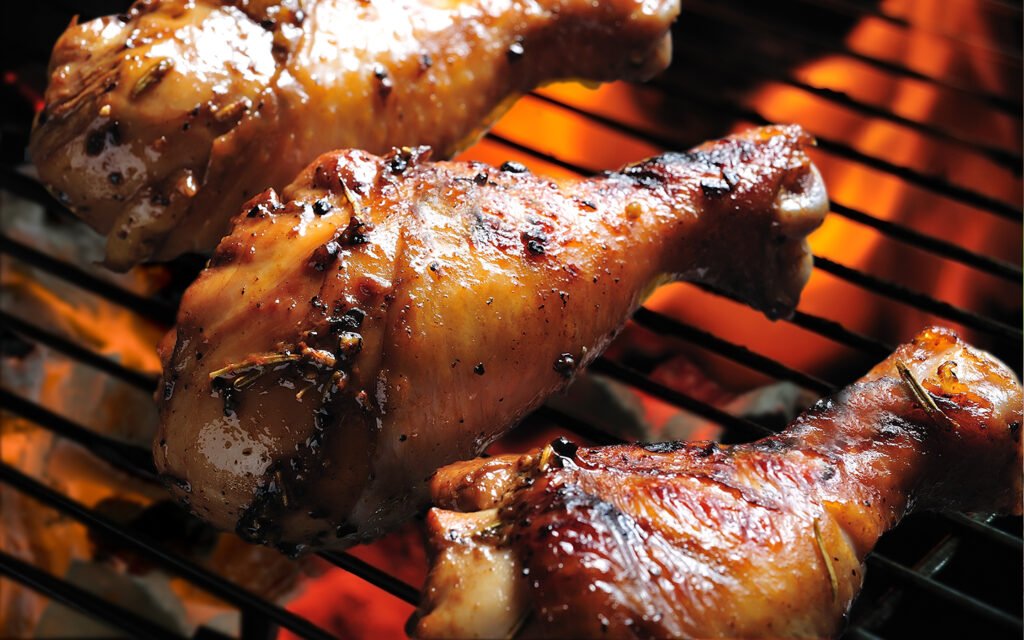
Grilled chicken is either transcendent or terrible, with very little in between — and the difference is almost always the marinade. Unmarinated chicken on a grill dries out and tastes like… chicken. Properly marinated chicken stays juicy, carries flavor all the way through, and gets those beautiful caramelized edges. I’ve spent years refining my marinade game, including learning from some spectacular failures (the 24-hour lime marinade that turned chicken to mush taught me about acid limits).
Here’s the best way to marinate chicken for grilling — the formula, the timing, and the techniques that matter.
What Is the Best Way to Marinate Chicken for Grilling?
A great marinade has four components: fat (carries flavor, promotes browning, keeps the surface moist), acid (tenderizes the surface, brightens flavor), seasoning (salt, spices, herbs, aromatics — the actual flavor), and time (lets it all penetrate). The classic ratio: 3 parts oil : 1 part acid, plus generous seasoning. Every great marinade in history is a variation on this formula.
The Universal Marinade Formula (Memorize This)
- 1/2 cup oil (olive oil for Mediterranean, neutral oil for Asian, etc.)
- 2–3 tablespoons acid (lemon juice, lime juice, vinegar — pick one)
- 2–3 cloves garlic, minced or crushed
- 1 tablespoon salt (kosher — the most important ingredient; see below)
- 1 teaspoon black pepper
- Herbs/spices to taste (1–2 tablespoons fresh herbs, or 1–2 teaspoons dried spices)
- Optional sweetness: 1–2 tablespoons honey, brown sugar, or maple syrup (promotes caramelization — but watch for burning on the grill)
This covers 1.5–2 pounds of chicken. Whisk it, taste it (it should taste slightly overseasoned — the flavor dilutes on the meat), then combine with chicken in a zip-top bag (best — maximum contact, minimal marinade, easy cleanup) or a non-reactive dish (glass, ceramic, or stainless — never aluminum, which reacts with acid).
Three Go-To Marinades
1. Lemon Herb (Mediterranean)
Olive oil, lemon juice and zest, garlic, oregano, salt, pepper. Bright, classic, foolproof. Especially good on chicken breasts — the acid keeps them juicy. Add a pinch of red pepper flakes for warmth.
2. Soy Ginger (Asian)
Soy sauce (this replaces both salt and some acid — reduce added salt), neutral oil, rice vinegar, grated ginger, garlic, honey, sesame oil (a teaspoon — it’s potent). Deep umami flavor, gorgeous caramelization. Great on thighs.
3. Yogurt Spice (Indian-Inspired / Tandoori-Style)
Plain yogurt, lemon juice, garlic, ginger, garam masala, turmeric, cumin, cayenne, salt. The yogurt’s lactic acid tenderizes gently without the mush risk of stronger acids, and the dairy promotes incredible browning. This is the best marinade for long soaks (up to 24 hours safely).
Timing: How Long Is Right?
This is where most people go wrong — more time is not always better:
- 30 minutes: minimum for any flavor impact. Fine for thin cuts (cutlets, tenders).
- 2–4 hours: the sweet spot for most chicken pieces. Good penetration without texture damage.
- 4–8 hours: ideal for thick breasts and bone-in pieces. Deep flavor.
- 8–12 hours (overnight): maximum for acidic marinades. Great for meal prep.
- Over 12 hours with strong acid (citrus, vinegar): danger zone — the acid “cooks” the exterior (like ceviche), creating a mushy, mealy texture. The chicken looks done on the outside while raw inside.
- Yogurt/dairy marinades: safe up to 24 hours — the mild lactic acid tenderizes without destroying texture.
Always marinate in the refrigerator — never at room temperature. Bacteria multiply rapidly in the danger zone (40–140°F), and marinating doesn’t prevent that.
Salt: The Real MVP
If your marinade has one non-negotiable ingredient, it’s salt — and plenty of it. Salt does what acids can’t: it penetrates deep into the meat (acids only affect the surface 1–2mm), dissolving proteins and helping the chicken retain moisture during cooking. This is why dry-brining (salting hours ahead without liquid) works so well — and why an under-salted marinade produces bland chicken no matter how flavorful the other ingredients are.
Rule of thumb: the marinade should taste noticeably salty — uncomfortably so if tasted alone. The chicken absorbs only a fraction. If you’re salt-cautious, you’re marinade-cautious, and your chicken will show it.
Grilling the Marinated Chicken
The marinade sets you up; the grill finishes the job:
- Remove chicken from marinade 15–20 minutes before grilling; pat the surface dry-ish (not bone dry — just remove drips). A dripping-wet surface steams instead of sears.
- Discard used marinade — never reuse it as sauce (it’s contaminated with raw chicken). If you want marinade as sauce, reserve a portion before adding chicken, or boil the used marinade for 5+ minutes to make it safe.
- Oil the grates, not just the chicken — folded paper towel dipped in oil, held with tongs, wiped on hot grates.
- Two-zone fire: hot direct heat for searing, cooler indirect zone for finishing thick pieces. This prevents the burnt-outside-raw-inside disaster.
- Don’t move it constantly. Let each side develop a proper sear (3–5 minutes for breasts, longer for bone-in) before flipping.
- Thermometer, always: pull at 155°F for breasts (carryover takes it to the safe 165°F) — pulling at 165 means serving at 170+, which is dry. For thighs, 175°F is actually better — the extra collagen needs higher temp to render into juiciness.
- Rest 5–10 minutes before cutting. Same rule as steak (see our perfect stovetop steak guide).
Common Mistakes
- Too much acid, too long: mushy exterior. Respect the timing chart.
- Under-salting: the number-one marinade failure. Be bold.
- Sugary marinades on high heat: honey and sugar burn fast — use medium heat for sweet marinades, or add sweetness via a glaze in the last minutes.
- Reusing marinade: food safety 101 — reserve before or boil after.
- Marinating frozen chicken: thaw first — marinade can’t penetrate ice, and the exterior over-marinates while the interior stays bland.
- Piercing the chicken with a fork “to let marinade in” — it just lets juices out during cooking. Don’t.
Practical Takeaway
Build every marinade on the 3:1 oil-to-acid ratio with aggressive salt, garlic, and your chosen flavor direction. Marinate 2–8 hours (overnight max for acidic versions; up to 24 for yogurt-based). Refrigerate always, discard used marinade, pat dry before grilling, use two-zone heat, and trust the thermometer (155°F pull for breasts, 175°F for thighs). Great grilled chicken isn’t about secret ingredients — it’s about salt, time, acid discipline, and temperature control. Master those four and every cookout gets better. For nights when grilling isn’t in the cards, our easy weeknight dinners collection has plenty of 30-minute alternatives. Serious Eats’ grilling science explains the thermodynamics behind every technique here.






