
The Best Gluten-Free Flour Alternatives for Baking
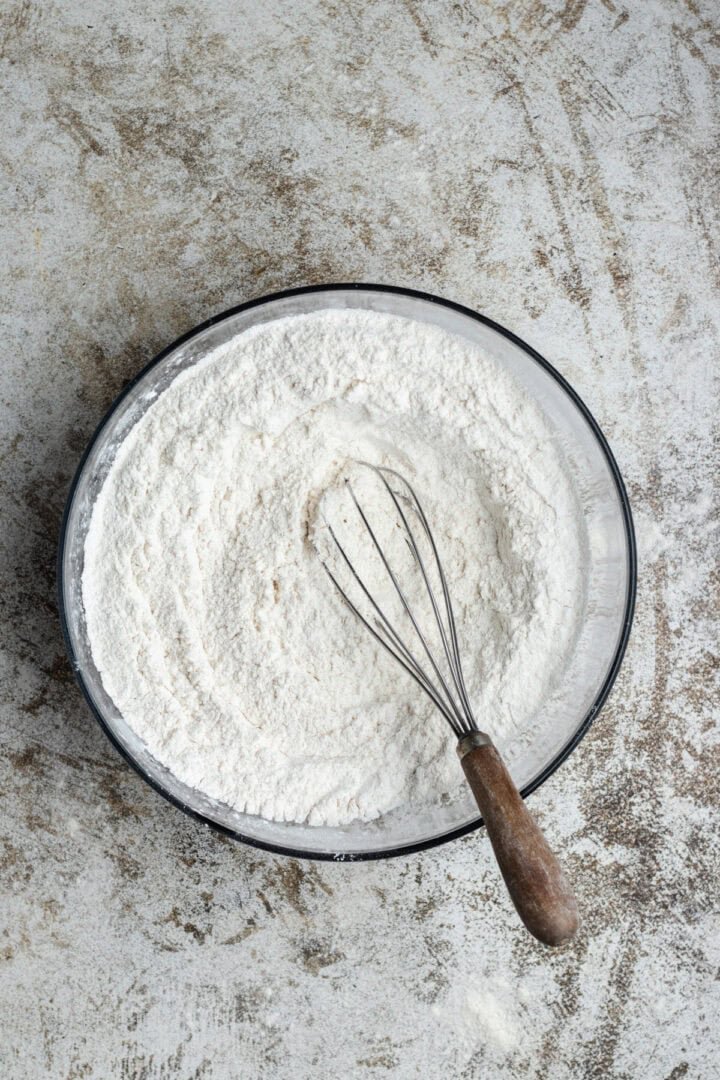
Figuring out the best gluten-free flour alternatives for baking can feel like chemistry class the first time you try it. You swap in one flour, your cookies spread into lace doilies, your bread could double as a doorstop, and you start wondering if gluten-free baking is just a cruel joke. I have been there. The truth is that no single flour replaces wheat flour on its own, but once you understand what each alternative actually does, gluten-free baking gets genuinely good.
The key insight is this: wheat flour does three jobs at once. It provides structure, it absorbs moisture, and the gluten gives dough its stretch. Gluten-free flours each do one or two of those jobs well, so the winning move is almost always a blend rather than a single swap.
What Are the Best Gluten-Free Flour Alternatives for Baking?
Here are the workhorses worth knowing, roughly in order of how often you will reach for them.
1. Almond Flour
Made from finely ground blanched almonds, almond flour brings fat, protein, and a tender crumb. It is superb in cookies, muffins, and quick breads, and it is naturally low in carbs. The downside is that it has no binding power on its own, so cakes made with 100 percent almond flour can be fragile. Pair it with a starch and you are in business.
2. Rice Flour (White and Brown)
The backbone of most commercial gluten-free blends. White rice flour is neutral and fine-textured; brown rice flour adds a slightly nutty flavor and more nutrition. On its own it can bake up a little gritty, which is why blends cut it with starches.
3. Oat Flour
One of my favorites for everyday baking. Oat flour has a mild, wheaty flavor and makes tender muffins and pancakes. Make sure it is certified gluten-free, since regular oats are often cross-contaminated. You can even make it yourself by blitzing rolled oats in a blender, which is handy when you are already set up for homemade bread without a bread machine and want to experiment.
4. Tapioca Starch and Potato Starch
These are the stretch-and-chew players. They lighten blends, add crispness to crusts, and help mimic gluten’s elasticity. Most good gluten-free recipes use at least one starch alongside a protein-rich flour.
5. Coconut Flour
Extremely absorbent and high in fiber, coconut flour needs a lot of liquid and eggs to work. Use it at about a quarter of the flour in a blend, not as a one-to-one swap, or you will get sawdust.
6. Sorghum and Buckwheat Flour
Both bring whole-grain flavor and decent protein. Buckwheat, despite the name, has no wheat in it and makes excellent pancakes. Sorghum is mild enough for sandwich-style breads.
Store-Bought Blends vs. DIY
Honestly, a quality all-purpose gluten-free blend from the store is the fastest path to good results, especially for beginners. Look for one that already contains xanthan gum, which replaces gluten’s binding job. If you bake a lot, mixing your own from rice flour, starch, and a protein flour is cheaper and lets you tune the texture. The classic ratio to remember is roughly 60 percent whole-grain or protein flour to 40 percent starch, plus about a teaspoon of xanthan gum per cup of flour for breads and half that for cookies and cakes.
Tips That Actually Make a Difference
- Weigh your flour. Gluten-free flours vary wildly in density, so cups lie to you. A ten-dollar kitchen scale fixes this.
- Let batters rest. Giving batter 20 to 30 minutes before baking lets the flours hydrate, which kills grittiness.
- Do not overmix. There is no gluten to develop, so mix just until combined.
- Add an extra egg or a spoonful of yogurt. Both add the moisture and binding that gluten used to provide.
- Cool completely before slicing. Gluten-free breads firm up as they cool; cutting early gives you gumminess.
What About Sourdough and Yeast Breads?
Yeast breads are the final boss of gluten-free baking, but they are doable. A blend with sorghum or brown rice flour, plenty of starch, psyllium husk for structure, and a long rise can produce a genuinely good loaf. If the idea of a starter appeals to you, you can even make your own sourdough starter from scratch with brown rice flour. It behaves a little differently from a wheat starter, but the tang and flavor are real.
Mistakes That Ruin Gluten-Free Bakes
Most gluten-free failures come from the same handful of errors. Using a single flour instead of a blend is the biggest one; rice flour alone will never give you the chew that a rice-plus-tapioca blend delivers. Skipping the rest period is another, since unhydrated starches bake up gritty no matter how good your recipe is. And measuring by volume instead of weight causes the most inconsistency, because a cup of almond flour can weigh almost twice as much as a cup of tapioca starch depending on how you scoop.
Another sneaky one: overbaking. Gluten-free batters often look slightly underdone when they are actually perfect, because they firm up so much as they cool. If you wait for a deep golden color on a gluten-free cake, you have probably gone too far. Trust the toothpick and the timer, not your eyes.
Storing Gluten-Free Baked Goods
Gluten-free breads and muffins stale faster than wheat versions because the starches recrystallize quickly. The fix is simple: slice and freeze whatever you will not eat within a day or two, then toast slices straight from frozen. For cookies, an airtight container with a slice of bread keeps them soft, since the bread donates its moisture. And never refrigerate gluten-free bread unless you must; the cold accelerates staling dramatically.
For recipes and ratio charts, King Arthur Baking has one of the best free gluten-free resources online, and Healthline’s nutrition section covers the nutritional differences between these flours if you are baking for health reasons as well as taste.
The practical takeaway: start with a good commercial blend, learn how one or two single flours behave, and keep xanthan gum on hand. Within a month of weekend baking you will stop thinking of gluten-free as a compromise and start thinking of it as just baking.







2 thoughts on “The Best Gluten-Free Flour Alternatives for Baking”