
How to Bake Cookies That Stay Soft for Days
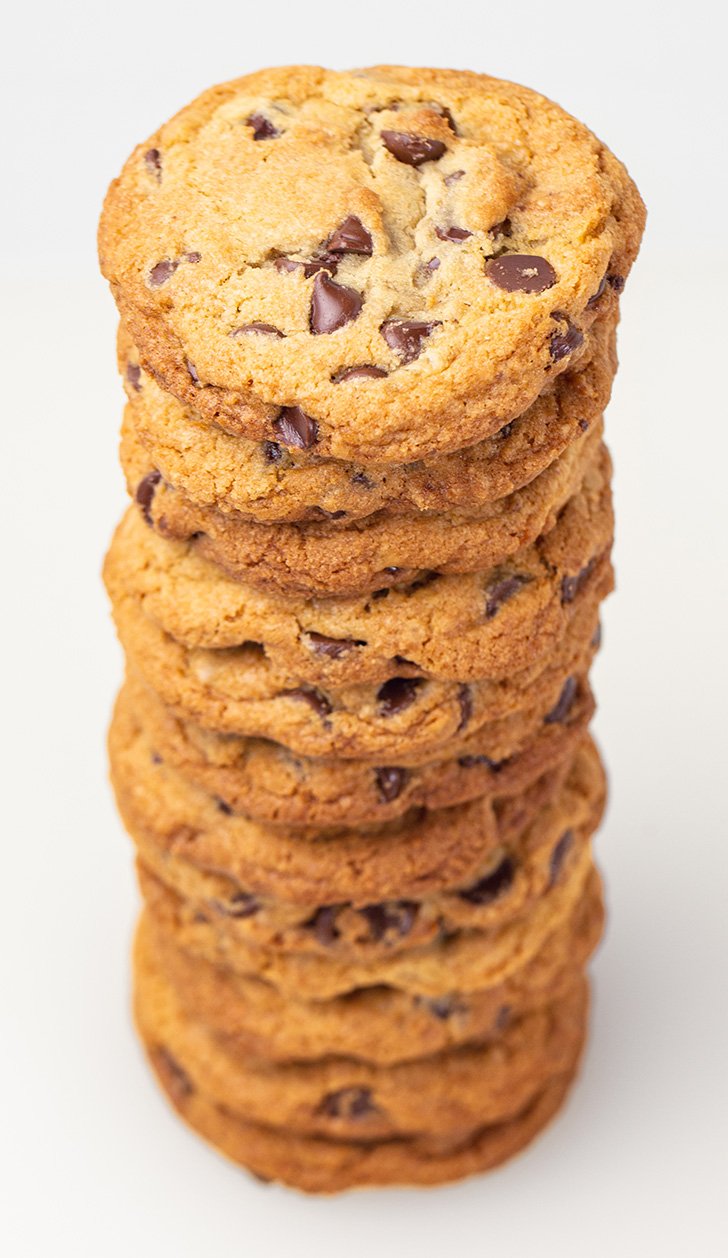
There is a special disappointment in baking a perfect batch of cookies, soft and chewy straight from the oven, only to find them hard as hockey pucks by Tuesday. Learning how to bake cookies that stay soft for days is mostly about controlling moisture: putting more of it into the dough, and keeping it from escaping after baking.
The good news is that soft-for-days cookies are not a mystery. Professional bakeries do it routinely, and the techniques are simple once you know them.
How Can I Bake Cookies That Stay Soft for Days?
Start With the Right Dough
Soft cookies start with high-moisture, high-fat doughs. Brown sugar is your best friend here: it contains molasses, which is hygroscopic, meaning it attracts and holds water. Cookies made with all brown sugar stay softer far longer than those made with white sugar. An extra egg yolk, the fat-rich part of the egg, adds tenderness without making the dough cakey. And melted butter, rather than creamed butter, produces a denser, chewier cookie that retains moisture better.
Cornstarch is the bakery secret weapon. A tablespoon or two in the dry ingredients produces an exceptionally tender, soft crumb. It is the reason some bakery-style cookies have that almost melt-in-your-mouth texture. A box of instant vanilla pudding mix does something similar, which is why pudding cookies have such a devoted following.
Bake Them Slightly Underdone
This is the most important baking tip. Pull cookies from the oven when the edges are set but the centers still look slightly underbaked and puffy. They will finish cooking on the hot pan from residual heat, a process called carryover cooking. Cookies baked until they look done in the oven are already overbaked, and overbaked cookies go hard fast. When in doubt, take them out a minute early.
Chill the Dough
Chilling cookie dough for at least 30 minutes, or up to 24 hours, does three good things: it solidifies the fat so cookies spread less and bake thicker, it hydrates the flour for better flavor, and thicker cookies stay soft longer because there is more moist interior relative to crisp exterior. It is a small wait for a big payoff.
Storage: Where Softness Lives or Dies
- Airtight is everything. Store cooled cookies in an airtight container or zip-top bag with the air pressed out. Every bit of air exposure dries them out.
- The bread slice trick. Tuck a slice of plain sandwich bread into the container. The cookies absorb moisture from the bread and stay soft; replace the bread when it goes stale. This genuinely works.
- Room temperature, not the fridge. Refrigeration accelerates staling in cookies just as it does in bread. Keep them on the counter.
- Freeze the dough, not just the cookies. Scoop dough into balls, freeze them solid on a baking sheet, then bag them. You can bake fresh cookies from frozen anytime by adding a minute or two to the bake time.
- Do not mix crisp and soft cookies. Store different textures separately, or the crisp ones will soften and the soft ones will not benefit.
Reviving Cookies That Went Hard
It happens to everyone. A ten-second blast in the microwave with a damp paper towel draped over the cookie steams it back to softness. It is a temporary fix, the cookie will firm up again as it cools, so eat it warm. For a whole batch, a few seconds in a warm oven works the same way.
Adapting the Principles
These rules apply beyond classic chocolate chip. Peanut butter cookies, oatmeal cookies, and sugar cookies all stay softer with brown sugar, extra yolks, underbaking, and airtight storage. If you are baking gluten-free, the best gluten-free flour alternatives for baking include starches that actually help with tenderness. And overripe bananas, the ones you saved by learning how to keep bananas from browning, make excellent soft banana cookies.
For tested recipes with exact ratios, King Arthur Baking is the most reliable free resource, and Taste of Home has a huge collection of reader-tested cookie recipes.
Adjusting for Your Kitchen
High altitude: above 3,500 feet, cookies spread more and dry out faster. Increase flour by a tablespoon or two per cup, reduce sugar slightly, and raise the oven temperature by 15 to 25 degrees while shortening the bake time. It takes a batch or two to dial in, but the soft-cookie principles still apply.
Convection ovens: reduce the recipe temperature by 25 degrees, since convection runs hotter and dries cookies faster. Check for doneness a minute or two early.
Humid climates: cookies absorb moisture from the air, which actually helps softness but can make crisp cookies go limp. Store with extra care in airtight containers, and consider adding a food-safe desiccant packet if your kitchen is very humid.
Gifting and Shipping Cookies
Soft cookies make the best gifts, and they ship well with a few precautions. Choose sturdy varieties: drop cookies and bar cookies travel better than delicate cutouts. Layer them in a rigid container with parchment between layers, pack snugly so they cannot shift, and include a slice of bread in the container; it keeps working during transit. Ship early in the week so packages do not sit in warehouses over the weekend, and avoid shipping during heat waves. A tin of homemade cookies that arrives still soft is a gift people remember.
Cookie Troubleshooting FAQs
Why did my cookies spread into flat discs? Usually butter that was too warm or melted when it should have been softened, or too little flour. Chilling the dough before baking fixes most spreading.
Why are my cookies cakey instead of chewy? Too much flour or too much egg white relative to yolk. Measure flour by weight, and try an extra yolk instead of a whole extra egg.
Can I use salted butter? Yes, just reduce the added salt by about a quarter teaspoon per stick. The difference is minor.
Why do my cookies taste floury? Underbaking slightly, or too much flour. Resting the dough also helps the flour hydrate fully.
Can I freeze baked cookies? Yes, for up to three months in airtight packaging. Thaw at room temperature; a few seconds in the microwave revives them beautifully.
The takeaway: brown sugar, extra yolk, a spoonful of cornstarch, underbake slightly, chill the dough, and store airtight with a slice of bread. Do all six and your cookies will still be soft when the week runs out.






