
How to Make Creamy Pasta Sauce Without Heavy Cream
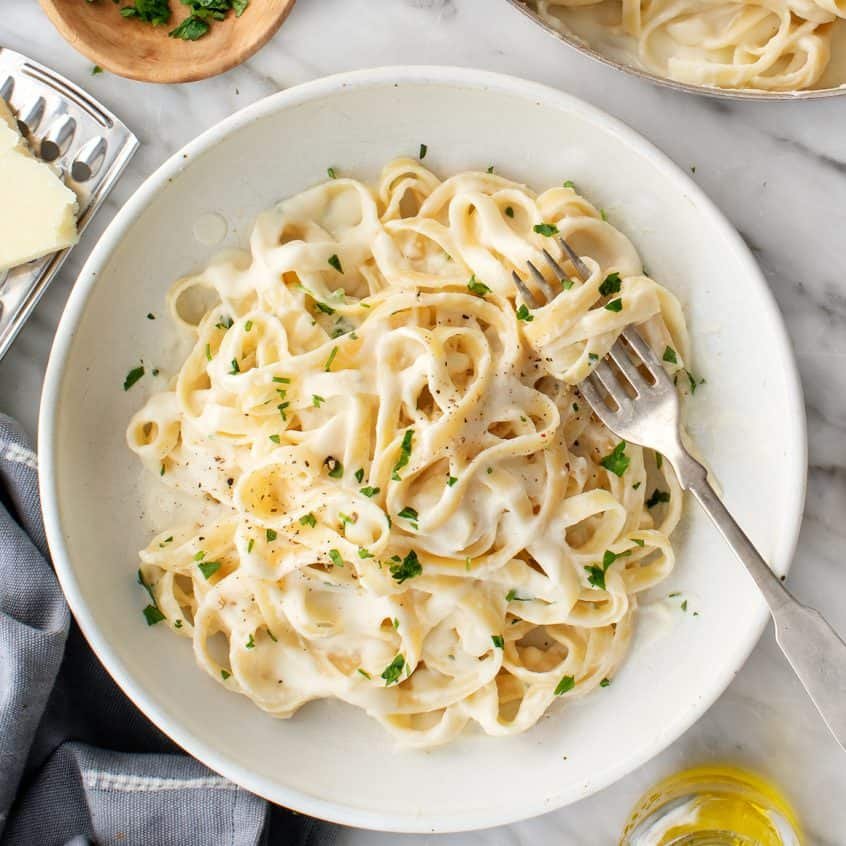
Creamy pasta sauce without heavy cream sounds like a compromise, but some of the best pasta dishes in the world never touch the stuff. Think about it: authentic carbonara is just eggs, cheese, and pasta water. Cacio e pepe is cheese and pepper. Alfredo as Italians actually make it is butter and parmesan. The richness you are chasing does not require a carton of heavy cream. It requires technique.
I stopped buying heavy cream for pasta years ago, partly for the calories and partly because I never used the whole carton before it expired. These methods give you genuinely luscious sauces with things you probably already have.
How Can I Make Creamy Pasta Sauce Without Heavy Cream?
Here are the five approaches I rotate through, depending on what is in the fridge.
1. Starchy Pasta Water (The Italian Secret)
This is the single most important technique. When pasta boils, it releases starch into the water, turning it into a lightly thickened liquid gold. Scoop out a cup before draining, then toss your drained pasta with butter or olive oil, grated parmesan, and splashes of that water. The starch emulsifies the fat and cheese into a glossy sauce that clings to every strand. This is the entire basis of cacio e pepe, and it works for almost any pasta dish. Always salt your pasta water generously; it should taste like the sea.
2. Cream Cheese
A few ounces of cream cheese melted into warm pasta with a splash of pasta water creates a tangy, rich sauce in about two minutes. It is less heavy than cream-based sauces but still deeply satisfying. Let the cream cheese soften at room temperature first so it melts smoothly instead of clumping. This is my weeknight default when I want comfort food fast.
3. Evaporated Milk
Evaporated milk has about half the fat of heavy cream but a similar richness, and it does not curdle as easily when simmered. It is shelf-stable, so you can keep cans in the pantry for months, which solves the expired-cream problem entirely. Use it one-for-one in any recipe calling for cream, and simmer gently rather than boiling.
4. Blended Cottage Cheese or Greek Yogurt
This one surprises people. Blended until completely smooth, cottage cheese becomes a high-protein creamy base that works beautifully in pasta sauce. Greek yogurt does the same with a pleasant tang. The key with yogurt is tempering: stir a spoonful of the hot sauce into the yogurt first, then mix it back in off the heat, so it does not split. Both options add serious protein, which makes them great partners for budget-friendly high-protein meals.
5. Roux-Based Sauces and Pureed Vegetables
A classic béchamel starts with butter and flour cooked into a roux, then whisked with milk. It is the base of mac and cheese for a reason. For a lighter option, blend cooked cauliflower or white beans into your sauce; both disappear into a creamy texture while adding fiber. Roasted garlic blended with olive oil and pasta water is another sleeper hit.
The Technique That Ties It All Together
Whatever base you choose, finish the pasta in the sauce. Drain your pasta a minute shy of al dente, transfer it directly into the warm sauce with a splash of pasta water, and toss over the heat for a minute or two. The pasta absorbs the sauce and releases more starch, marrying everything together. Pasta dumped into cold sauce on a plate will never taste as good as pasta finished in the pan. This single habit will improve every pasta dish you make.
Flavor Builders That Make Creamless Sauces Shine
- Real parmigiano-reggiano. The pre-grated stuff in the green can contains anti-caking agents that make sauces grainy. Grate it fresh.
- Pasta water, always. I keep saying it because people keep skipping it. Reserve a full cup every time.
- Aromatics first. Sauté garlic, shallots, or red pepper flakes in olive oil before building the sauce.
- Acid at the end. A squeeze of lemon or splash of white wine brightens rich sauces.
- Fresh herbs. Basil, parsley, or chives added off the heat add freshness that cream sauces often lack.
When Heavy Cream Actually Matters
I will be honest: for a classic French-style cream reduction or a delicate seafood pasta, real heavy cream is hard to beat. But for weeknight dinners, these swaps get you 95 percent of the way there with fewer calories, lower cost, and no wasted half-cartons. If you are cooking dairy-free entirely, the best dairy-free alternatives for cooking include several cream replacements worth knowing.
A well-stocked spice collection also helps enormously here, since bold seasoning is what makes simple creamless sauces taste intentional rather than deprived. For tested ratios, Serious Eats has excellent pasta science, and The Kitchn covers weeknight pasta methods well.
Matching Sauces to Pasta Shapes
The shape of your pasta matters more than most people realize. Creamy, clinging sauces work best with shapes that give the sauce something to hold onto: ridged penne, fusilli, rigatoni, and orecchiette all trap sauce in their twists and cups. Long strands like fettuccine and pappardelle are the classic partners for rich sauces because their broad surface area carries the creaminess in every bite. Delicate shapes like angel hair get overwhelmed by heavy sauces; pair them with lighter, oil-based versions instead. And always cook your pasta in well-salted water; unsalted pasta tastes flat no matter how good the sauce is.
Storing and Reheating Creamy Pasta
Creamless creamy sauces reheat better than true cream sauces, which tend to separate, but they still need care. Store leftover pasta in an airtight container for up to four days. To reheat, add a splash of milk or water and warm gently on the stovetop over low heat, stirring, rather than blasting it in the microwave. The added liquid loosens the sauce as the starches firm up in the fridge. If the sauce was yogurt-based, reheat even more gently to avoid any risk of splitting. And honestly, some of these sauces, especially the cream cheese and cottage cheese versions, are excellent cold the next day tossed with extra vegetables as a pasta salad.
The takeaway: start reserving your pasta water, finish your pasta in the sauce, and keep cream cheese or evaporated milk on hand. You may find you never miss the heavy cream at all.






