
The Essential Spices Every Home Cook Should Own
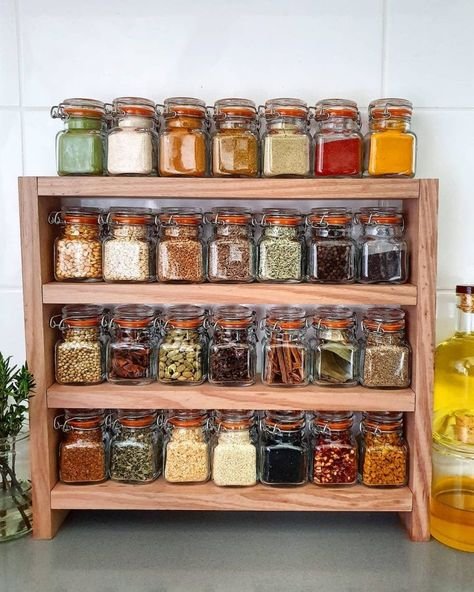
Walk down the spice aisle and you will see a wall of little jars that all seem equally important. They are not. Most home cooks use the same dozen or so spices for 95 percent of their cooking, and a small, well-chosen collection will take your food further than a sprawling rack of jars you bought in 2019 and never opened. Building the right spice collection is one of the highest-return investments in your kitchen.
I learned this the expensive way, buying exotic spices for single recipes and watching them fade into dust. Now I keep a tight core collection and buy the unusual stuff only when a specific dish demands it.
What Are the Best Spices Every Home Cook Should Have?
These fifteen cover just about every cuisine you will cook on a weeknight.
The Everyday Essentials
Kosher salt and black peppercorns. Not technically spices, but they are the foundation of everything. Kosher salt’s coarse grains make it easy to season by feel, and freshly ground pepper tastes like a different ingredient than the pre-ground dust.
Garlic powder. Different from fresh garlic, not inferior to it. It distributes evenly through rubs, breadings, and sauces where fresh garlic would burn or clump.
Onion powder. Same logic as garlic powder. It builds a savory base in everything from meatloaf to dips.
Paprika. Sweet paprika adds color and mild warmth. Smoked paprika adds a campfire depth that transforms roasted vegetables, eggs, and beans. If you buy one, make it smoked.
Cumin. Earthy and warm, essential for chili, tacos, curries, and Middle Eastern dishes. Toasting whole cumin seeds and grinding them yourself is a revelation if you ever want to level up.
Chili powder. A blend built for American chili and Tex-Mex cooking. Keep it separate from cayenne in your mind; chili powder is a seasoning blend, cayenne is pure heat.
Oregano. The backbone of Italian-American cooking, Greek dishes, and Mexican food alike. Dried oregano is actually more potent than fresh, so it earns its jar.
The Next Tier
Cinnamon. Obviously for baking, but also brilliant in chili, Moroccan tagines, and savory Middle Eastern dishes. A pinch in tomato sauce adds warmth nobody can identify.
Cayenne pepper. Pure, clean heat. A pinch wakes up anything bland. Respect it; a little goes a long way.
Turmeric. Earthy, golden, and great in rice, soups, and curries. It stains everything it touches, so handle with care.
Curry powder. A shortcut blend that delivers complex flavor to weeknight stir-fries, roasted vegetables, and chicken salad.
Italian seasoning. Yes, it is a shortcut, and shortcuts are fine. It is genuinely useful for quick weeknight cooking.
Bay leaves. They go into soups, stews, and braises whole and come out before serving, adding a subtle depth you miss when it is gone.
Red pepper flakes. For finishing pizzas, pastas, and roasted vegetables with heat and texture.
Keeping Spices Fresh Longer
Spices do not spoil, but they do fade. Ground spices lose their punch after about a year; whole spices last two to three years. The sniff test never lies: crush a little in your palm, and if the aroma is weak, it is time to replace. Store them away from heat and light, which means not in the cabinet directly above your stove, no matter how convenient that seems. And this applies to your whole pantry, which is why it is worth learning how to keep herbs and spices fresh longer with proper storage.
How Spices Transform Cheap Ingredients
Here is the real payoff: spices are what make inexpensive food taste expensive. The same chicken thighs taste completely different as cumin-chili tacos, turmeric-ginger curry, or smoked paprika roast chicken. Beans go from bland to craveable with the right seasoning. This is the secret behind great budget-friendly high-protein meals and the reason vegetarian dinners can satisfy meat lovers. When someone says healthy food is boring, what they usually mean is underseasoned food is boring.
Buy small quantities, date your jars with a marker when you open them, and replace the core spices yearly. For deep dives into individual spices, Serious Eats has excellent guides, and The Kitchn covers spice storage and organization well.
Whole vs. Ground: When It Matters
Whole spices stay potent two to three times longer than ground, and grinding them fresh releases volatile oils that dissipate within minutes of grinding. You do not need to grind everything; the practical approach is to buy whole for the spices you use most and notice most: black peppercorns, cumin seeds, coriander seeds, and cinnamon sticks. A ten-dollar blade grinder reserved for spices, or a mortar and pestle if you enjoy the ritual, handles the job. For spices you use by the pinch, like cayenne or turmeric, ground is fine; the convenience outweighs the small flavor loss.
Building Your Collection on a Budget
You do not need to buy all fifteen at once. Start with salt, pepper, garlic powder, paprika, cumin, and oregano; those six cover a huge range of cooking. Add the rest over a few months as recipes call for them. Buy from bulk bins or international grocery stores, where spices cost a fraction of supermarket jar prices and turnover is high, meaning fresher stock. Store-brand spices are generally identical to name brands; you are paying for the jar design. And resist the giant warehouse jars unless you run a restaurant; a faded giant jar of paprika is money wasted, not saved.
Spice Blends Worth Making Yourself
Once you have the singles, a few homemade blends lift weeknight cooking to another level. Taco seasoning: chili powder, cumin, paprika, garlic powder, onion powder, oregano, salt. Italian seasoning: oregano, basil, thyme, rosemary, marjoram. Curry-ish weeknight blend: turmeric, cumin, coriander, ginger, cayenne. Homemade blends taste fresher than store versions, cost less, and let you control the salt. Mix small batches, date them, and use within six months.
The takeaway: fifteen well-chosen spices, stored properly and replaced yearly, will improve your cooking more than any gadget. Start with the everyday essentials and add the rest as your cooking expands.






