
How to Tell If Your Leftovers Are Still Safe to Eat
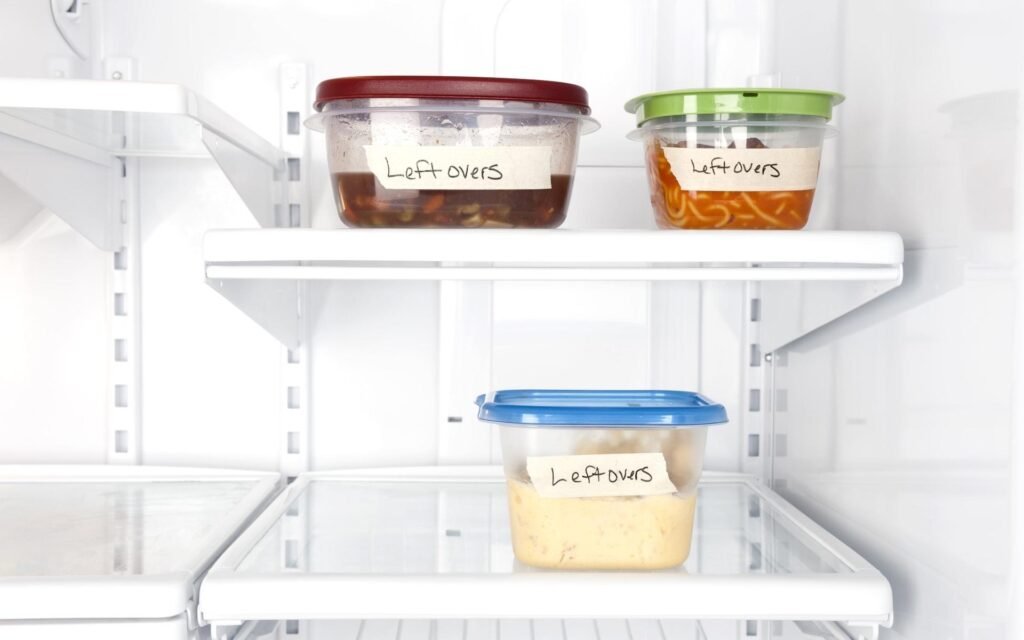
Everyone has stared into the fridge at a container of mysterious vintage and thought, “Is this still okay?” The sniff test is practically a national pastime. But figuring out how to tell if leftovers are still safe to eat is not actually about sniffing; it is about time, temperature, and storage. Your nose is a backup system, not the primary one, because the bacteria that cause foodborne illness are often completely odorless.
That is the uncomfortable truth worth internalizing: food can smell fine and still make you sick. The good news is that a few simple rules eliminate almost all the guesswork.
How Can I Tell If Leftovers Are Still Safe to Eat?
The Timelines That Matter
The USDA’s core rule is simple: refrigerate leftovers within two hours of cooking, or within one hour if the room is above 90°F, and eat them within three to four days. That timeline covers cooked meat, poultry, fish, soups, stews, and most cooked vegetables. It is conservative by design, and it is the number to trust.
A few specifics worth knowing: cooked ground meat and poultry sit at the shorter end of that window, while whole cuts and hearty soups are fine toward day four. Pizza, oddly controversial, follows the same rule as everything else: two hours out, three to four days refrigerated. Rice deserves special caution because it can harbor Bacillus cereus, a bacterium whose spores survive cooking; cool rice quickly, refrigerate it promptly, and do not keep it past three to four days.
Signs That Mean Throw It Out
- It has been more than four days. Even if it looks and smells fine, the risk climbs after day four.
- Slimy texture. A slimy film on deli meat or cooked protein is bacterial growth. Discard it.
- Off colors. Gray or green discoloration on meat, or mold anywhere, means it is done.
- Sour or off smells. Your nose is unreliable for safety, but a bad smell is still a valid veto.
- Bulging packaging. Gas production inside a sealed container signals bacterial activity.
- You cannot remember when you cooked it. This is why labeling matters. When in doubt, throw it out is a cliché because it is correct.
The Rules That Prevent the Problem
Most leftover anxiety is preventable with better storage habits. Divide large batches into shallow containers so they cool quickly; a giant pot of soup can take six hours to cool in the fridge, spending most of that time in the danger zone. Label everything with the date using masking tape and a marker. It takes five seconds and eliminates the mystery-container problem entirely. Learning the best way to store leftovers safely in the first place makes all of this second nature.
Reheating: The Second Safety Net
Reheat leftovers to 165°F throughout, and only reheat once. Each cooling and reheating cycle gives bacteria another opportunity, so portion out what you will eat and leave the rest cold. Soups and sauces should come to a rolling boil. In the microwave, stir halfway through and let food stand for the recommended time, because microwaves heat unevenly and cold spots can harbor bacteria.
Freezing is the pause button. If you know you will not eat something within three days, freeze it on day one or two rather than gambling on day five. Frozen leftovers keep their quality for two to three months. This is also the logic behind freezer meals prepped for new parents, where food safety matters even more than usual.
What About the Smell Test?
Use it as a veto, not a verdict. If something smells off, throw it out without further debate. But a normal smell proves nothing about safety, because the pathogens that cause serious foodborne illness, like Listeria and Salmonella, do not announce themselves. Time and temperature are your real instruments; your nose is just the backup alarm.
The same careful approach applies when you are thawing food to cook in the first place, so it is worth knowing how to defrost meat safely and quickly too. For the official charts, FoodSafety.gov publishes the USDA’s cold food storage guide, and Healthline has a clear summary of foodborne illness symptoms to watch for.
Which Leftovers Keep Best (and Worst)
Not all leftovers are equal. Soups, stews, chilis, and curries are the champions; their flavors meld and improve over a day or two, and they reheat perfectly. Braised meats and pulled pork reheat beautifully with a splash of broth. Cooked grains and pasta hold up well for three to four days. Roasted vegetables are good for three days but lose their crispness; revive them in a hot oven rather than the microwave. At the fragile end: fried foods go soggy and never recover, delicate fish dries out on reheating, and dressed salads wilt beyond saving, so store salad components separately and dress only what you will eat.
The Cook-Once Strategy
The most efficient kitchens do not cook seven dinners; they cook three and repurpose. A Sunday roast chicken becomes Monday tacos, Tuesday soup, and Wednesday fried rice. A big pot of grains becomes bowls, stir-fries, and soups through the week. This is the logic behind budget-friendly high-protein meal prep: cook components, not meals, and assemble differently each day. It cuts cooking time, reduces waste, and means you always have the raw materials for dinner. The only requirement is the storage discipline to keep everything safe and labeled, which by now you have.
Special Cases: When to Be Extra Careful
Certain foods deserve extra caution. Rice, as mentioned, can harbor heat-resistant spores; cool it fast and eat within three days. Deli meats, once opened, last three to five days and are riskier for pregnant people and the elderly due to listeria concerns. Takeout leftovers follow the same two-hour and four-day rules as home cooking, even though they arrived in containers that feel official. And anything served at a buffet or potluck, where it sat at room temperature for unknown hours, should be treated as already on the clock; when in doubt, take a small portion and refrigerate the rest immediately.
The takeaway: two hours to refrigerate, three to four days to eat, 165°F to reheat, label everything. Follow those four rules and you will almost never have to wonder.







1 thought on “How to Tell If Your Leftovers Are Still Safe to Eat”