How to Make Restaurant-Quality Guacamole at Home
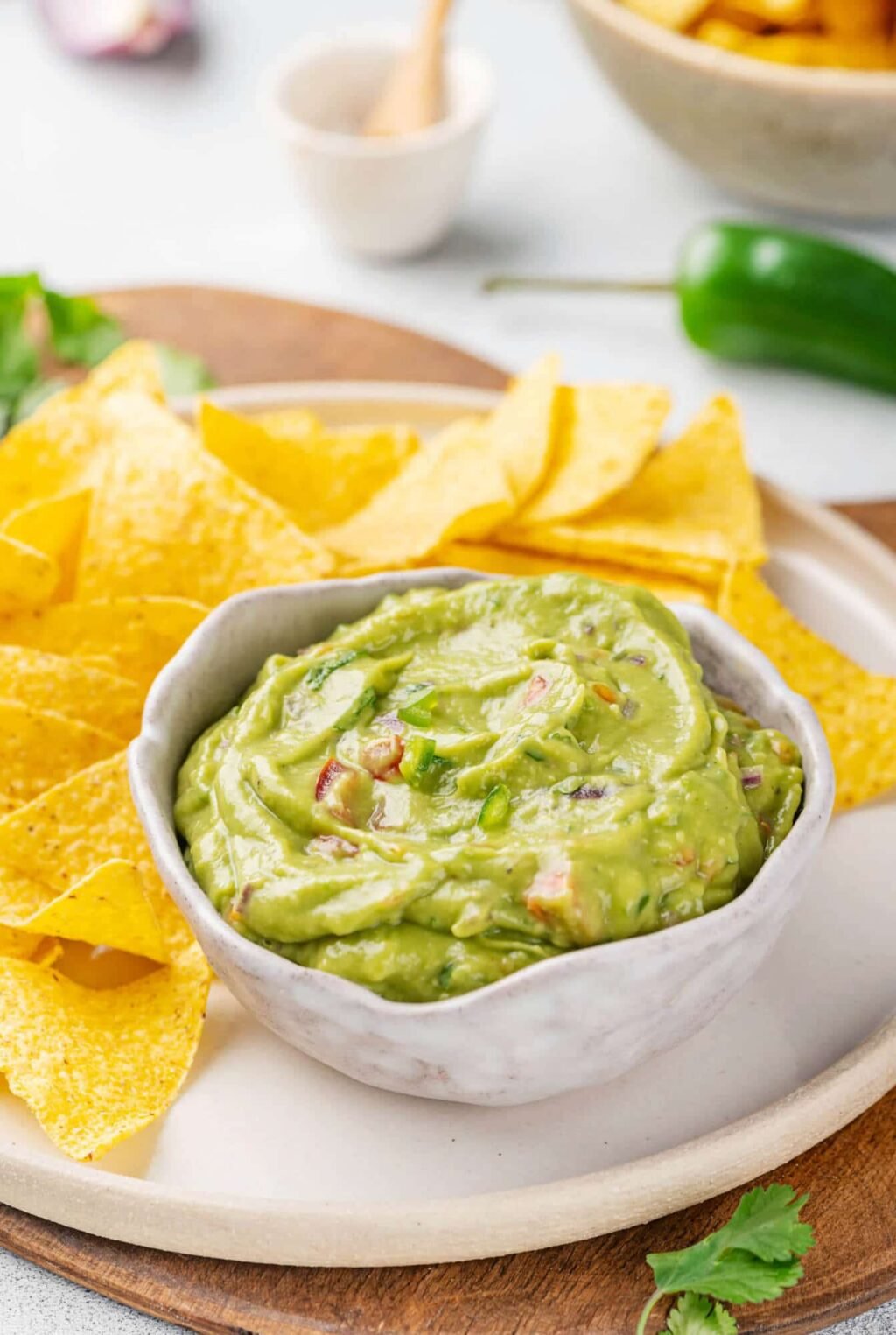
Most homemade guacamole is a letdown. It is either bland, brown, or overloaded with so much stuff it barely tastes like avocado. Restaurant guacamole, the kind made tableside that you cannot stop eating, is actually simple. The secret is restraint: perfect avocados, the right acid-to-salt balance, and nothing that does not earn its place.
I have made guacamole hundreds of times, for parties, for taco nights, for no reason at all on a Tuesday. The method below is the distilled version of all that trial and error.
How Do I Make Restaurant-Quality Guacamole at Home?
Start With the Right Avocados
Everything depends on this. A perfect avocado yields to gentle pressure at the stem end but does not feel mushy. Under the stem nub, the color should be green; brown underneath means overripe. Hass avocados are the standard for good reason: creamy texture, rich flavor, good fat content. If your avocados are rock hard, speed-ripen them in a paper bag with a banana for a day or two. If they are already brown and stringy inside, no technique will save them. Start over.
The Core Formula
For three avocados, you need: the juice of one to two limes, half a teaspoon of kosher salt to start, a quarter cup of finely diced white onion, one minced jalapeño or serrano with seeds removed for milder heat, two tablespoons of chopped cilantro, and one small diced Roma tomato if you like it. That is the classic lineup. Mash the avocados with a fork until mostly smooth with some chunks remaining; over-mashing makes baby food, under-mashing makes a chunky salad. There is a perfect middle where it is creamy but still has texture.
The Details That Make It Restaurant-Level
- Salt generously and taste constantly. Under-salted guacamole tastes flat no matter what else you do. Add salt in pinches, tasting after each, until the flavors pop.
- Lime juice is non-negotiable. It provides the acid balance and slows browning. Lemon works in a pinch but lime is the classic flavor.
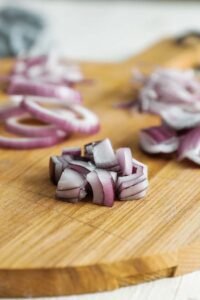
- Dice the onion finely. Big raw onion chunks overpower every bite. You want onion in the background, not the foreground. Fast onion-cutting without tears helps here.
- Mince the garlic or skip it. Garlic is divisive in guacamole. If you use it, one small clove minced to a paste, and know that peeling garlic fast makes this painless. Many purists leave it out entirely.
- Add tomato last and gently. Fold it in at the end so it does not get mashed into mush.
What Not to Put In
Sour cream, mayonnaise, and peas are all things the internet will suggest. Traditionalists consider them crimes, and honestly the texture suffers. Guacamole should taste like avocado, lime, salt, and heat. Every addition should be interrogated: does this make the avocado taste better, or does it just make it different?
Keeping Guacamole Green
Browning is oxidation, and it is inevitable eventually, but you can buy hours. Press plastic wrap directly onto the surface of the guacamole, eliminating all air contact, before refrigerating. A thin layer of lime juice or water on top works similarly; pour it off and stir before serving. The pit-in-the-bowl trick does nothing except under the pit itself. For a party, make it as close to serving time as possible; guacamole is at its peak in the first two hours.
Serving It Right
Thick, sturdy tortilla chips are the classic vehicle. Warm the chips in the oven for five minutes; warm chips with cool guacamole is a small luxury. Beyond chips, guacamole belongs on tacos, burrito bowls, and burgers, and it is an excellent dip for crispy air fryer fries if you want to be a little unconventional.
For avocado selection guides, The Kitchn has a good ripeness chart, and Serious Eats covers guacamole science in depth.
The Guacamole Bar: Party Hosting Level-Up
For parties, skip the single bowl and set up a guacamole bar. Make a big batch of the classic base, then set out small bowls of mix-ins: diced mango, pomegranate seeds, crumbled cotija, pickled jalapeños, crispy bacon bits, toasted pepitas, and hot sauce. Guests customize their own, which is interactive and fun, and it accommodates different heat tolerances and dietary preferences without you making three separate batches. Provide plenty of chips plus veggie dippers like jicama and cucumber for the health-conscious. A guacamole bar turns an appetizer into an activity, and it is far more memorable than a bowl and a bag of chips.
Buying and Storing Avocados Smartly
Avocados are expensive, so waste hurts. Buy them at varying ripeness: a couple ready now, a couple for midweek, a couple hard for the weekend. Store unripe avocados at room temperature and ripe ones in the fridge to pause ripening. To speed-ripen, the paper bag trick with a banana or apple works in a day or two. For halved avocados, leave the pit in, squeeze lemon over the exposed flesh, and wrap tightly; they keep a day or two. Mashed avocado freezes surprisingly well with a squeeze of lime; freeze in portions for future guacamole or toast. And if you consistently struggle with timing, frozen avocado chunks from the store are a legitimate shortcut for smoothies and spreads.
Guacamole FAQs
How can I tell if an avocado is ripe? Gentle pressure at the stem end should yield slightly. Check under the stem nub: green means good, brown means overripe.
Why is my guacamole bitter? Usually underripe avocados or too much raw garlic or onion. Taste each component before combining.
Can I make guacamole ahead for a party? A few hours ahead, max. Press plastic wrap directly onto the surface to block air, and add an extra squeeze of lime. It is always best fresh.
What is the best onion for guacamole? White onion, finely diced. It is crisp and clean without the sweetness of yellow or the color bleed of red.
Should guacamole be smooth or chunky? Chunky, always. Over-mashed guacamole loses the textural contrast that makes it great. Mash about three-quarters of the way and leave character.
The takeaway: perfect avocados, lime, enough salt, restrained mix-ins, chunky-not-smooth texture. Five decisions, restaurant guacamole, every time.