
How to Choose the Right Swimsuit for Your Body Type
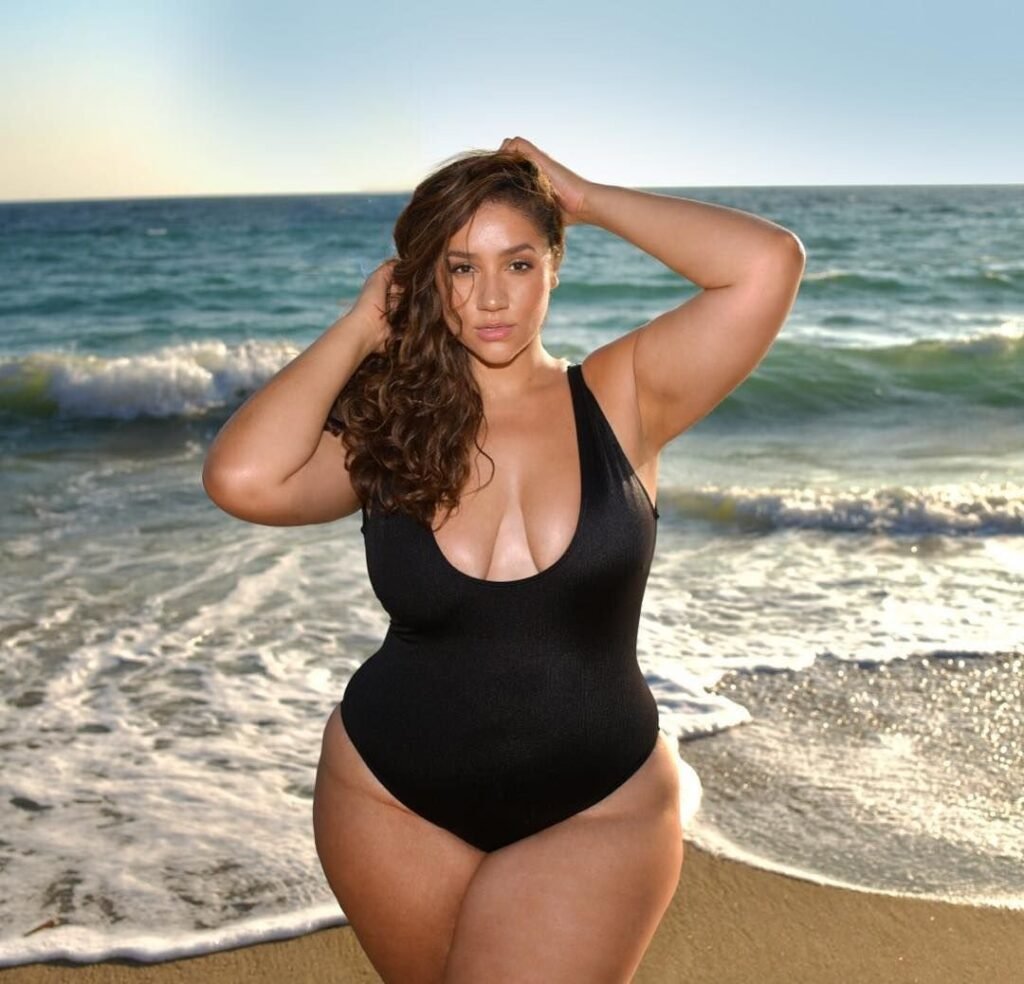
Swimsuit shopping has a reputation as the worst shopping experience in existence — harsh lighting, endless options, and the sinking feeling that nothing was designed for your body. But here’s what the swimwear industry won’t tell you: the problem usually isn’t your body, it’s the suit. The right cut, support, and fabric for your shape changes everything. If you’re asking how do I choose the right swimsuit for my body type, here’s the fit-first guide that actually works — no body-shaming, no “flattering” euphemisms, just engineering.
The Universal Rules (Every Body)
Before body-type specifics, the fundamentals that apply to everyone:
- Support first. A swimsuit’s job is support and staying put. Built-in shelf bras are fine for smaller busts; larger busts need underwire, wide straps, and real cup sizing (brands that sell by bra size, not S/M/L, are worth seeking out).
- Fabric quality matters enormously. Cheap swim fabric goes sheer when wet, bags out, and fades fast. Look for substantial fabric with good stretch recovery — hold it up to light in the store; if you can see through it dry, imagine it wet.
- Try the movement test. Bend, sit, raise your arms, walk. A swimsuit that only works standing statue-still doesn’t work. It should stay in place through actual beach activity.
- Size for your largest measurement. Tops and bottoms are often sold separately for a reason — mixed sizing is normal and smart, not a failure.
- Dark colors and quality prints hold up best to sun, chlorine, and salt water. Neons fade fastest.
By Body Type: What Works
- Larger bust: underwire tops, wide straps (never thin halter ties digging into your neck), cup-sized brands, high necklines or sporty cuts for support. Avoid flimsy triangle tops — they’re decoration, not support.
- Smaller bust: ruffles, padding (removable is fine), bold prints, and details at the bust add shape. Bandeaus work if they have gripper elastic and structure.
- Curvy / hourglass: high-waisted bottoms, wrap-style tops, belted one-pieces — styles that define the waist. The same waist-defining logic as jeans applies in swimwear.
- Athletic / straight figure: cutouts, color-blocking, ruffles, and bold prints create curves visually. One-pieces with side cutouts are made for this.
- Apple / fuller midsection: ruching (the miracle detail — gathers fabric strategically), empire waists, tankinis with flow, and one-pieces with tummy-control panels. Darker colors and vertical details streamline.
- Pear / fuller hips: draw the eye up — detailed or bright tops with solid, darker bottoms. Skirted bottoms and swim shorts offer coverage without frumpiness.
- Petite: high-cut legs elongate dramatically; avoid overwhelming prints and excessive fabric. The same elongation principles work in swimwear.
- Tall: long-torso one-pieces (regular ones ride up uncomfortably), bold prints you can carry, high-waisted styles.
One-Piece vs. Two-Piece: The Real Talk
Forget the idea that one-pieces are “modest” and bikinis are “daring” — modern swimwear destroyed those categories. One-pieces now come in every cut from sporty to show-stopping, and high-waisted two-pieces offer one-piece coverage with bathroom convenience. Choose based on support needs, activity level, and what makes you feel good — not on rules about who “should” wear what. The best swimsuit is the one you forget you’re wearing because it fits so well.
Care: Make It Last
Swimwear dies from chlorine, salt, sun, and heat — in that order. Rinse in fresh water immediately after swimming (every time, no exceptions). Hand wash cold with mild soap; never wring — press water out in a towel. Dry in shade — sun degrades elastic fast. Rotate suits so elastic recovers between wears. And never machine-dry. A $100 suit cared for properly outlasts three $30 suits abused — the same cost-per-wear math as everything else in your wardrobe. Pack them right for beach vacations (2–3 suits minimum for rotation).
Swimsuit Shopping Strategy (Make It Painless)
The experience matters as much as the suit. Shop alone or with a trusted friend — not the judgy one. Go at your best time of day (morning, fed, hydrated — never post-lunch-bloat o’clock). Bring options: grab 6–8 suits in multiple sizes and styles; the goal is comparison, not commitment. Check the lighting: fluorescent fitting rooms lie — step out if you can, or at least know the light is unflattering to everyone. Photograph, don’t just mirror: photos show fit issues mirrors hide. Give it 10 minutes: walk around the store, sit, bend — the movement test in real conditions. And buy the suit for the body you have today — not the aspirational size, not the “when I lose weight” suit. The right suit now beats the perfect suit someday, every time.
Swimwear for Different Activities
Match the suit to the water. Lap swimming: sport one-pieces or athletic two-pieces — chlorine-resistant fabric (polyester/PBT blends outlast nylon/spandex in pools), secure fit, minimal drag. Surfing/watersports: rash guards + secure bottoms — waves strip insecure suits; function over fashion. Beach lounging: this is where style leads — the fashion one-piece, the beautiful bikini, comfort prioritized. Water parks: secure, simple, dark colors — slides and rides destroy delicate suits. Hot tubs: chlorine + heat degrades elastic fast — wear the older suit, not the good one. The rotation principle: one suit per primary activity beats one suit for everything — a $60 sport suit + $80 fashion suit outlasts and outperforms a single $140 compromise. Buy for the water you’re actually in.
Swimsuit Fabric and Sustainability
Swimwear has an environmental footprint worth considering. Recycled options: brands using ECONYL (regenerated nylon from ocean plastic) or REPREVE (recycled polyester) — same performance, less virgin plastic. Longevity is sustainability: the suit worn for 5 years beats three disposable ones — quality construction is the greenest choice. Care extends life: rinsing, hand-washing, shade-drying — the care routine doubles as environmental action. End of life: textile recycling programs accept swimwear (the elastane complicates it, but programs exist) — better than landfill. The purchase principle: buy the suit you’ll wear for years, not the trendy one for the season — the most sustainable swimsuit is the one already in your drawer, maintained well. Style and sustainability aren’t opposites in swimwear — the best suits deliver both.
The Practical Takeaway
Prioritize support and fabric quality, buy separates in your actual sizes, do the movement test, and choose cuts engineered for your shape — not the trendiest cut on the rack. The right swimsuit doesn’t hide your body; it works with it. Find that suit, take care of it, and get in the water. That’s the whole point. Good Housekeeping’s swimsuit tests evaluate fit and support across body types.






