
The Best Neutral Nail Polish Colors for Everyday
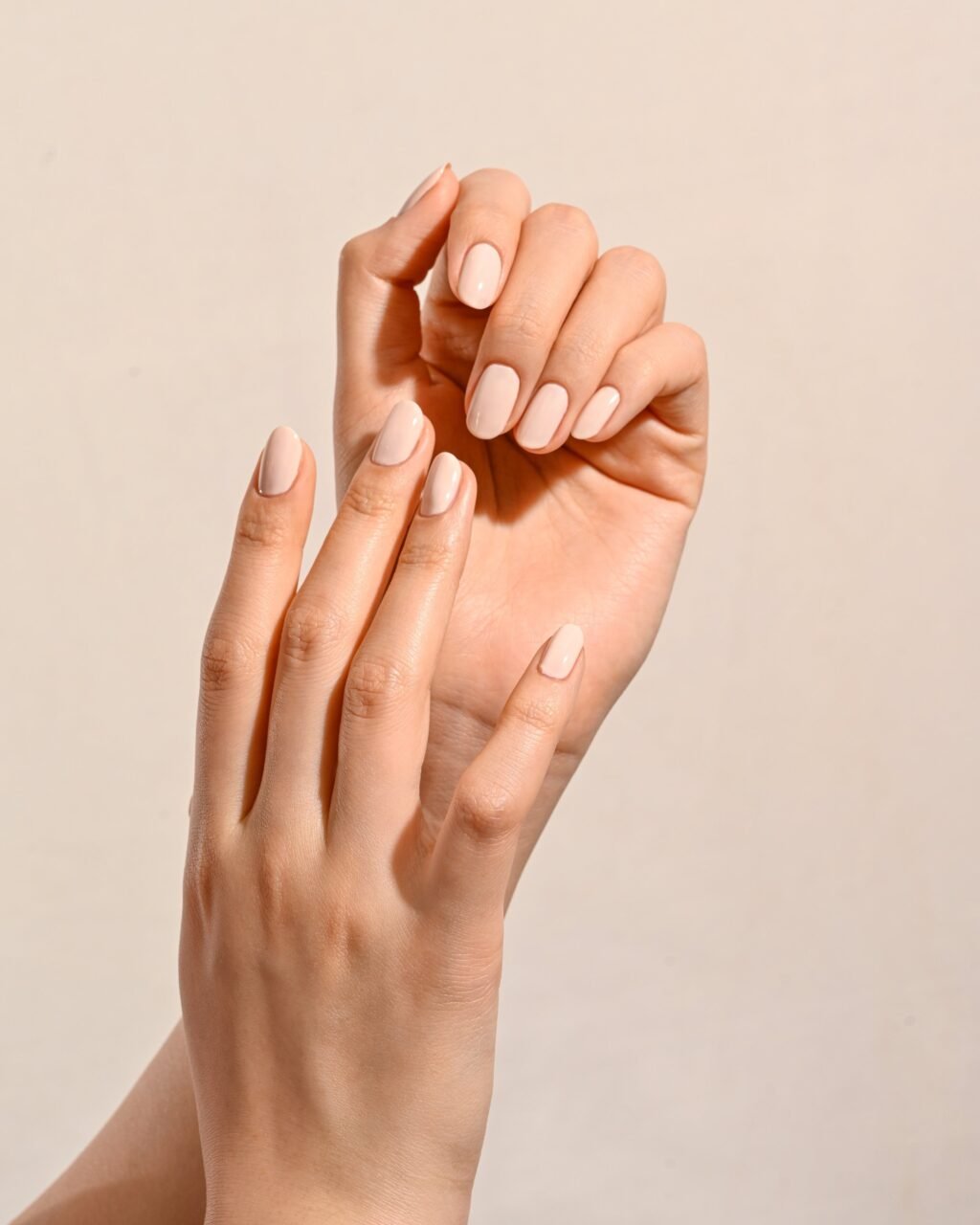
Bold nail colors are fun, but there’s a reason neutrals dominate real life: they go with everything, they look polished for weeks (chips are less visible), they work for every occasion from job interviews to weddings, and they make hands look elegant without trying. If you’re asking what are the best neutral nail polish colors for everyday wear, the answer depends on your skin tone — the “perfect nude” is personal. Here’s how to find yours plus the shades that work universally.
The Best Neutral Shades (and Who They Suit)
- Sheer pink / ballet slipper. The classic — Essie’s Ballet Slippers built an empire on this. Universally flattering, office-safe, bridal-perfect. Sheer formulas are forgiving on all skin tones.
- Your-skin-but-better nude. The holy grail: a nude that matches your skin’s undertone. Fair/cool skin: pinky-beige nudes. Fair/warm: peachy-beige. Medium: caramel and warm taupe. Deep: rich chocolate, espresso, and deep mahogany nudes. Match your undertone the same way you do with foundation.
- Greige (gray-beige). The modern neutral — sophisticated, slightly edgy, works across seasons. Especially flattering on cool and neutral undertones.
- Soft white / milky. Fresh, clean, minimal — the “quiet luxury” nail. More striking than sheer pink, still completely neutral.
- Sheer nude with shimmer. Adds dimension without color — catches light beautifully and hides imperfections.
- Classic red (the honorary neutral). Not technically neutral, but a true blue-red or classic crimson functions as one — timeless, goes with everything, always polished. Every woman should have one.
Application: The Difference Between Good and Great
Neutral polish shows every flaw — which means technique matters more than with dark colors:
- Prep is everything. Push back cuticles, file to a uniform shape (squoval suits most hands), buff lightly, and dehydrate the nail with alcohol or polish remover before base coat. Oils are the enemy of adhesion.
- Thin coats, always. Two to three thin coats beat one thick gloopy one. Thick coats bubble, dent, and peel. Let each coat dry 2 minutes.
- Base coat + top coat, non-negotiable. Base prevents staining (nudes can stain surprisingly) and improves adhesion; top coat adds the shine that makes neutrals look expensive. Reapply top coat every 2–3 days to extend wear dramatically.
- Cap the free edge. Run the brush along the tip of the nail with each coat — this seals the edge where chips start.
- Cleanup: a small brush dipped in remover cleans cuticle flooding for that salon-crisp line.
Longevity: Make It Last Two Weeks
The top-coat refresh every few days is the single biggest longevity hack. Wear gloves for dishes and cleaning (chemicals and hot water destroy manicures). Apply cuticle oil daily — hydrated cuticles don’t lift polish. Avoid using nails as tools (the scraping, prying, opening — you know). And accept reality: even perfect application lasts 7–10 days on most people; the two-week manicure usually involves gel. For everyday polish, a weekly 20-minute refresh keeps hands perpetually polished.
Nail Shapes and Lengths for Everyday
Color is half the equation — shape is the other. Squoval (square with rounded edges) suits most hands and is the most durable everyday shape — less prone to breaking than sharp squares or long stiletto points. Almond and oval elongate fingers visually and look elegant with neutrals; they’re the classic “polished hands” shape. Length: for everyday wear, short to medium beats long — more practical, less breakage, and honestly more modern. The ultra-long trend is high-maintenance by design; the everyday neutral manicure works best at a length you don’t think about. File, don’t clip for shaping (clipping causes splitting), always file in one direction, and keep the shape consistent — uniform nails look professional even with clear polish.
DIY vs. Salon: The Honest Math
DIY: $30 in supplies (base, color, top, remover, tools) covers 15+ manicures — roughly $2 per manicure. Time: 20–30 minutes weekly. Quality: excellent with practice — the techniques above close most of the gap. Salon: $30–60 per visit, 45–60 minutes, professional finish, the relaxation factor. The hybrid: DIY weekly maintenance + salon for events — the best of both. Gel considerations: lasts 2–3 weeks but requires UV curing and professional removal (peeling it off damages nails) — worth it for vacations and weddings, overkill for everyday. The verdict: for everyday neutrals, DIY wins on cost and convenience once you learn the technique. The salon is for the experience and the occasions — not the weekly maintenance. Twenty minutes on Sunday evening, and your hands look polished all week.
Seasonal Nail Colors (Beyond Neutrals)
Neutrals are the foundation; seasonal accents keep it interesting. Spring: soft pastels — the sheer pinks and lavenders that echo the season. Summer: bright corals and vibrant reds — the colors that pop against tanned skin. Fall: deep berries, burnt orange, rich browns — the cozy palette. Winter: classic red, deep plum, dark navy — the dramatic shades. The strategy: neutrals for everyday, seasonal color for weekends and events — the best of both without commitment. The transition trick: a neutral base with one accent nail in the seasonal color — subtle, modern, office-safe. Nails are the lowest-commitment way to play with color — a week of berry in October, back to nude on Monday. And matching your jewelry to the occasion follows the same seasonal logic — the details should move together. No dye jobs, no wardrobe changes, just polish.
Nail Health: The Foundation
Polish looks best on healthy nails — and the habits are simple. Moisturize cuticles daily (oil or cream — dry cuticles lift polish and look ragged). Don’t cut cuticles (push back gently — cutting invites infection). File in one direction (sawing back and forth causes splitting). Take polish breaks (a few days bare monthly lets nails recover — yellowing means they need it). Biotin and protein support nail strength from within (the evidence is modest but real). Wear gloves for cleaning and dishwashing (chemicals and water weaken nails fast). Watch for warning signs: persistent discoloration, thickening, or separation warrant a dermatologist visit — nail changes sometimes signal broader health issues. Healthy nails hold polish beautifully; damaged nails fight it. Foundation first, color second.
The Practical Takeaway
Find your undertone-matched nude plus one sheer pink — those two bottles cover 95% of life. Apply thin coats with base and top, refresh the top coat mid-week, and oil the cuticles. Neutral nails aren’t boring; they’re the polished background that lets everything else shine. Simple, timeless, done. Byrdie’s nail guides track the shades and techniques worth trying.






