When Is It Time to Say Goodbye to Your Old Pet? A Guide
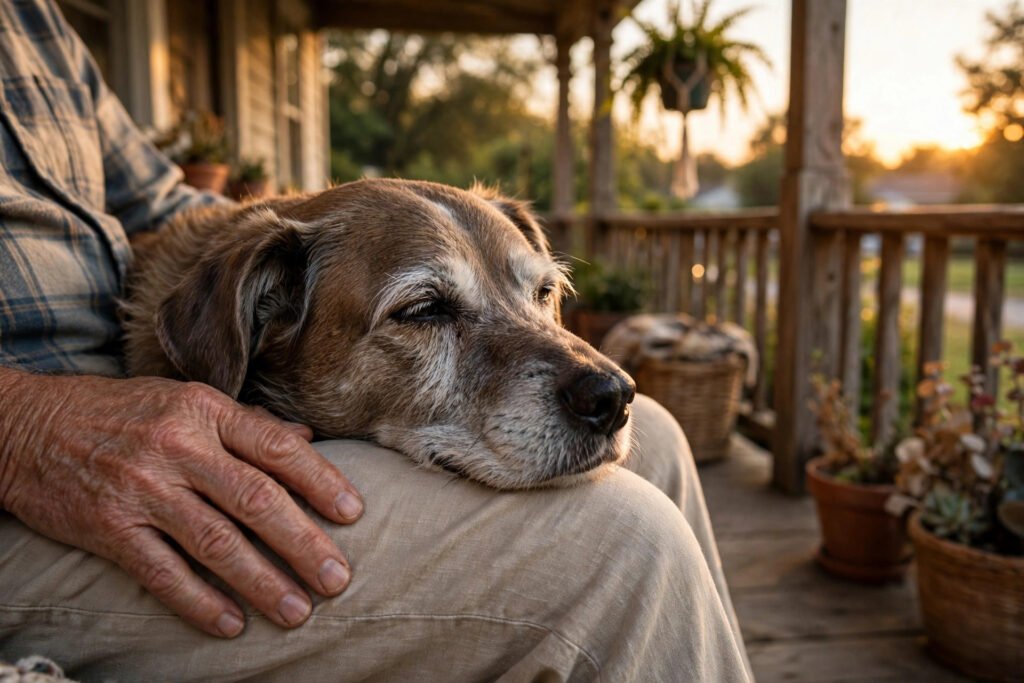
She still wags when you come home, but she can’t make it up the stairs anymore. He still purrs, but he’s half the cat he was. Every pet owner in America eventually faces the hardest decision of the relationship: when is it time to say goodbye? There’s no test that gives you a green or red light, no vet who can decide for you — and the fear of choosing too soon wars with the fear of waiting too long. This guide won’t make the decision for you, but it will give you the frameworks veterinarians use, the signs that matter most, and the honest truth about what “too late” really looks like.
The Core Question: Quality of Life, Not Quantity of Days
Veterinary hospice philosophy centers on one concept: quality of life. The goal isn’t maximizing days — it’s ensuring the days that remain are worth living from the animal’s perspective. Animals don’t fear death or dread the future; they live in the present. Your job is to assess their present honestly, which is brutally hard when love is involved. We naturally normalize gradual decline (“she’s just slowing down”) and anchor to good moments (“but she ate breakfast happily!”). The frameworks below exist to cut through that fog.
The HHHHHMM Scale: The Vet’s Assessment Tool
Veterinary oncologists developed the HHHHHMM quality-of-life scale, and it’s the most practical tool available to pet owners. Score each factor 0–10:
Hurt — Is pain well-controlled? Can the animal breathe comfortably? (0 = uncontrolled pain, 10 = no pain)
Hunger — Is the pet eating enough, willingly or with minimal help?
Hydration — Is fluid intake adequate?
Hygiene — Can the pet stay clean, or is it soiling itself and unable to move away?
Happiness — Does the pet still show joy, interest, and engagement with family?
Mobility — Can it get up, move to food/water/bathroom, without severe distress?
More good days than bad — When bad days outnumber good, the scale has tipped.
A total above 35 generally suggests acceptable quality of life; below that, it’s time for a serious conversation with your vet. The American Veterinary Medical Association provides end-of-life resources including this scale — print it, score honestly weekly, and watch the trend. A declining trend over weeks matters more than any single day’s score.
The Signs That Matter Most
Loss of the things that made them them
The dog who lived for fetch now watches the ball roll away. The cat who greeted every guest now hides constantly. When an animal permanently loses interest in its core joys — not on a bad day, but as a new baseline — that’s one of the most telling indicators.
Unmanageable pain or distress
Chronic pain that can’t be controlled with medication, labored breathing, persistent vomiting or diarrhea, seizures that are increasing — suffering that medicine can’t fix is suffering without purpose.
Loss of bodily functions and dignity
Incontinence alone isn’t a deciding factor — many pets live happily with managed incontinence. But combined with inability to move away from waste, pressure sores, or complete loss of mobility, it signals a body that’s shutting down.
Withdrawal
Animals near the end often withdraw — hiding, avoiding touch they once sought, a “faraway” look. Trust this signal; they are telling you something.
“Too Soon” vs. “Too Late”: The Honest Truth
Veterinarians consistently report that owners worry far more about acting too soon than too late — yet vets themselves say waiting too long is the more common regret they witness. The reasoning: animals don’t understand why they’re suffering, can’t consent to “a few more days” for your sake, and a peaceful, planned goodbye at home is profoundly different from a crisis euthanasia at 2 a.m. after a collapse. Choosing a day when your pet is still comfortable enough to enjoy a favorite meal and your company isn’t giving up — it’s a final act of care. As one hospice vet puts it: better a week too early than a day too late.
That said, “too soon” guilt is real and normal. If your pet still has more good days than bad, eats with enthusiasm, and seeks your company, it’s not time — and no one should rush you. The scale exists precisely to separate genuine readiness from anticipatory grief. Caring for yourself through this matters too; ways to decompress after hard days aren’t luxuries during end-of-life care — they’re what keep you present for your pet.
Helping Children Through Pet Loss
For many American kids, a pet’s death is their first encounter with mortality — and how it’s handled shapes their understanding of grief for years. Be honest and direct: use clear language (“died,” not “went to sleep” — euphemisms about sleep create bedtime anxiety, and “went away” suggests the pet might return). Answer questions simply and truthfully; it’s okay to say “I don’t know” about what happens after death. Let children participate as much as they want — drawing a picture for the memorial, choosing a burial spot, saying goodbye — but never force participation.
Expect grief to look different in kids: it comes in waves, often expressed through play, drawing, or sudden questions weeks later rather than sustained sadness. Don’t rush them past it (“we’ll get a new puppy next week” minimizes the loss), but do reassure them that the full range of feelings — sadness, anger, even relief after a long illness — is normal. Watch for guilt (“did I cause it?”) and address it directly: children are magical thinkers who often blame themselves. Books on pet loss written for children help enormously, giving them language for feelings they can’t articulate. And model healthy grieving yourself — kids who see adults grieve openly learn that grief is love, not weakness.
Planning a Peaceful Goodbye
You have options worth knowing about in advance. In-home euthanasia services now operate in most American metro areas — saying goodbye on the couch, without the stressful car ride and clinic smells, is gentler for everyone. Ask your vet about sedation-first protocols, which ensure the pet is deeply asleep before the final injection. Decide who’s present, plan aftercare (private cremation, communal cremation, home burial where legal — regulations vary by state and municipality), and consider a paw print or fur clipping as a keepsake. Many owners find it helps to plan a small ritual: a favorite meal, a last walk or sunbeam, photos. In the weeks after, embracing a simpler, slower routine gives grief the quiet space it needs. For medical context on the process, PetMD’s end-of-life care guidance explains what to expect physically in a pet’s final days. Grief afterward is real grief — pet loss support hotlines and groups exist because this loss deserves the same respect as any other.
Conclusion
You’ll know it’s time not from a single sign but from the honest accumulation of them: more bad days than good, joy fading, suffering outpacing comfort. Use the quality-of-life scale, trust the trend, talk openly with your vet, and remember that choosing a peaceful goodbye is not betrayal — it’s the last promise you made when you brought them home. The grief afterward is the price of the love, and it’s worth paying.
Frequently Asked Questions
How do I know if my pet is suffering?
Look for uncontrolled pain, labored breathing, loss of appetite, withdrawal, and loss of interest in favorite activities. The HHHHHMM quality-of-life scale helps quantify what you’re seeing.
Is it better to let a pet die naturally at home?
Not usually. Natural death can involve distress, pain, and crisis moments. A planned, sedated euthanasia — ideally at home — is generally far more peaceful for the animal.
Will my vet tell me when it’s time?
A good vet will give you an honest assessment of prognosis and suffering, but the decision is yours. Ask directly: “If this were your pet, what would you do?” — vets answer this question thoughtfully.
How do I cope with guilt after euthanasia?
Guilt is nearly universal and usually unfounded — it reflects love, not wrongdoing. Pet loss support groups and hotlines exist specifically for this; grief over a pet is real grief.
Should my other pets be present?
Many behaviorists recommend letting surviving pets see and sniff the body — it seems to help them understand the absence versus searching for a companion who vanished. It’s optional but often beneficial.