How Do I Make Money Playing Video Games Realistically
“Get paid to play video games” — the dream sold to every teenager with a controller. The reality is both less glamorous and more accessible than the fantasy: almost no one gets rich, but thousands of people earn real supplemental income from gaming-related work, and the paths are more diverse than “become the next Ninja.” This is the honest breakdown of what actually pays, what it really takes, and the math nobody shows you.
Path 1: Content Creation (Streaming and Video)
The most visible path — and the most misunderstood. The economics:
Streaming (Twitch, YouTube Live, TikTok Live)
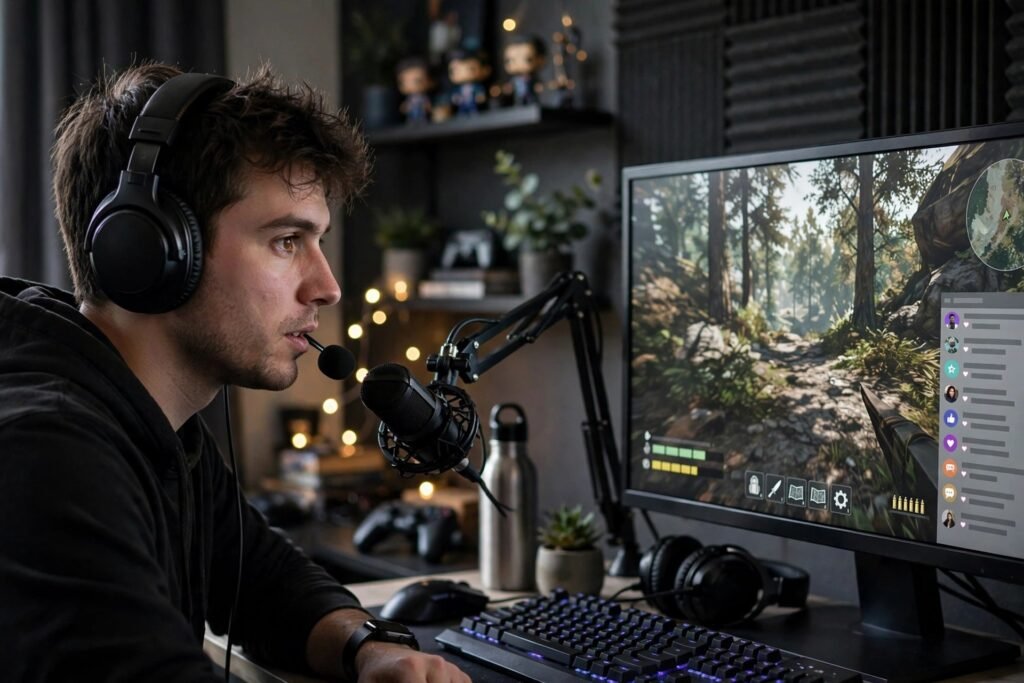
Revenue comes from subscriptions (~$2.50 per Twitch sub after the platform cut), donations/bits, ad revenue (modest — roughly $2–$5 per 1,000 views), and sponsorships (the real money, but only at scale). The honest math: a streamer averaging 50 consistent viewers might earn $200–$500/month — meaningful side income, not a living. Full-time viability typically requires 500+ concurrent viewers sustained, which puts you in roughly the top 0.5% of streamers. The Twitch ecosystem is brutally top-heavy: the top 1% captures the overwhelming majority of revenue.
What it actually takes: 2–4+ years of consistent broadcasting (3–5 days weekly minimum) before meaningful income; a differentiated angle (personality, elite skill, niche game, educational content — “guy plays popular game” is not a niche); and treating it as entertainment production, not gaming — the successful streamers are broadcasters who game, with production quality, scheduling discipline, and community management. Most successful streamers will tell you the job is 20% gaming, 80% content business.
YouTube and short-form video
Guides, highlights, essays, and analysis videos monetize through AdSense ($2–$8 per 1,000 views in gaming, varying wildly) plus sponsorships. The advantage over streaming: evergreen content earns while you sleep, and discoverability (search, recommendations) beats streaming’s live-only model. A channel with 50,000 subscribers posting consistently can generate $500–$2,000/month. Short-form (TikTok, Shorts, Reels) builds audiences fast but monetizes poorly directly — use it as a funnel to long-form or streaming.
Path 2: Competitive Gaming (Esports)
The athletic path: tournament winnings, team salaries, sponsorships. The honest picture: professional salaries exist but concentrate in top-tier leagues (franchised leagues in League of Legends, Valorant, Call of Duty pay real salaries — $50,000–$300,000+ for starters); below the top tier, “semi-pro” is mostly expenses with occasional prize money; and careers are short (peak performance years roughly 17–25, with burnout and reaction-time decline ending most careers early).
The realistic entry: dominate ranked ladders first (top 0.1% — if you are not there, the path is not open yet), compete in open tournaments and collegiate circuits, and build a personal brand simultaneously (the players who transition successfully post-career are the ones who streamed and created content throughout). Treat it like pursuing professional sports: extraordinary dedication for a small probability of outsized reward, with a backup plan mandatory.
Path 3: The Realistic Middle — Gaming-Adjacent Income
These paths pay more reliably than playing itself:
Game testing and QA
Real jobs, real paychecks ($15–$25/hour typically) — but it is repetitive bug-hunting work, not playing for fun. Valuable as industry entry: QA → design/production is a genuine career ladder. Look for positions at established studios rather than “playtest for gift cards” schemes.
Coaching and boosting (the gray zone)
Coaching (teaching players, $20–$60/hour for credible coaches in popular games) is legitimate and growing — the chess-coach model applied to esports. Account boosting (playing on others’ accounts for rank) violates every game’s terms of service and risks bans; the income is real but the practice is against the rules. Coach, don’t boost.
Writing, guides, and journalism
Freelance guides, news, and analysis for gaming publications pay $50–$300 per article. Competitive but accessible — a portfolio of published work opens doors. The barrier is writing skill, not gaming skill.
Game development adjacent
Modding (Skyrim/Fallout modders have been hired by studios; some earn via Patreon), indie development (the long shot with the highest ceiling — Stardew Valley was one person), and gaming-adjacent skills (video editing, graphic design, community management for gaming brands — all paying jobs in the industry that don’t require being good at games). These are often among the most profitable side hustles precisely because they leverage gaming passion into marketable skills.
The Business Realities Nobody Mentions
Taxes and structure: Streaming and content income is self-employment — set aside 25–30% for taxes, track expenses, and consider forming an LLC when income becomes significant (liability protection, cleaner accounting, professional credibility with sponsors). Burnout: Turning play into work changes your relationship with gaming — many creators report losing the joy that started it. Diversify your identity beyond “gamer.” Platform risk: Algorithm changes, demonetization, and platform decline (ask Mixer streamers) can erase income overnight — own your audience (email lists, Discord) rather than renting it. The opportunity cost: 2,000 hours building a streaming channel that earns $300/month is 2,000 hours not building other skills — run this math honestly against alternatives.
A Realistic Plan
If you want gaming income, the evidence-based approach: keep your day job (or studies) — build gaming income as a side project until it sustainably exceeds your living costs for 6+ months; pick ONE path and commit for a year (scattered efforts across streaming, competing, and YouTube produce nothing); invest in the business skills (video editing, marketing, consistency) more than the gaming skills; track hourly earnings honestly (if you’re making $3/hour after six months, reassess); and develop adjacent skills simultaneously (editing, design, writing) — these pay even if the gaming dream doesn’t. The Forbes creator-economy coverage provides useful benchmarks for what digital content businesses actually earn at various scales.
The Bottom Line
Making money playing video games realistically means: content creation (slow, top-heavy, but accessible — expect side income for years before viability), competitive play (athletic odds, short careers, backup plan essential), or gaming-adjacent work (QA, coaching, writing, modding — the most reliable pay). The common thread: treat it as a business from day one, measure hourly earnings honestly, keep your primary income while building, and develop transferable skills alongside. The dream is real but rare; the side income is achievable and common. Know which you’re pursuing.
Don’t Forget the Business Side
Every gaming income path is a business, and businesses have paperwork. Track all income from the first dollar — tournament winnings, ad revenue, donations, sponsorships — because tax authorities consider it taxable whether or not anyone sends you a form. Set aside 25–30% of earnings for taxes if you are in the US, and consider a separate bank account to keep gaming money clean. Be equally disciplined about expenses: equipment, software, and travel to events may be deductible if gaming is genuinely a business rather than a hobby, but the rules have thresholds worth learning. And stay alert for scams targeting aspiring pros — fake “sponsors” asking for upfront fees, tournament entry scams, and “coaching” programs with guaranteed outcomes. Legitimate opportunities pay you; they do not charge you for the privilege. A little financial hygiene turns gaming income from stressful chaos into a sustainable side business.
Frequently Asked Questions
How much do small streamers actually make?
A streamer averaging 50 concurrent viewers might earn $200-$500/month from subs, donations, and ads. Full-time viability typically requires 500+ sustained viewers — roughly the top 0.5% of streamers.
Can you make a living playing esports?
At the top tier, yes — franchised league salaries run $50,000-$300,000+. But careers are short (peak ~17-25), the odds are athletic-level long, and semi-pro play mostly costs money. Have a backup plan.
What’s the most realistic gaming side hustle?
Gaming-adjacent work: coaching ($20-$60/hour), freelance guides/writing ($50-$300/article), QA testing ($15-$25/hour), video editing for creators. These pay reliably without requiring elite play or huge audiences.
How long does it take to grow a gaming channel?
Typically 2-4 years of consistent output (3-5 days weekly) before meaningful income. Evergreen YouTube content compounds better than live streaming for discoverability.
Do I need to form an LLC for streaming income?
Once income becomes significant, yes — for liability protection, cleaner taxes, and sponsor credibility. Set aside 25-30% of self-employment income for taxes regardless.