
How to Start a Small Business From Home With No Money
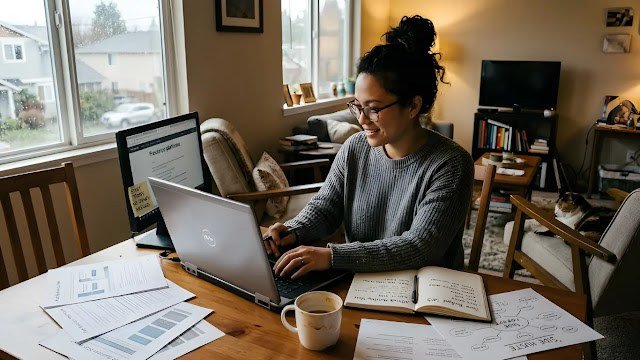
No savings, no investors, no problem? Mostly true — if you pick the right kind of business. Starting a small business from home with no money is entirely realistic, but only for business models where your skills and time are the product, not inventory or equipment.
Let’s be honest about what ‘no money’ rules out (restaurants, retail, anything needing stock) and what it leaves wide open — which turns out to be a lot.
The short answer: start a service or digital business — freelancing, consulting, virtual assistance, tutoring, or digital products. These need only a laptop, internet, and free tools. Validate with one paying customer before spending anything, then reinvest early profits into growth.
The No-Money Business Models That Actually Work
Service businesses are the classic zero-cost start: cleaning, pet sitting, tutoring, handyman work, lawn care, virtual assistance, bookkeeping, social media management. Your startup cost is literally $0 — you sell hours and expertise you already have. A friend of mine started a home organizing business with a Facebook post and had three paying clients within two weeks. No website, no business cards, just a phone and reliability.
Digital businesses are the other path: freelancing (writing, design, coding, video editing), consulting in whatever you’re good at, selling digital products (templates, printables, courses), or content creation. The tools are free — Google Docs, Canva’s free tier, a free Gmail address, social media for marketing. What both paths share: revenue comes before expenses, which is the only safe way to start with nothing.
Your First 30 Days: The Zero-Cost Launch Plan
Week one: pick one service, define exactly who it’s for and what they get. ‘I help busy parents with weekly home organization’ beats ‘I do organizing.’ Write it in one clear sentence. Week two: tell everyone — personal Facebook, Nextdoor, local community groups, and direct messages to ten people who might need it or know someone who does. Your first customers almost always come from your existing network, not advertising.
Week three: deliver for your first paying customer, even if the price is low — testimonials and referrals are worth more than margin early on. Week four: ask every happy customer for a review and a referral, and raise your prices slightly for new clients. The whole launch costs nothing but time and courage. The businesses that fail at this stage usually fail from invisibility, not from lack of funding — which is why learning to market a small business on a tight budget matters from day one.
- Pick ONE specific service for ONE specific customer
- Announce it to your personal network + local groups (free)
- Get the first paying customer before spending a dollar
- Collect testimonials and referrals from every early client
- Reinvest the first $500–$1,000 into tools and marketing
Free Tools That Replace a Startup Budget
You need less than you think. Communication: free Gmail and Google Voice (a free business phone number). Documents and invoicing: Google Docs/Sheets plus a free invoicing tool like Wave or Invoice Simple’s free tier. Scheduling: Calendly’s free plan. Website: start with a free Google Business Profile and social media pages — a real website can wait until revenue justifies the $100/year.
Payments: Venmo, Cash App, Zelle, or PayPal work fine for early clients; add Stripe or Square when volume grows. Marketing: your personal social accounts, Nextdoor, local Facebook groups, and Google Business Profile (free and shockingly effective for local services). Accounting: a simple spreadsheet until revenue hits a few thousand, then Wave (free) or QuickBooks Self-Employed.
What ‘No Money’ Doesn’t Mean
It doesn’t mean no investment — you’re investing time, which is real. Treat the first months like a job: set hours, track them, and give it the seriousness a paycheck would get. It also doesn’t mean staying free forever: the goal is to generate the first few hundred dollars and reinvest strategically — a proper website, basic insurance, an LLC filing.
And be realistic about timelines. A no-money business typically takes 3–6 months to replace even a modest income, because you’re building reputation from zero. Keep expenses near zero, keep your day job as long as you can, and measure progress in customers and revenue, not followers. One paying customer beats a thousand Instagram followers every time — which is also the foundation for eventually writing a simple business plan once you know what actually works.
How Do I Start a Small Business From Home With No Money as a Single Parent?
Single parents face the time constraint on top of the money constraint — the business has to fit around school hours and bedtimes. The models that work best are asynchronous: freelancing (write, design, or code on your schedule), digital products (create once, sell repeatedly), virtual assistance (many clients need 10–15 hours/week of flexible help), or tutoring online in the evenings.
The practical setup: dedicated work blocks during school hours and after bedtime, ruthlessly protected. Start with 10–15 hours a week — that’s enough to land the first clients and prove the model. Price for the hours you actually have: fewer available hours means you need higher hourly rates, which pushes you toward skilled services over low-margin gigs. A virtual assistant charging $30/hour for 12 hours a week out-earns a $15/hour gig worker doing 25.
Use the constraints as filters: every opportunity must pass ‘can I do this from home, on my schedule, with no upfront cost?’ Most fail that test, which is fine — the few that pass are your shortlist. And build the support systems early: a simple client onboarding process, templates for common communications, and boundaries communicated upfront (‘I respond within one business day’). Professional systems compensate for limited hours; clients care about reliability, not your schedule.
Related reading: how to market your small business on a tight budget · how to write a simple business plan for a startup
The Bottom Line
Start a service or digital business where your skills are the product — zero startup cost required. Launch in 30 days: define one clear offer, announce it to your network, get one paying customer, collect testimonials, and reinvest early revenue. Use free tools for everything initially. Keep your day job, treat time as your investment, and measure success in customers, not followers.
Sources: SBA: 10 steps to start your business · SCORE: free small business mentoring







2 thoughts on “How to Start a Small Business From Home With No Money”