
How to Start Selling on Amazon as a Beginner (2026 Guide)
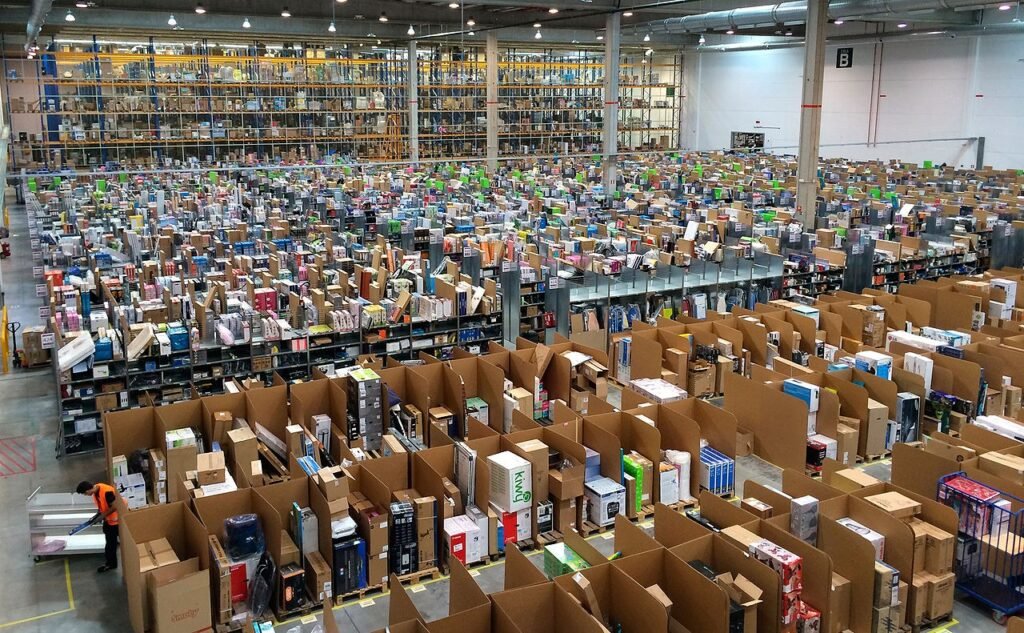
Amazon’s 300+ million customers are tempting — but the ‘passive income’ gurus skip the fees, competition, and work involved. How to start selling on Amazon as a beginner in 2026 is still a real opportunity, just not the effortless one YouTube promises.
Here’s the honest starter guide: costs, product selection, fulfillment choices, and the mistakes that kill most new sellers in 90 days.
The short answer: create a Professional seller account ($39.99/month), start with a simple proven product in a niche you understand, use FBA (Fulfillment by Amazon) for Prime eligibility and logistics, budget $2,000–$5,000 all-in for inventory and launch, and expect 3–6 months before meaningful profit.
The Real Costs (Do This Math First)
Professional seller plan: $39.99/month (skip Individual at $0.99/sale unless you’re testing with under 40 sales/month). Referral fees: 8–15% of the sale price depending on category (most products: 15%). FBA fees: fulfillment ($3–$8+ per unit by size/weight) plus monthly storage ($0.87+/cubic foot, higher in Q4). All-in, Amazon takes roughly 30–40% of your sale price — price your products with this baked in from the start.
Startup budget reality: $2,000–$5,000 for a modest private-label launch (sample orders, initial inventory of 200–500 units, photography, UPC codes, launch marketing). Retail arbitrage and wholesale need less ($500–$1,500) but scale harder. Anyone telling you $500 starts a private-label brand is selling a course, not a business.
- Professional plan: $39.99/month; referral fees 8–15%
- FBA: ~$3–$8/unit fulfillment + monthly storage fees
- Amazon takes ~30–40% of sale price all-in — price accordingly
- Realistic launch budget: $2,000–$5,000 (private label)
- Timeline: 3–6 months to meaningful profit
Picking Your First Product
The beginner-friendly criteria: price $20–$50 (impulse-friendly, affordable ads), small and light (low FBA fees and shipping), non-fragile and non-electronic (fewer returns and compliance headaches), steady year-round demand (check with free tools — Amazon’s own search suggestions and Google Trends), and improvable — existing products with 3-star reviews complaining about fixable flaws are opportunities.
Avoid: gated categories (grocery, health, some brands) for your first product, anything requiring certifications, oversized items (storage fees eat you), and trending fads (you’ll arrive as they die). Validate before ordering big: sell a small test batch via FBM or even locally first. The product matters more than any tactic — great marketing can’t save a product nobody wants.
FBA vs FBM: Which Fulfillment?
FBA (Fulfillment by Amazon): you ship inventory to Amazon’s warehouses; they handle storage, packing, shipping, Prime eligibility, and customer service. Pros: Prime badge (huge conversion boost), hands-off logistics, buy-box advantage. Cons: fees, less control, stranded inventory risks. For beginners, FBA wins — the Prime badge alone is worth it.
FBM (Fulfilled by Merchant): you store and ship yourself. Pros: no FBA fees, full control, works for oversized or slow-moving items. Cons: no Prime (usually), you handle all customer service and returns, harder to win the buy box. Many sellers use both: FBA for the core catalog, FBM for testing new products or oversized variants. Start FBA, learn the ropes, expand thoughtfully.
Mistakes That Kill New Sellers
One: violating policy unknowingly — review Amazon’s seller policies before listing; inauthentic complaints and review manipulation get accounts suspended fast, and reinstatement is brutal. Two: running out of stock — stockouts tank your ranking, and recovering takes weeks; reorder early. Three: ignoring PPC — Amazon is pay-to-play now; budget 10–15% of revenue for ads initially and learn the basics.
Four: no differentiation — selling the identical Alibaba product as 50 others is a race to the bottom; bundle, improve, or brand it. Five: treating it as passive — successful sellers work their listings weekly (photos, copy, reviews, ads). And keep your business fundamentals solid: separate finances, track everything for taxes, and understand your true margins after all fees — which circles back to pricing your products to make a profit with Amazon’s 30–40% take baked in.
How Do I Start Selling on Amazon as a Beginner With No Money for Inventory?
The main guide assumes $2,000–$5,000 for inventory — but there are legitimate low-capital paths. Retail arbitrage: buy clearance and discounted products locally (Walmart, Target, TJ Maxx clearance aisles) and resell on Amazon via FBA. Startup cost: $200–$500 and a weekend. Use the Amazon Seller app to scan barcodes in-store — it shows the Amazon price, fees, and your profit instantly. Unglamorous, real, and how many sellers started.
Online arbitrage is the digital version: sourcing deals from online retailers’ clearance sections. Wholesale comes next: once arbitrage generates a few thousand, approach small brands for wholesale accounts ($500–$1,500 opening orders) — better margins and sustainability than arbitrage. Print-on-demand via Amazon Merch on Demand requires zero inventory: you upload designs, Amazon prints and ships when ordered. The royalties are modest, but the capital requirement is literally zero.
The honest framing: these are cash-flow businesses that fund the ‘real’ private-label launch, not replacements for it. Arbitrage teaches you Amazon’s systems, fees, and ranking with minimal risk; the profits become the inventory budget. Sellers who skip this education and jump straight to $5,000 inventory orders make expensive beginner mistakes with expensive inventory. Learn cheap, then scale.
Track the metrics that predict survival from week one: unit economics per product (all-in cost versus price after Amazon’s ~35% take), inventory turnover (how fast stock sells through), review velocity (are ratings accumulating?), and advertising cost of sales (keep it under 15% while learning). Sellers who watch these numbers weekly catch problems while they’re fixable; sellers who check monthly discover them when they’re fatal. Amazon rewards active management — the algorithm favors listings with steady sales, fresh reviews, and in-stock inventory, all of which come from attention.
Related reading: how to price your products to make a profit · how to handle taxes as a self-employed person
The Bottom Line
Start with a Professional account ($39.99/mo), pick a $20–$50, small, non-fragile product with steady demand, use FBA for Prime eligibility, and budget $2,000–$5,000 all-in. Amazon takes 30–40% per sale — price for it. Avoid policy violations, stockouts, and me-too products. Expect 3–6 months to profit; this is a real business, not passive income.
Sources: Amazon Seller Central · SBA: e-commerce guidance






