
How Do I Stop Snoring Without Surgery
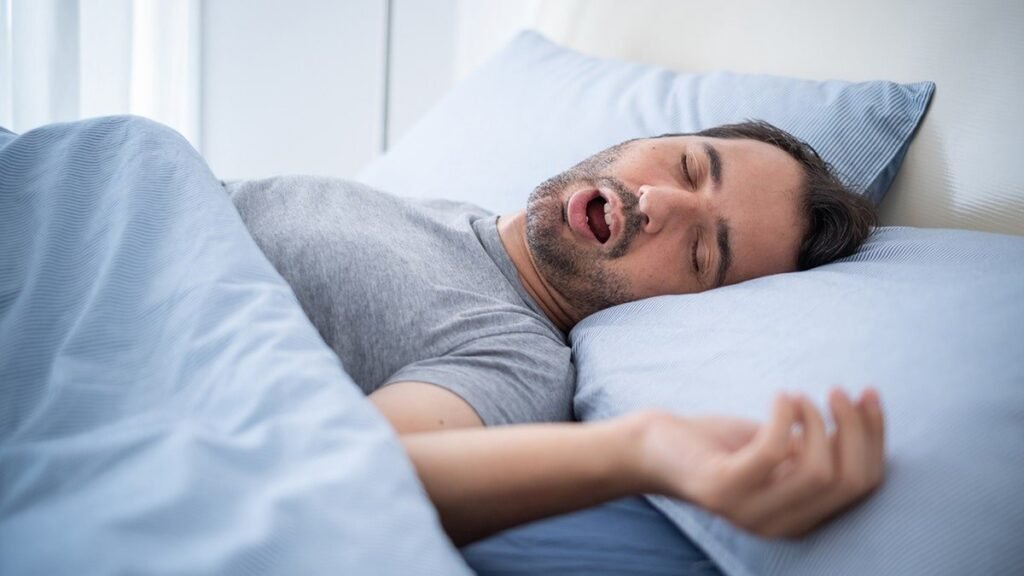
Snoring disrupts your partner’s sleep, your sleep, and possibly your health — loud habitual snoring is associated with higher risks of hypertension and cardiovascular issues. Surgery sounds drastic (and it is, with mixed results). The good news: most snoring improves significantly without going under the knife. If you are asking how do I stop snoring without surgery, here is the complete non-surgical playbook, ordered from simplest to most involved.
Understanding the cause matters: snoring is the sound of relaxed throat tissues vibrating as air squeezes past. Anything that narrows the airway or relaxes those tissues worsens it. Every fix below targets one of those mechanisms.
How Do I Stop Snoring Without Surgery? Start With Position and Lifestyle
1. Stop Sleeping on Your Back
The single most effective free intervention. Back-sleeping lets the tongue and soft palate collapse backward, narrowing the airway. Side-sleeping often reduces snoring dramatically — some people stop entirely. Tricks that work: a body pillow to maintain side position, the tennis-ball-in-a-shirt-pocket method (uncomfortable enough to prevent rolling over), or positional therapy devices. If your snoring is dramatically worse on your back, positional therapy alone may solve it.
2. Lose Excess Weight
Uncomfortable but true: excess tissue around the neck compresses the airway. Even modest weight loss — 10-15 pounds — noticeably reduces snoring for many people. The neck circumference connection is strong enough that it is one of the first things sleep doctors assess.
3. Cut Alcohol Before Bed
Alcohol relaxes throat muscles far more than natural sleep does — it is one of the most potent snoring amplifiers. Avoid alcohol for 3-4 hours before bed and many moderate snorers see immediate improvement. This single change resolves “only snores after drinking” cases entirely.
4. Treat Nasal Congestion
Mouth breathing from a stuffy nose forces air through a narrower, more vibration-prone path. Solutions: saline nasal irrigation (neti pot or squeeze bottle), nasal strips (modestly effective, worth trying), treating allergies properly, and keeping bedroom air humidified. If congestion is chronic, an ENT evaluation beats years of guessing.
5. Fix Your Sleep Schedule
Sleep deprivation increases muscle relaxation including throat muscles — overtired people snore more. Consistent, adequate sleep (see falling asleep faster without medication) reduces snoring intensity for many.
Devices That Actually Help
- Mandibular advancement devices (MADs): custom or boil-and-bite mouthguards that hold the jaw slightly forward, opening the airway — among the most effective non-surgical options; custom-fitted by a dentist works best
- Tongue-retaining devices: hold the tongue forward; less comfortable for most, but effective for some
- Nasal dilators: internal or external devices that open nasal passages — help when congestion is the driver
- Positional alarms/trainers: wearable devices that vibrate when you roll onto your back — train side-sleeping without the tennis ball
- Raised sleeping position: adjustable beds or wedge pillows (4-6 inches) reduce airway collapse; extra flat pillows that just bend the neck do not help and can worsen it
Exercises for Snoring (Yes, Really)
Oropharyngeal exercises — throat and tongue strengthening — have legitimate evidence behind them. A daily 10-minute routine: push the tongue against the roof of the mouth and slide backward (20 reps), suck the tongue upward against the palate and press the whole tongue (20 reps), force the back of the tongue down while keeping the tip touching the lower teeth, and sing vowel sounds loudly and exaggeratedly (yes, singing exercises the airway muscles). Studies show ~40% snoring reduction after 3 months of consistent practice. Didgeridoo playing has similar evidence — pick your preferred method.
What About Your Partner?
While you work on the snoring: earplugs or white noise machines for the partner, separate blankets (reduces sleep disruption generally), and — no shame in it — separate bedrooms if needed. Couples who sleep apart by necessity often report better relationships than exhausted couples sharing a bed. The goal is both people sleeping well, not martyrdom.
When Snoring Signals Something Serious
See a sleep doctor if snoring includes: pauses in breathing followed by gasping, excessive daytime sleepiness despite adequate sleep hours, morning headaches, witnessed apneas (partner notices you stop breathing), or high blood pressure that is hard to control. These suggest sleep apnea — which needs medical treatment (CPAP or alternatives), not just snoring remedies. Untreated apnea strains the heart and brain nightly; it is not “just snoring.”
The Sleep Foundation provides detailed guidance on snoring causes and treatments.
Snoring and Relationships: The Unspoken Strain
Snoring is a medical issue and a relationship issue. The emotional side deserves honest attention:
- The resentment cycle: the non-snoring partner loses sleep, becomes resentful, sleeps worse from resentment — while the snorer feels guilty and defensive. Naming this cycle openly defuses it: you are both victims of the snoring, not adversaries.
- Attack the snoring, not the snorer: “your snoring is ruining my life” triggers defensiveness; “let’s solve this together — I found some things to try” invites partnership. Frame it as a shared problem with shared solutions.
- Interim measures preserve goodwill: while working on fixes, protect the partner’s sleep now — earplugs, white noise, separate blankets, or temporary separate sleeping. These are not relationship failures; they are practical triage.
- Separate bedrooms, reframed: if it comes to this, know that many couples report improved relationships after making the switch — better sleep makes better partners. The stigma is cultural, not rational. Intimacy happens before sleep, not during it.
- When to push for medical evaluation: if your partner resists seeing a doctor about loud snoring, the health framing helps — “I’m worried about your health, not just my sleep.” Sleep apnea is a serious condition; caring about it is caring about them.
- Celebrate progress: when a remedy works — even partially — acknowledge it. Positive reinforcement sustains the effort that snoring solutions require.
Millions of couples navigate this. The ones who do it well treat snoring as a logistics problem to solve together, not a character flaw to resent. Solve the airway, protect the sleep, preserve the partnership — in that order, all three matter.
This article is for informational purposes only and is not medical advice.
Related reading: snoring fragments sleep even when you do not fully wake — which is why snorers should read why you feel tired all the time even after sleeping.
The Bottom Line
Sleep on your side, cut evening alcohol, treat congestion, maintain healthy weight, and consider a mandibular advancement device or throat exercises for persistent cases. Most snoring yields to these non-surgical approaches within weeks. But loud snoring with breathing pauses, gasping, or daytime exhaustion needs a sleep evaluation — that is potentially apnea, and it deserves proper medical care, not just remedies.
This article is for informational purposes only and is not medical advice.






