How to Buy Foreclosed Homes: The Complete Step-by-Step Guide
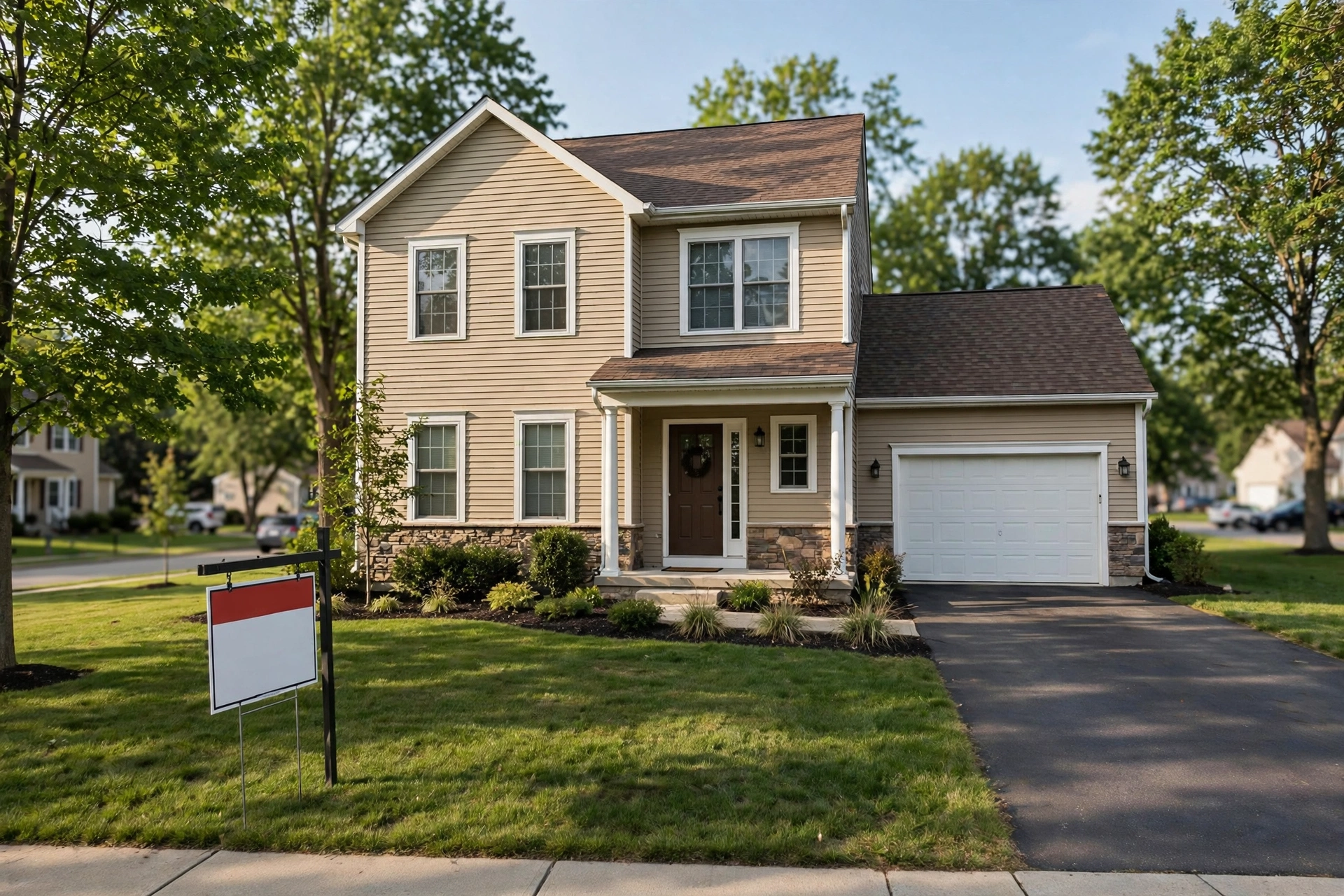
Learning how to buy foreclosed homes can unlock some of the deepest discounts in real estate — bank-owned properties often sell 10 to 30 percent below market value (start by checking how much house you can afford with our calculator). But foreclosures come with real risks: you usually cannot inspect thoroughly, competition from investors is fierce, and financing works differently than a standard purchase. This step-by-step guide covers the three stages of foreclosure, how to find listings, financing options that actually work, and the due-diligence steps that separate smart buyers from cautionary tales.
Understanding the Three Stages of Foreclosure
“Foreclosure” covers three distinct buying opportunities, each with different rules:
1. Pre-foreclosure (short sale)
The homeowner has defaulted but the bank has not seized the property yet. The owner may agree to sell for less than the mortgage balance (a short sale), with the lender’s approval. You negotiate partly with a motivated seller, inspections are usually possible, but bank approval can take months.
2. Foreclosure auction (sheriff’s sale / trustee sale)
The property is auctioned publicly, often at the county courthouse or online. This is where the steepest discounts appear — but also the greatest risk. Most auctions require cash or cashier’s checks, offer no inspection contingency, and the winning bidder may inherit liens or even occupants who need legal eviction.
3. REO (real estate owned / bank-owned)
If no one bids enough at auction, the lender takes ownership and lists it like a normal property through an agent. REOs are the most buyer-friendly foreclosure type: you can inspect, use a mortgage, and negotiate — though banks sell as-is and rarely make repairs. For most first-time foreclosure buyers, REO is the right starting point.
Step 1: Get Your Financing Sorted First
Financing determines which foreclosure stages you can even play in:
- Auctions: almost always cash or hard-money loans. Conventional mortgages are too slow and conditional.
- REOs and short sales: conventional, FHA, and VA loans all work. FHA 203(k) loans even bundle renovation costs into the mortgage — ideal for fixer foreclosures.
- Pre-approval: get it before you shop. Bank-owned sellers favor pre-approved buyers, and auctions move too fast for financing contingencies.
If your credit is shaky, start with how to buy a house with bad credit — several loan programs accept scores in the 580s, which keeps foreclosure investing within reach.
Step 2: Find Foreclosure Listings
Good inventory hides in plain sight if you know where to look:
- HUD Home Store: FHA-foreclosed homes at hudhomestore.gov, often with FHA-foreclosed homes, often with discounted pricing for owner-occupants
- Fannie Mae HomePath and Freddie Mac HomeSteps: their REO inventories, searchable online
- County auction sites: every county publishes auction schedules — check the sheriff or trustee site for your target area
- MLS with foreclosure filters: most REOs are listed on the regular MLS; filter for “bank owned” or “REO”
- Specialized sites: Auction.com, RealtyTrac, Foreclosure.com aggregate listings (some charge fees)
- Local agents specializing in REO: the single best source — bank listing agents often know about inventory before it hits portals
Step 3: Do Brutal Due Diligence
This step is non-negotiable. Foreclosures are sold as-is, and surprises are expensive:
- Title search: uncover tax liens, HOA liens, mechanics’ liens, or IRS liens that survive the sale. At auctions especially, you inherit what you do not find. Budget $200 to $400 for a professional title search.
- Drive-by and exterior inspection: even when interior access is denied, the exterior tells a story — roof condition, broken windows, overgrowth, neighborhood trajectory.
- Full professional inspection (REO/short sale): $300 to $500 that can save you tens of thousands. Focus on foundation, roof, plumbing, electrical, and mold.
- Repair estimates: get contractor bids before you bid. The Consumer Financial Protection Bureau warns buyers to budget 10 to 20 percent above estimates for hidden issues.
- Occupancy check: some foreclosures are still occupied. Eviction timelines and costs vary by state — factor in months of delay in tenant-friendly jurisdictions.
- Comparable sales: run your own comps. “Below market” means nothing until you verify what renovated homes actually sell for nearby.
Step 4: Make Your Offer (or Bid)
For REOs
Banks are bureaucratic sellers. Offers go through their asset managers, responses take days to weeks, and lowballs often get countered rather than rejected outright. Include pre-approval, proof of funds, and minimal contingencies to stand out. Escalation clauses are less common with banks — offer your real number.
For auctions
Set a hard maximum bid in advance: (after-repair value) minus (repair costs) minus (your required profit/margin) minus (holding costs). Then do not exceed it — auction fever destroys more investors than bad properties do. Bring required deposits (often 5 to 10 percent day-of) in certified funds and understand the full payment timeline (many auctions demand full payment within 24 hours to 30 days).
Step 5: Close and Renovate
REO closings resemble normal transactions (30 to 45 days with financing). Auction purchases close fast and demand immediate insurance, utility setup, and securing the property — vacant homes attract break-ins. Before renovating, reassess: get three contractor bids, pull permits, and tackle structural/systems work (roof, foundation, electrical, plumbing) before cosmetics.
Wondering about the overall timeline once you are under contract? Our guide on how long it takes to close on a house covers standard timelines — foreclosure closings with cash can be dramatically faster.
Common Mistakes That Burn Buyers
- Skipping the title search — a $50,000 tax lien survives most foreclosure sales
- Underestimating repairs — distressed properties hide damage; pros budget 20 percent contingency
- Ignoring carrying costs — taxes, insurance, and loan payments accrue every month you hold
- Overbidding at auction — emotion is the enemy; stick to your formula
- Buying in a declining neighborhood — a cheap house in a falling market is not a deal
Financing Strategies for Investment Buyers
If you plan to flip or rent the foreclosure, traditional mortgages may not fit your strategy. Hard money loans fund quickly (7-14 days) at higher rates (8-12%) and short terms — ideal for auction purchases you will refinance or sell within months. Home equity lines on your primary residence offer cheaper capital if you have equity available. For buy-and-hold rentals, the BRRRR strategy (Buy, Rehab, Rent, Refinance, Repeat) uses hard money for acquisition and renovation, then refinances into a conventional loan once the property appraises higher. Run the numbers conservatively: assume 6 months of holding costs minimum, price renovations with contractor bids (not guesses), and never count on appreciation to make a deal work.
Working With Foreclosure Agents
Bank-owned listings are handled by specialized REO agents who manage dozens of bank properties simultaneously. These agents are goldmines of information — they know which banks are motivated, which properties have price reductions coming, and what terms banks actually accept. Build relationships with 3-5 active REO agents in your target market. Attend their open houses, make clean offers even if below asking (it gets you on their radar as a serious buyer), and ask to be notified of coming-soon inventory. Many of the best foreclosure deals never reach public portals because connected buyers snap them up first.
Frequently Asked Questions
Can you get a mortgage on a foreclosure?
Yes for REOs and short sales — conventional, FHA, and VA loans all work if the property meets habitability standards. Uninhabitable properties may need renovation loans like FHA 203(k). Auctions are generally cash-only.
How much below market value do foreclosures sell for?
REOs typically list 5 to 15 percent below comparable non-distressed sales; auction properties can go 20 to 40 percent below — reflecting their higher risk and cash requirements.
Do banks negotiate on REO prices?
Yes, especially on properties sitting 90+ days. Banks want non-performing assets off their books. Reasonable offers with clean terms get attention; absurd lowballs get ignored.
What is the redemption period?
Some states give former owners a window (months to a year) to reclaim the property by paying what is owed. Buying during a redemption period carries obvious risk — check your state’s rules.
The Bottom Line
Buying foreclosed homes works best as a disciplined process: secure financing first, focus on REOs if you are new, run title and inspection due diligence without shortcuts, and never bid beyond your pre-set numbers. The discounts are real — 10 to 30 percent below market is common — but they compensate for real risk. Do the homework, and foreclosures can be the highest-value purchases in your portfolio. Skip it, and they become the most expensive lessons.