
Food Truck Licenses: Every Permit You Need (State by State Guide)
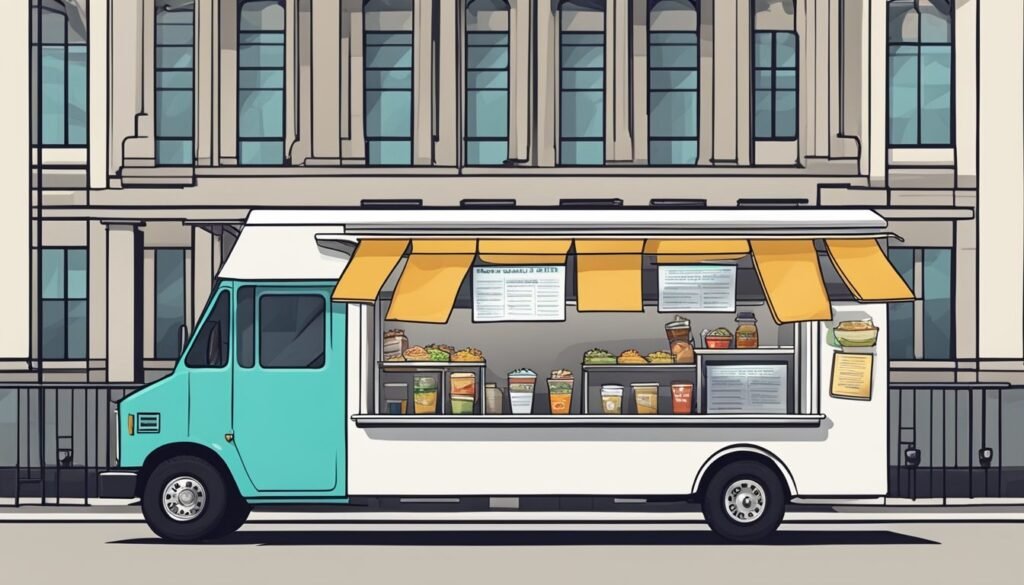
The food truck dream is real — lower startup costs than a restaurant, freedom to move, serious profit potential. But the paperwork surprise is also real: food trucks are among the most regulated small businesses in America. Knowing what licenses you need to start a food truck business before you buy the truck saves expensive mistakes.
Requirements vary by state, county, and city — sometimes all three at once. Here’s the universal checklist plus how to nail down your local specifics.
The short answer: most food trucks need a business license, food handler permits for all staff, a health department permit (with inspections), a commissary agreement (a licensed commercial kitchen as home base), fire department certification, and city-specific mobile vending permits. Budget $1,000–$3,000 for permits plus the truck itself ($50,000–$150,000).
The Core Licenses (Nearly Everywhere)
Business license: from your city/county — the basic permission to operate, $25–$100/year. Food handler’s permits: required for everyone touching food in most states ($10–$25 per person, usually an online course and test). Health department permit: the big one — your truck gets inspected against the food code, covering water systems, refrigeration temperatures, handwashing stations, and waste disposal. Expect $200–$1,000/year plus re-inspections.
Commissary agreement: most jurisdictions require your truck to operate from a licensed commercial kitchen for overnight parking, water refills, waste disposal, and food prep. Commissary kitchens rent for $500–$1,500/month — budget this as a fixed cost, not an afterthought. Fire department certification: your propane systems, generators, and suppression equipment get inspected ($100–$500). Mobile food vending permit: the city-specific license to actually sell from a vehicle — fees and rules vary wildly.
- Business license (city/county): $25–$100/year
- Food handler permits (all staff): $10–$25 each
- Health department permit + inspections: $200–$1,000/year
- Commissary kitchen agreement: $500–$1,500/month
- Fire department certification: $100–$500
- Mobile vending permit (city-specific): varies widely
The Rules That Surprise New Owners
Parking and location rules are where dreams meet reality. Many cities restrict where trucks can park — distance requirements from restaurants (often 100–200 feet), banned zones downtown, time limits, and special event permits. Some cities cap the total number of truck permits. Research your target city’s specific ordinances before buying anything; in strict cities, the permit situation determines your entire business model.
Also: most states require the truck itself to pass vehicle inspection as a commercial food vehicle, your menu may need nutritional labeling depending on size, and you’ll need commercial auto insurance ($2,000–$4,000/year) plus general liability ($500–$1,500/year). Employees need workers’ comp. The regulatory stack is real — which is exactly why food truck owners who do the homework have a moat against casual competition.
How to Get Your Local Answers
Start with your county health department — they’re the primary regulator and usually the most helpful. Ask for their mobile food vendor packet; most have a checklist. Then city hall or the city clerk for vending permits and parking ordinances. Your state’s small business development center (SBDC) offers free guidance and often knows the local quirks.
Talk to existing food truck owners in your area — not as competitors, but as colleagues. They know which inspectors are strict, which commissaries are good, and which locations actually make money. Most are generous with advice for newcomers who aren’t parking next to them. This single step saves more headaches than any amount of online research.
Budgeting the Full Launch
Realistic all-in numbers: a used truck or trailer buildout ($40,000–$100,000), equipment and initial inventory ($5,000–$15,000), permits and licenses ($1,000–$3,000), insurance first-year ($3,000–$6,000), commissary deposit and first months ($1,500–$4,500), branding/wraps ($2,000–$5,000), and working capital ($10,000–$20,000). Total: $60,000–$150,000 for most operations.
That’s real money — which is why financing matters. If your credit is thin, look into business funding without a credit check or SBA microloans before signing anything. And validate the concept cheaply first: a tent at farmers’ markets or a shared kitchen pop-up tests your menu and pricing for a fraction of the truck investment. The truck should be step two, not step one.
What Licenses Do I Need to Start a Food Truck Business in Texas, California, and Florida?
A quick tour of three big food-truck states shows how much local rules matter. Texas is relatively friendly: state-level food handler certification, county health permits, and city mobile vending permits — Austin, Houston, and Dallas each have their own vending ordinances, but none require the commissary arrangements some states mandate as strictly. Total permit costs often land $500–$1,500/year.
California is the most regulated: county health permits with strict commissary requirements (most counties require daily commissary visits logged), city business licenses, fire department clearance for propane, and in cities like Los Angeles, additional vending district rules. Budget $2,000–$4,000/year in permits plus $800–$1,500/month commissary. The market is huge, but so is the compliance load.
Florida sits in the middle: the state DBPR licenses mobile food vendors ($200–$400/year), counties add their own requirements, and the 2020 state law limiting local governments’ ability to ban trucks helped considerably. Always verify current rules — ordinances change, and the specifics that determine your daily operations (where you can park, operating hours, distance from restaurants) are set at the city level everywhere. Your county health department remains step one in all three states.
Related reading: how to get business funding without a credit check · what is the cheapest way to form an LLC in your state
The Bottom Line
Expect six layers: business license, food handler permits, health department permit, commissary agreement, fire certification, and city vending permits — roughly $1,000–$3,000/year plus $500–$1,500/month commissary. Start with your county health department’s vendor packet, talk to local truck owners, and validate with pop-ups before buying the truck. Budget $60,000–$150,000 all-in.
Sources: SBA: licenses and permits tool · FDA Food Code






