
How Long Does It Take for a Tan to Fade? Complete Timeline
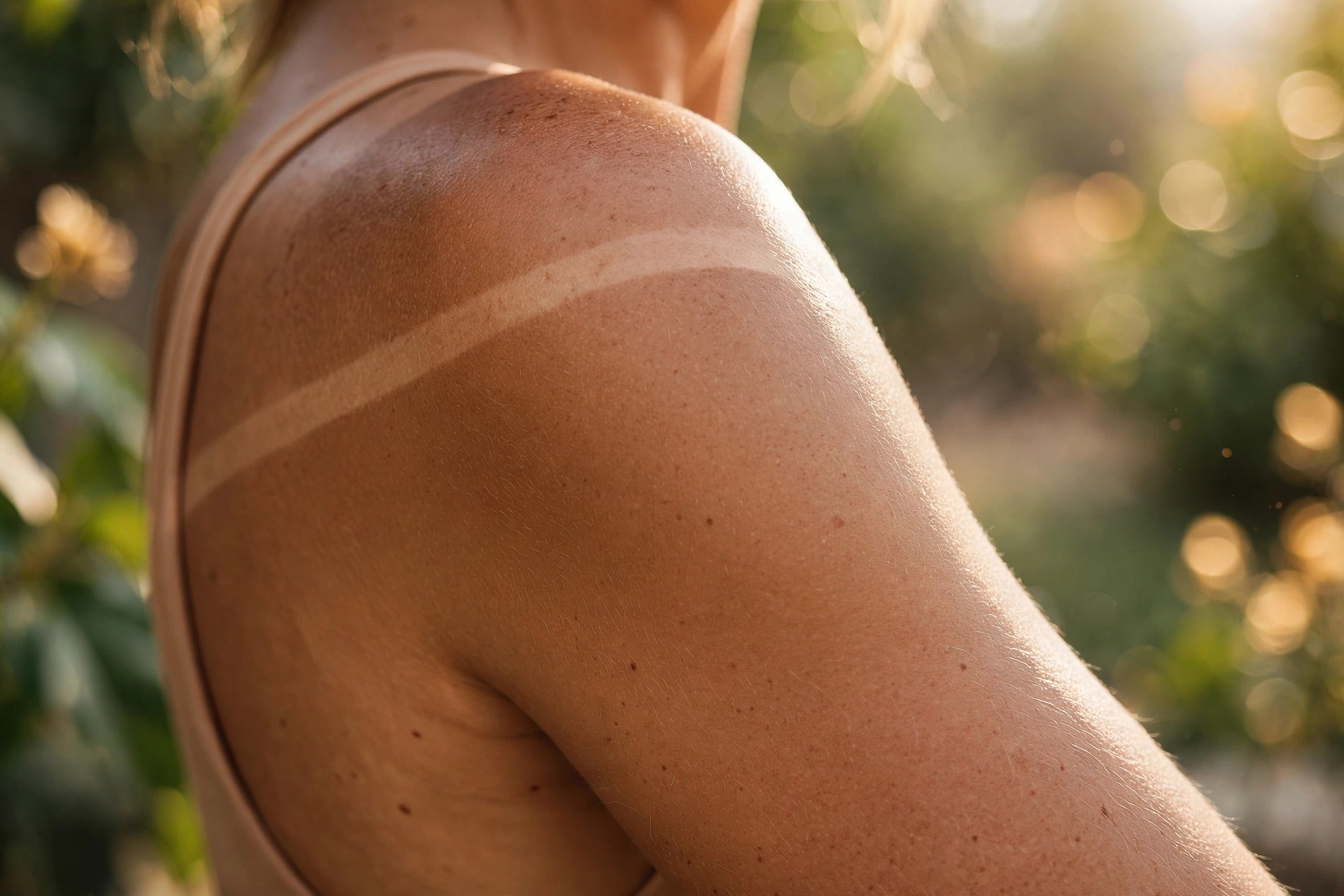
Wondering how long does it take for a tan to fade? Whether it is a natural sun tan, a self-tanner, or a professional spray tan, all tans are temporary — but they fade on very different timelines. Understanding why tans fade and what speeds up or slows down the process helps you plan ahead, whether you want to make a tan last or get rid of one fast.
The Short Answer by Tan Type
- Natural sun tan: 2 to 4 weeks to fade significantly, sometimes longer for deep tans. The tan fades as your skin naturally sheds.
- Self-tanner (at-home DHA): 5 to 7 days with normal care.
- Professional spray tan: 7 to 10 days, sometimes up to 2 weeks with excellent aftercare.
- Tanning bed tan: similar to a natural sun tan, 2 to 4 weeks (but with the same UV damage risks).
Why Tans Fade: The Science
Your skin is constantly renewing itself. The outer layer (epidermis) completely turns over approximately every 28 days in young adults — slower as you age, up to 40+ days. A tan lives in those outer skin cells:
- Sun tans come from melanin, the pigment your skin produces in response to UV exposure. As pigmented cells shed and are replaced by new, unpigmented cells from below, the tan fades.
- Sunless tans (DHA) work differently — DHA reacts with amino acids in dead skin cells on the very surface, creating a brown color change. Since it only affects the outermost dead layer, it fades faster as those cells slough off.
This is why sunless tans fade in days (surface layer only) while UV tans last weeks (deeper pigment production).
What Makes a Tan Fade Faster
- Exfoliation: the number one tan-fader. Scrubs, loofahs, dry brushing, and chemical exfoliants (AHAs, BHAs) all accelerate cell turnover and strip tan. If you want your tan gone, exfoliate daily.
- Hot baths and long showers: prolonged hot water softens skin and speeds shedding.
- Chlorinated pools: chlorine is harsh on both natural and sunless tans. Rinse immediately after swimming.
- Shaving: each shave removes a thin layer of skin along with hair, gradually lightening a tan.
- Sweating and friction: tight clothing, workout gear, and rubbing all wear tan away faster.
- Certain skincare ingredients: retinoids, glycolic acid, and salicylic acid increase cell turnover and fade tans noticeably faster.
- Dry skin: dehydrated skin flakes more, taking tan with it. (Ironic, since moisturizing is also how you make a tan last — it is about even, healthy shedding versus flaky shedding.)
What Makes a Tan Last Longer
- Moisturize daily. The single most effective tan-extender. Hydrated skin sheds evenly and slowly.
- Exfoliate gently and infrequently while you want to keep the tan. If you need guidance on balance, see how to push back cuticles.
- Take lukewarm, shorter showers and pat dry instead of rubbing.
- Use tan-extending moisturizers containing small amounts of DHA to top up color gradually.
- Stay hydrated from the inside — water supports healthy skin turnover.
- Avoid chlorine when possible, or rinse immediately after pool time.
How to Fade a Tan Fast (When You Want It Gone)
Sometimes you need a tan gone — a botched self-tanner, tan lines before an event, or just being done with summer color. Here is the accelerated fade protocol:
- Soak in a warm bath for 15 to 20 minutes to soften skin.
- Exfoliate thoroughly with a body scrub, exfoliating mitt, or a paste of baking soda and water. Work in sections with firm (not painful) pressure.
- Try a lemon juice or diluted white vinegar rub on stubborn areas — mild acids help break down DHA color. Rinse well and moisturize after, as these can be drying.
- Repeat daily until the tan is gone. Most self-tanners can be removed in 2 to 3 aggressive sessions.
- For natural tans, the same approach works but takes longer — you are waiting on deeper cell turnover. Consistent daily exfoliation can cut a 4-week fade down to 2 weeks.
If you are building a new tan after fading an old one, our guide on how to get tanner covers the safest application methods for an even result.
Tan Lines: A Special Case
Tan lines fade at the same rate as the tan around them — which means they persist as long as the overall tan does. To even them out faster, you have two options: fade the tanned areas (exfoliate the dark parts more aggressively) or carefully build color on the pale parts (targeted self-tanner application). Trying to “tan through” tan lines in the sun usually just deepens the contrast before it evens out.
Does Sunscreen Make Tans Fade Faster?
No — sunscreen does not fade an existing tan. It prevents new UV-induced darkening, which means your current tan will fade on its natural schedule without being continually renewed. This is actually useful: if you want a tan to fade, wearing sunscreen stops it from getting darker while your skin sheds the old color. Understanding how long sunscreen lasts on skin ensures you are actually getting that protection through reapplication.
Why Tans Fade Unevenly on Different Body Parts
If you have ever noticed your tan disappearing from your hands and feet first while your legs hold color for weeks, you are seeing normal variation in skin turnover. Areas with thinner skin and more frequent washing — hands, feet, face — shed their outer layer faster. Spots with more friction from clothing, like waistbands, bra lines, and sock cuffs, also fade first. Your back and outer thighs, which get less friction and washing, typically hold tan the longest. This uneven fading is completely normal and not a sign that anything is wrong. To minimize the patchwork effect, pay extra attention to moisturizing high-friction areas, and consider touching up fast-fading spots with a gradual tanning lotion rather than redoing your entire body.
Can Diet Affect How Long Your Tan Lasts?
There is modest evidence that diet plays a supporting role in tan longevity. Beta-carotene-rich foods (carrots, sweet potatoes, spinach) can give skin a subtle warm tint that complements a tan and may slightly extend its appearance. Antioxidant-rich foods support overall skin health and normal cell turnover. Staying well-hydrated keeps skin from flaking prematurely. That said, no food will dramatically extend a tan — these are marginal gains on top of the fundamentals: moisturize daily, avoid harsh exfoliation, and limit chlorine exposure. Think of diet as the finishing touch, not the foundation.
Frequently Asked Questions
Why does my tan fade patchy?
Different body areas shed skin at different rates, and areas with more friction (underarms, inner thighs, waistband area) fade first. Dry patches also shed unevenly. Consistent moisturizing is the best fix.
Can I stop a spray tan from fading?
You cannot stop it — skin turnover is constant — but you can slow it significantly with daily moisturizing, gentle cleansing, and tan-extending lotions. Ten days is about the maximum for most spray tans.
Will my natural tan ever fully go away?
Yes, with enough time and sun avoidance. Deep, years-long tans take longer because some pigment sits deeper, but consistent sunscreen use and time will return your skin to its baseline. This is also why dermatologists emphasize that “base tans” do not protect you — they fade, and the damage that created them remains.
Does drinking water help maintain a tan?
Indirectly. Hydrated skin is healthier skin, which sheds more evenly. It will not dramatically extend a tan, but dehydration definitely makes fading look worse.
The Bottom Line
A natural tan takes 2 to 4 weeks to fade, a self-tanner 5 to 7 days, and a spray tan 7 to 10 days. The Skin Cancer Foundation reminds us that any UV tan represents skin damage, which is worth keeping in mind. Exfoliation, hot water, and chlorine speed things up; daily moisturizing and gentle care slow things down. Whether you are trying to preserve a glow or erase a mistake, work with your skin’s natural turnover cycle rather than against it. For more on keeping skin healthy through every season, the American Academy of Dermatology’s skincare basics are an excellent resource.



