
How to Get Tanner: Safe Methods for a Natural Glow
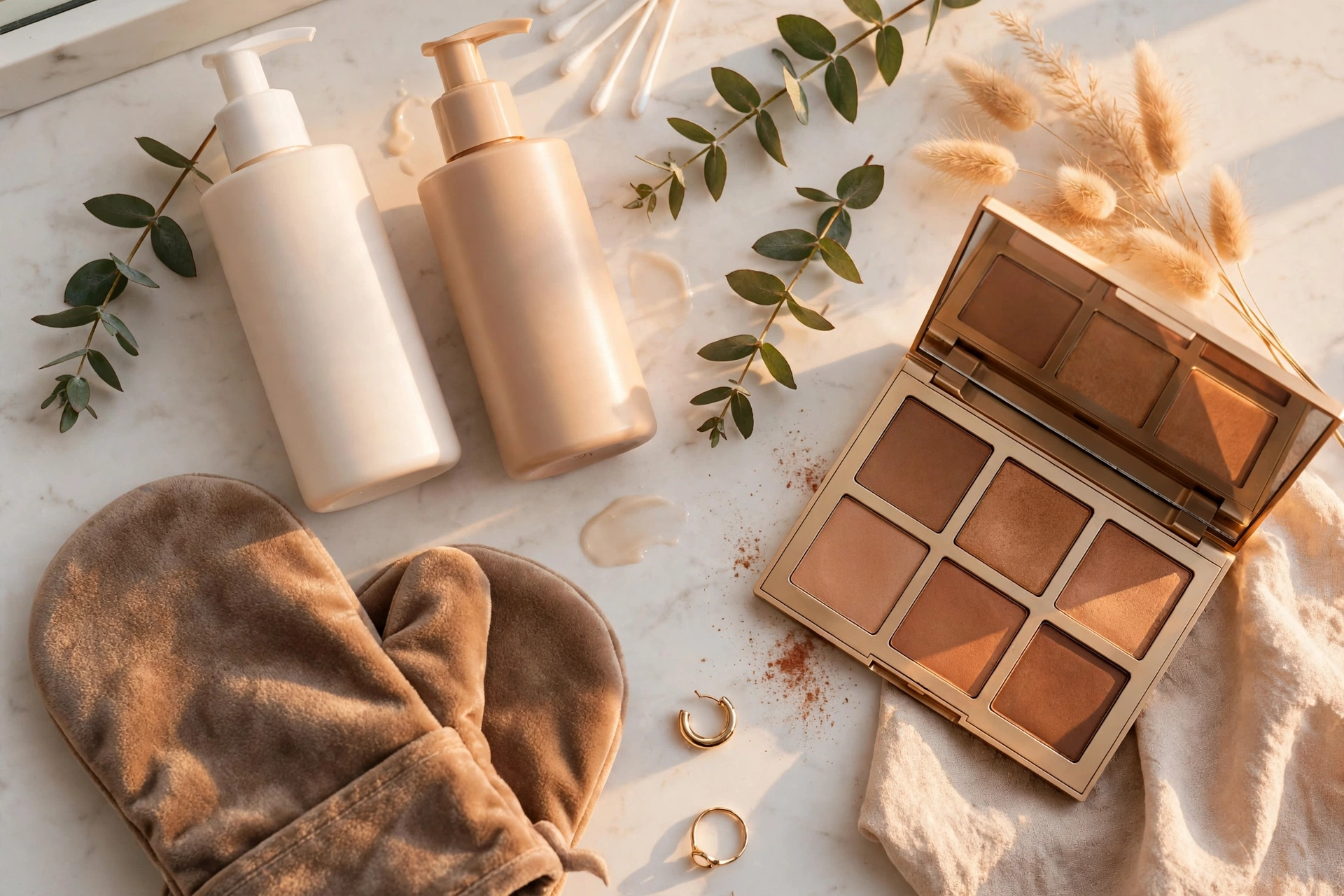
If you want to know how to get tanner safely and effectively, you have more options than ever — from sun tanning done right, to self-tanners, to spray tans. But not all methods are equal when it comes to your skin’s health. This guide covers every approach, ranks them by safety, and gives you practical tips to get the glow you want without the damage you do not.
The Safety Ranking: Best to Worst
Before the how-to, the honest ranking every dermatologist would give you:
- Self-tanner (at home): safest option. Zero UV damage. Modern formulas look natural, not orange.
- Professional spray tan: equally safe, more even application, lasts about a week.
- Gradual tanning lotions: very safe, subtle build-up over days. Great for beginners.
- Sun tanning (with protection): carries real UV risk even when done “carefully.” There is no truly safe way to tan from UV — any tan is visible sun damage.
- Tanning beds: the worst option. Concentrated UV, strongly linked to melanoma. The American Academy of Dermatology advises against them entirely.
If your priority is color without consequences, sunless options win by a mile.
Option 1: Self-Tanner (Recommended)
Self-tanners use DHA (dihydroxyacetone), which reacts with amino acids in your skin’s outer layer to create a temporary tan. It is the same active ingredient used in professional spray tans.
How to apply self-tanner flawlessly
- Exfoliate 24 hours before. Smooth skin tans evenly; rough patches grab extra color. Exfoliate the day before, not the same day, to avoid irritation.
- Shave or wax at least 24 hours ahead so pores have time to close.
- Moisturize dry spots — elbows, knees, ankles, knuckles — right before applying. These areas absorb more product and turn darker.
- Apply in sections using a tanning mitt, working in long, even strokes. Blend carefully at wrists, ankles, and elbows.
- Use sparingly on hands and feet. Mix a little regular moisturizer with the tanner for these areas, or apply last with the residue on the mitt.
- Let it develop for the time stated on the bottle (usually 4 to 8 hours). Wear loose, dark clothing while you wait.
- Rinse, do not scrub, after developing. Pat dry and moisturize.
Choosing the right formula
- Mousses: most popular; easy to see where you have applied, fast-drying.
- Lotions: more moisturizing, good for dry skin, slower to dry.
- Drops: mix into your regular moisturizer for a customizable, subtle glow.
- Gradual tanners: build color over several days; most foolproof for beginners.
Pick a shade close to your natural skin tone — going more than 2 shades darker in one application is where streaks and orange tones happen.
Option 2: Professional Spray Tan
A technician (or automated booth) applies an even mist of DHA solution. Results look more uniform than most DIY attempts and develop in a few hours. A spray tan typically lasts 5 to 10 days, fading as your skin naturally exfoliates. Exfoliate beforehand and avoid moisturizer, deodorant, or makeup at your appointment — they create barriers. Wear dark, loose clothing afterward, and avoid water, sweating, and tight clothes for the development period.
Option 3: Tanning in the Sun (If You Insist, Do It Safer)
Dermatologists will tell you there is no safe UV tan — and they are right. But if you are going to be in the sun anyway, you can reduce (not eliminate) harm:
- Always wear sunscreen. Yes, you can still tan with SPF on — it just happens more slowly and with less burning. SPF 30 blocks about 97% of UVB; the remaining 3% still tans you.
- Build gradually. Start with 15 to 20 minutes and increase slowly over days. Burning does not turn into a tan — it turns into damage and peeling.
- Avoid peak hours (10am to 4pm) when UV is strongest.
- Stay hydrated and take shade breaks.
- Never fall asleep in the sun. Set a timer if you are prone to dozing off.
- Moisturize after sun exposure to help skin recover.
Understanding how long sunscreen lasts on skin is essential here — reapply every two hours or your “protected” tan becomes an unprotected burn.
How to Make Any Tan Last Longer
- Moisturize daily. Hydrated skin sheds more slowly, so your tan fades evenly instead of patchily.
- Exfoliate gently, not aggressively. Harsh scrubbing strips tan fast. If you do exfoliate, keep it light — our guide on how to thin out nail polish explains the right balance.
- Avoid long hot baths and chlorinated pools, which fade tans faster. Rinse off chlorine promptly after swimming.
- Pat dry instead of rubbing after showers.
- Use tan-extending lotions with a small amount of DHA to top up color between applications.
Expect a self-tan to last 5 to 7 days and a spray tan 7 to 10 days with good care. For the full fade timeline, see how long it takes for a tan to fade.
Fixing Tanning Mistakes
- Streaks: gently exfoliate the darker areas to even things out, or apply a little more tanner to the lighter areas.
- Orange hands/feet: scrub with a baking soda paste or lemon juice, then moisturize heavily.
- Too dark overall: take a warm bath and exfoliate gently all over; each exfoliation session lightens the tan noticeably.
- Missed spots: dab a small amount of tanner on the spot with a cotton pad and blend outward.
Tanning Safely With Different Skin Tones
Your natural skin tone affects both how you tan and which products work best. Fair skin (types I-II) burns easily and should lean heavily on sunless options — if you do use the sun, high SPF and very gradual exposure are essential. Medium skin (types III-IV) tans more readily but still burns without protection; sunscreen remains non-negotiable. Dark skin (types V-VI) has more natural melanin protection but is not immune to UV damage or skin cancer, and sunless tanners can look ashy if the shade is wrong — choose formulas designed for deeper skin tones. Whatever your complexion, patch-test any new self-tanner on a small area first. The goal is a healthy-looking glow that complements your natural tone, not a dramatic color change that looks artificial.
What to Wear While Your Tan Develops
The hours after applying self-tanner are when most mistakes happen. Wear loose, dark clothing — tight outfits cause friction that lifts color unevenly, and light fabrics can stain. Avoid bras with tight bands, skinny jeans, and anything with elastic that digs in. Go barefoot or wear loose sandals rather than closed shoes. Skip workouts, saunas, and anything that makes you sweat until after your first rinse. If you must sleep while the tan develops, use dark sheets or lay a dark towel over your pillow — DHA can transfer to fabrics during the development window.
Frequently Asked Questions
Is self-tanner safe during pregnancy?
DHA is generally considered safe since it does not penetrate beyond the outer skin layer, but many doctors recommend waiting until after the first trimester and avoiding spray tans (to prevent inhaling the mist). Check with your own doctor.
Can I get vitamin D from tanning?
Sun exposure does produce vitamin D, but you need very little unprotected exposure to get it — and supplements are safer. Do not use tanning as a vitamin D strategy.
Why did my self-tanner turn me orange?
Usually one of three causes: a formula too dark for your skin tone, over-application on dry areas, or a low-quality product. Stick to reputable brands and shades near your natural tone.
Can I exercise after self-tanning?
Wait until after the development period and your first rinse. Sweating during development causes streaks and uneven color.
The Bottom Line
The safest way to get tanner is sunless: a quality self-tanner or professional spray tan gives you the glow with zero UV damage. If you tan in the sun, sunscreen is non-negotiable and gradual exposure beats burning every time. Prep your skin well, apply evenly, moisturize daily, and your tan will look natural and last. For more on protecting the skin you are showing off, the Skin Cancer Foundation has excellent sun-safety resources.



