
How to Remove Ink from Skin: 5 Safe Methods That Work
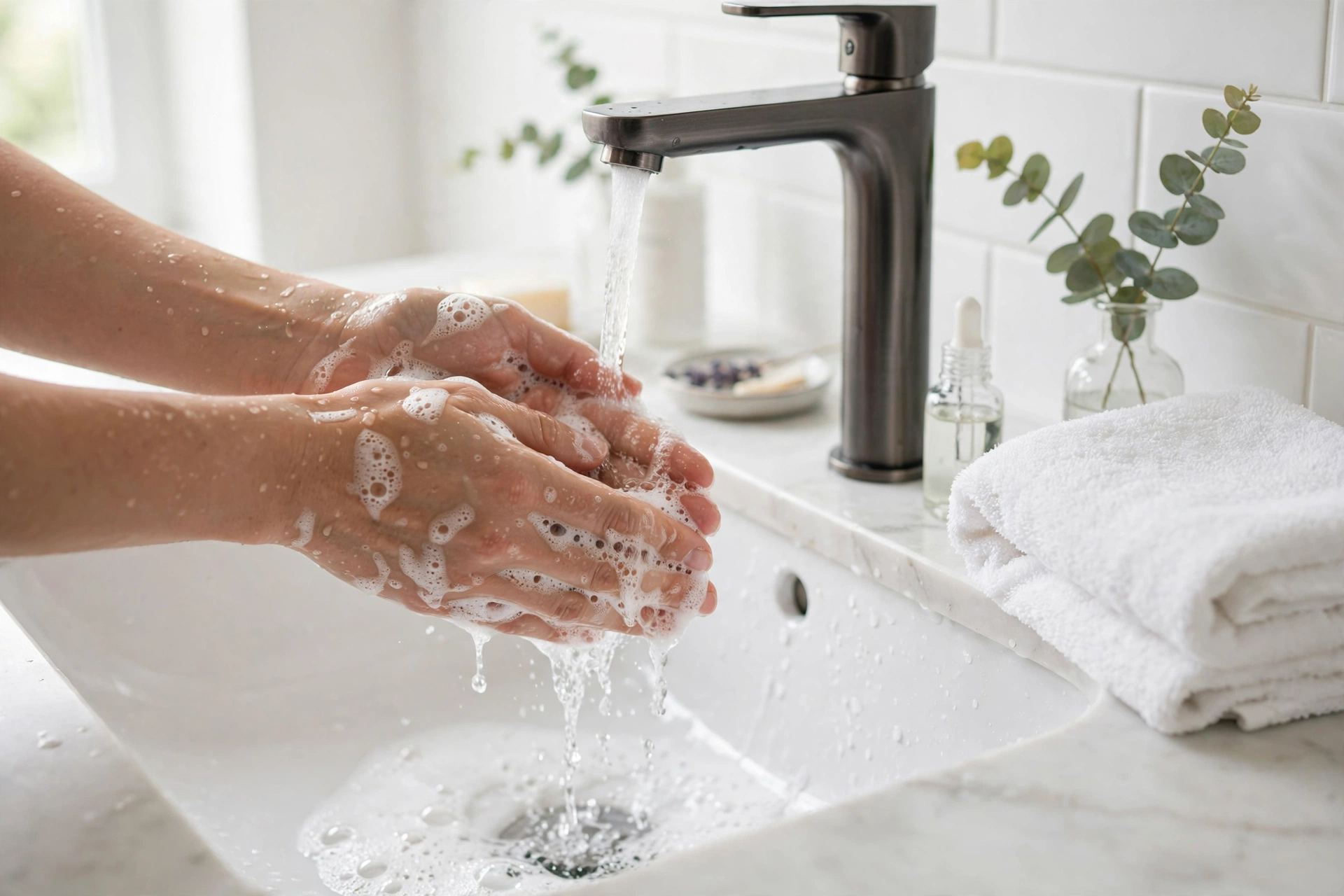
Whether it is a leaky pen, a stamp from last night, or a DIY mishap, knowing how to remove ink from skin quickly and safely saves a lot of scrubbing. The trick is matching the method to the ink type — ballpoint, gel, marker, and stamp ink all respond to different approaches. This guide covers the safest, most effective methods in order from gentlest to strongest, so you can get clean without damaging your skin.
Start With the Gentlest Method First
Always begin with soap and water. It sounds obvious, but many ink stains — especially fresh ballpoint pen marks — come off with 30 seconds of washing with warm water and regular hand soap. Use a soft cloth or your hands, not an abrasive scrubber. If the stain is fresh, this alone often does the job. Only escalate to stronger methods if gentle washing fails.
Method 1: Soap, Water, and Patience (Best for Fresh Ballpoint Ink)
Wet the stained area with warm water, lather generously with soap, and rub gently in circular motions for 30 to 60 seconds. Rinse and repeat if needed. Dish soap works particularly well because it is designed to cut through oils and pigments. For most fresh pen marks, two rounds of this removes the stain completely.
Method 2: Oil-Based Removal (Best for Stubborn Pen Ink)
Ink is often oil-soluble, which is why oil-based methods work so well:
- Coconut oil or olive oil: massage a generous amount into the stain for 1 to 2 minutes, then wash off with soap and warm water. The oil dissolves the ink’s binders.
- Baby oil or mineral oil: same principle, very gentle on skin.
- Makeup remover or cleansing oil: designed to dissolve pigments — highly effective on pen and marker ink.
Oil methods are among the gentlest options, making them ideal for sensitive skin and for stains on the face or neck.
Method 3: Rubbing Alcohol or Hand Sanitizer (Best for Permanent Marker)
Isopropyl alcohol dissolves most marker inks, including Sharpie. Soak a cotton ball in rubbing alcohol (or use alcohol-based hand sanitizer in a pinch), press it against the stain for 30 seconds, then rub gently. You may need to repeat 2 to 3 times for dark marks. Follow up with soap and water, then moisturize — alcohol is drying.
Avoid using alcohol on broken, irritated, or freshly shaved skin, and keep it away from eyes and lips.
Method 4: Baking Soda Paste (Best for Set-In Stains)
Mix baking soda with a little water to form a thick paste. Gently massage it into the stain with your fingertips using light circular motions for about a minute, then rinse. Baking soda provides very mild abrasion that lifts pigment without the harshness of a scrub brush. This works well on stains that have been sitting for hours.
Method 5: Exfoliation (Best for Faded Residue)
For the faint shadow left after other methods, gentle exfoliation removes the top layer of stained skin cells. Use a mild body scrub or exfoliating mitt with light pressure. Do not overdo it — one gentle session is enough. If you exfoliate regularly anyway, our guide on how to push back cuticles will help you avoid damaging your skin barrier in the process.
Ink Type Quick Reference
- Ballpoint pen: soap and water, then oil if needed. Usually the easiest.
- Gel pen: soap and water first; oil or baking soda paste for residue. Gel ink is water-based but pigmented.
- Permanent marker (Sharpie): rubbing alcohol is the go-to. Oil works too but takes longer.
- Stamp ink: varies by formulation — try soap first, then alcohol. Event/hand stamps are usually designed to fade within a day.
- Printer ink/toner: cold water and soap first (hot water can set it). Oil helps with stubborn spots. Avoid harsh solvents.
- Tattoo ink (fresh tattoo): do not try to remove this yourself — follow your artist’s aftercare instructions exactly.
What NOT to Use on Your Skin
- Bleach or hydrogen peroxide (high concentration): can cause chemical burns and skin damage. Never worth it for an ink stain.
- Nail polish remover (acetone): extremely drying and irritating; it can damage skin with prolonged contact.
- Abrasive scouring pads or stiff brushes: will remove skin along with the ink.
- Undiluted essential oils: tea tree oil is sometimes suggested, but undiluted oils can irritate skin — and they are not particularly effective on ink anyway. The Cleveland Clinic’s guide to skin irritants is worth checking before putting unfamiliar substances on your skin.
When in doubt, the dermatologist-backed principle is simple: if you would not put it on your face, think twice before scrubbing it into your skin elsewhere. The American Academy of Dermatology’s skincare basics are a good reference for what skin can safely handle.
Aftercare: Protect Your Skin
Once the ink is gone, your skin has been through some stress — especially if you used alcohol or exfoliation. Rinse thoroughly, pat dry, and apply a good moisturizer to restore the barrier. If the area feels irritated, skip fragranced products for a day and let it calm down. A proper cleansing routine helps generally too — learning how to use body wash correctly keeps your skin resilient against everyday stains and irritants.
Special Situations
Ink on a child’s skin
Stick to soap and water or a gentle oil like coconut oil. Children’s skin is more sensitive, so avoid alcohol unless absolutely necessary, and never use harsh solvents. Most kid ink stains (markers, pens) fade on their own within a day or two even without treatment.
Ink near eyes or mouth
Use only the gentlest methods — a damp cloth with mild soap, or a fragrance-free makeup remover. Avoid alcohol and baking soda near mucous membranes. If ink gets directly in the eye, flush with clean water or saline and seek medical advice if irritation persists.
Large areas of ink
For big stains (printer mishaps, art projects), work in sections with oil or soap rather than attacking the whole area aggressively at once. Take breaks to avoid irritating large areas of skin.
Removing Ink From Different Skin Areas
Not all skin is equally tough. The skin on your hands is thick and resilient, making it the easiest place to remove ink stains aggressively if needed. Your face and neck have thinner, more sensitive skin — stick to oil-based methods here and avoid alcohol or baking soda, which can cause redness and dryness. For ink on feet or other areas with thick skin, you can use slightly firmer pressure with exfoliating methods. Around nails and cuticles, ink tends to settle into tiny creases; an old soft toothbrush with soap works well to get into these grooves without damaging the nail bed. Always moisturize after treating any area, but be extra generous with sensitive zones.
Frequently Asked Questions
Will the ink stain permanently?
Almost never. Even stubborn marker ink fades as your skin naturally sheds its outer layer — typically within 1 to 3 days even if you do nothing. The methods above just speed things up.
Can I use toothpaste to remove ink?
It is a popular internet suggestion, but toothpaste (especially whitening formulas) can irritate skin and is not particularly effective. Oil or alcohol work better with less risk.
Does lemon juice remove ink?
Lemon juice has mild bleaching properties but can cause photosensitivity (skin becomes more sun-sensitive) and irritation. It is not recommended as a primary method.
The Bottom Line
Removing ink from skin is straightforward: start gentle with soap and water, escalate to oil for pen ink or rubbing alcohol for marker, and finish with moisturizer. Avoid harsh chemicals and abrasive scrubbing — your skin replaces its outer layer constantly, so even stubborn stains are temporary. Work from mildest to strongest, and you will get clean without the damage.



