
What Is the Difference Between Baking Soda and Baking Powder
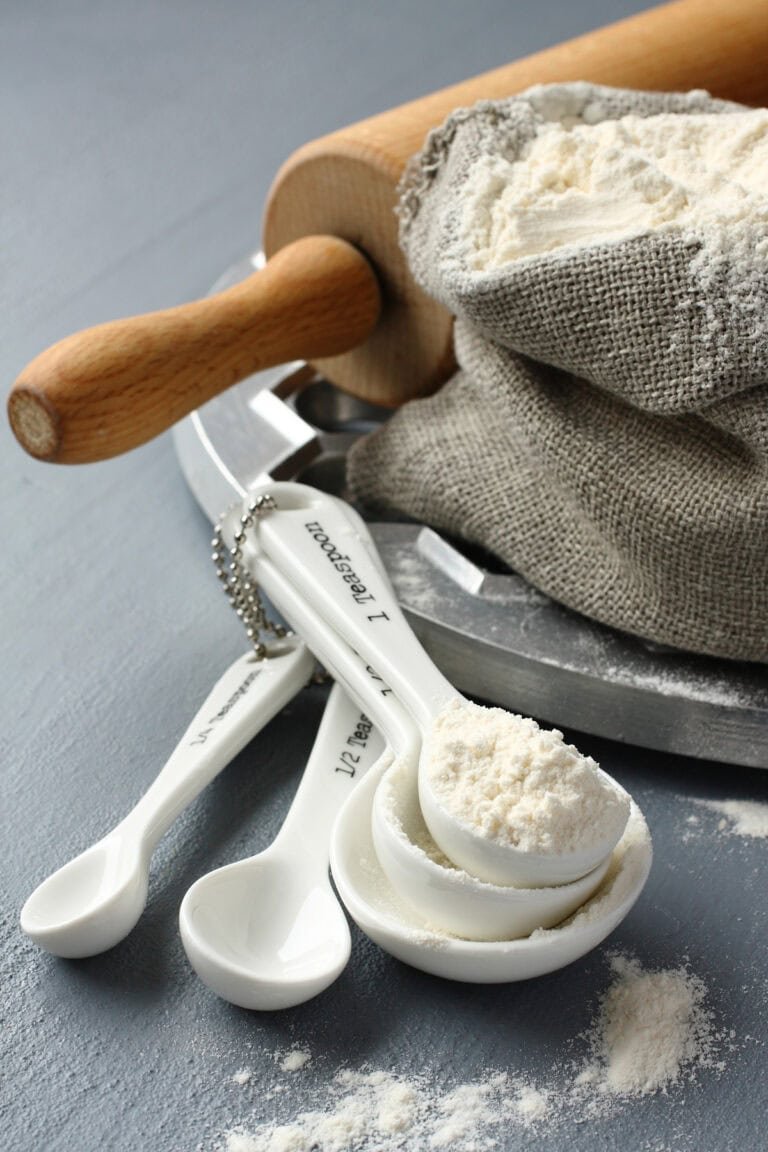
Baking soda. Baking powder. They’re both white powders in similar boxes, both make things rise, and using the wrong one can ruin a recipe. I’ve made the substitution error in both directions — the metallic-tasting cookies (too much soda), the flat pancakes (powder when soda was needed) — and each failure taught me something about the chemistry. Once you understand what each one actually does, you’ll never confuse them again, and you’ll know exactly when you can (and can’t) substitute.
Here’s the difference between baking soda and baking powder, and how to use each correctly.
What Is the Difference Between Baking Soda and Baking Powder?
The short version: baking soda is a single ingredient (sodium bicarbonate) that needs an acid to activate; baking powder is baking soda plus acid already mixed in, needing only moisture and heat. That’s the entire difference — but it determines everything about when and how you use them.
Baking Soda: The Base That Needs an Acid
Baking soda (sodium bicarbonate) is alkaline — a base. When it meets an acid in the presence of moisture, it reacts immediately, producing carbon dioxide bubbles that leaven (rise) the batter. No acid, no reaction, no rise — and worse, unreacted baking soda leaves a soapy, metallic taste and can turn baked goods yellowish.
Common acids in baking that activate baking soda:
- Buttermilk (the classic partner — this is why so many recipes pair them)
- Yogurt and sour cream
- Lemon juice and vinegar
- Brown sugar (molasses is acidic)
- Honey (mildly acidic)
- Cocoa powder (natural cocoa is acidic; Dutch-processed is neutralized — this distinction matters, see below)
- Cream of tartar
- Molasses
The reaction starts the moment liquid hits the batter — which is why baking soda recipes say to get them in the oven quickly. Delay, and the bubbles escape before the structure sets, leaving you with flat results.
Baking Powder: The Self-Contained Leavener
Baking powder is baking soda pre-mixed with dry acids (usually cream of tartar and sodium acid pyrophosphate) plus a little cornstarch (to absorb moisture and prevent premature reaction in the can). Add liquid, and the first acid reacts immediately; add heat, and the second acid reacts — this double action is why modern baking powder is labeled “double-acting.”
Double action is forgiving: you get an initial rise when mixing and a second boost in the oven’s heat. Batters can rest a bit without losing all their lift — unlike baking soda batters, which are on a timer from the first stir.
Why Recipes Use One, the Other, or Both
Baking soda alone: recipes with plenty of natural acid — buttermilk pancakes, chocolate cake with natural cocoa, banana bread (brown sugar + bananas are mildly acidic). The soda neutralizes the acid (improving flavor — less tang) while leavening.
Baking powder alone: recipes without significant acid — vanilla cake, biscuits, sugar cookies. The powder provides all the lift without needing acidic ingredients.
Both together: recipes with some acid but needing more lift than the soda-acid reaction provides — many chocolate cakes, muffins, and quick breads. The soda handles the acid neutralization and contributes lift; the powder adds extra rising power. Our fluffy pancake guide and pizza dough method show these principles in action.
The Cocoa Powder Trap
This is where most people get confused. Natural cocoa powder (Hershey’s, Ghirardelli unsweetened) is acidic — it activates baking soda beautifully. Dutch-processed cocoa (darker, smoother) has been alkalized — the acid is neutralized, so it won’t activate baking soda. If a chocolate recipe calls for baking soda, use natural cocoa. If it calls for baking powder, Dutch-processed is fine. Swapping cocoa types without adjusting leavener is a top cause of flat or metallic chocolate baked goods.
Can You Substitute One for the Other?
Baking powder for baking soda: technically possible but impractical — you’d need 3–4x as much powder (since it’s only ~1/3 soda), which throws off the recipe’s dry-to-wet ratio and can taste bitter. Only in emergencies.
Baking soda for baking powder: possible if you add an acid. Replace 1 teaspoon of baking powder with 1/4 teaspoon baking soda + 1/2 teaspoon cream of tartar (or 1/2 teaspoon lemon juice/vinegar). The cream of tartar provides the acid the soda needs. This actually replicates single-acting baking powder quite well.
DIY baking powder: mix 1 part baking soda + 2 parts cream of tartar + 1 part cornstarch. It works, but use it immediately — homemade versions lose potency faster than commercial double-acting powder.
Freshness Matters (More Than You Think)
Both lose potency over time, and dead leavener is a top cause of baking failures:
- Baking soda: lasts ~6 months once opened (longer unopened). Test: drop 1/2 teaspoon into vinegar — vigorous fizzing means it’s alive.
- Baking powder: lasts ~6–12 months once opened. Test: drop 1/2 teaspoon into hot water — immediate bubbling means it’s good. No bubbles, no rise — replace it.
Storage: cool, dry place, tightly sealed. The box of baking soda in your fridge absorbing odors? It’s dead as a leavener — keep a separate sealed box for baking. Date your boxes when you open them; “I think this is from last year” is how flat cakes happen.
How Much to Use
General guidelines (per cup of flour): baking soda: 1/4 teaspoon per cup. Baking powder: 1 teaspoon per cup. More is not better — excess soda causes the metallic taste and yellowing; excess powder causes a bitter taste and can make baked goods rise too fast then collapse. Measure precisely — leaveners are chemistry, not seasoning. Level off measuring spoons; don’t eyeball.
Beyond Baking: Other Uses
Baking soda is a household multitasker: deodorizer (fridge, carpets, shoes), gentle abrasive cleaner, heartburn remedy (in small, occasional doses), and the key ingredient in cleaning solutions throughout the home. Baking powder has a secret savory use: tossing chicken wings in baking powder before roasting creates incredibly crispy skin (the alkaline surface breaks down proteins and promotes browning) — try it on your next batch before marinating chicken for grilling.
Practical Takeaway
Baking soda needs an acid partner (buttermilk, brown sugar, natural cocoa, lemon) and works immediately — get batters in the oven fast. Baking powder brings its own acid and gives you double-action lift with more forgiveness. Match your cocoa to your leavener, test freshness every few months, measure precisely, and substitute only with the right acid adjustments. Understand the chemistry and your baking gets dramatically more reliable — no more mystery flats or metallic aftertastes. King Arthur Baking’s ingredient guides explain leavener science with excellent visual examples.






