
How to Cook Salmon That Stays Moist Every Time
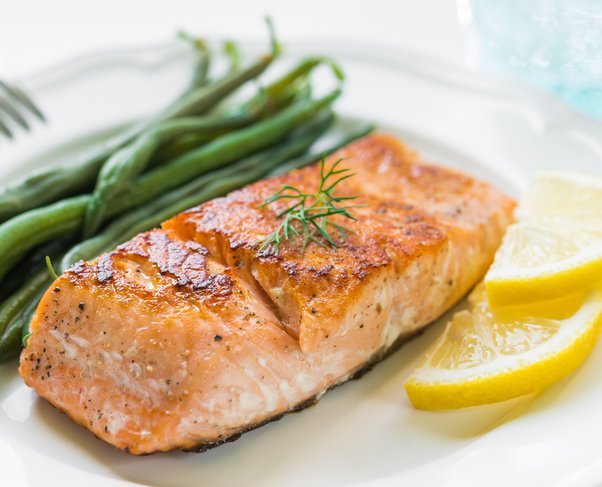
Learning how to cook salmon so it does not dry out is one of those kitchen skills that pays off every single week. Salmon is not cheap, and there is nothing more frustrating than spending good money on a beautiful fillet only to end up with something chalky and sad. I have ruined my share of salmon over the years, usually by treating it like chicken and cooking it until I was “sure” it was done. That instinct is exactly what dries it out.
The good news is that juicy salmon is not about fancy equipment or chef training. It comes down to three things: starting with the right temperature fish, not overcooking it, and letting it rest. Get those right and you will wonder why you ever found salmon intimidating.
Why Salmon Dries Out (and How to Stop It)
Salmon dries out for one main reason: it is overcooked. Fish muscle fibers are delicate, and once the internal temperature climbs past about 145°F, the proteins squeeze out moisture fast. The USDA lists 145°F as the safe temperature for fish, but carryover cooking means a fillet pulled at 140°F will coast right up to that mark while it rests. That little detail is the whole secret.
The second culprit is cooking cold fish. A fillet straight from the fridge hits a screaming-hot pan and the outside overcooks before the center catches up. Letting salmon sit at room temperature for 15 to 20 minutes before cooking makes an enormous difference, and it costs you nothing. If you are working with frozen fish, make sure you defrost it safely and quickly first rather than cooking from frozen, which almost guarantees uneven results.
The Pan-Sear Method That Never Fails
My go-to method is a simple pan sear, and it works on weeknights when I want dinner on the table in fifteen minutes. Pat the fillet very dry with paper towels. Moisture on the surface is the enemy of a good sear, so do not skip this. Season generously with salt and pepper; salmon can take more salt than you think.
Heat a heavy skillet over medium-high heat and add a thin film of oil with a high smoke point. When the oil shimmers, lay the fillet skin-side down and press it gently for a few seconds so the skin makes full contact. Then leave it alone. Seriously, do not poke it. Let it cook undisturbed for about five to six minutes until the skin is crisp and the color has crept about two-thirds of the way up the side of the fillet.
Flip it and cook just one to two minutes more on the flesh side. That is it. Pull it off the heat, let it rest for three minutes, and serve. A well-seasoned cast iron skillet is fantastic for this because it holds heat so evenly.
Oven-Baked Salmon for Hands-Off Cooking
If you prefer the oven, heat it to 400°F and bake a one-inch fillet for about 12 to 14 minutes. The same rules apply: room-temperature fish, dry surface, pull it a touch early. I like to finish with a squeeze of lemon and a knob of butter melting over the top while it rests.
How to Tell When Salmon Is Done
Forget cutting into it and watching the juices run out. The most reliable tool is an instant-read thermometer. Pull the salmon when the thickest part reads 140°F, then rest it. No thermometer? Press the fillet gently with a fork. If the layers separate into moist flakes, it is done. If it still looks translucent and resists flaking, give it another minute. Translucent is fine, by the way. Salmon served at medium, with a slightly rosy center, is juicier and, to most palates, better.
Common Mistakes That Dry Salmon Out
- Cooking it straight from the fridge. Cold centers mean overcooked exteriors.
- Skipping the pat-dry. Surface moisture steams the fish instead of searing it.
- Cooking to 145°F in the pan. Carryover heat will push it past that; pull it early.
- Microwaving leftovers at full power. Reheat gently at 50 percent power with a splash of water.
- Buying thin tail pieces for searing. Ask for center-cut fillets of even thickness.
Keeping It Interesting Week After Week
Once the technique is down, salmon becomes a blank canvas. A miso-maple glaze, a simple herb butter, or a spice rub with smoked paprika and brown sugar all take five minutes. Salmon is also one of the most efficient proteins you can buy, which is why it shows up in my rotation of budget-friendly high-protein meals that actually keep you full.
Brining: Cheap Insurance for Perfect Salmon
If you are nervous about timing, a quick brine is your safety net. Dissolve a quarter cup of kosher salt and two tablespoons of sugar in four cups of cold water, submerge the fillets for 15 to 20 minutes, then rinse and pat dry. The brine seasons the fish throughout and helps the proteins hold onto moisture during cooking, buying you an extra minute or two of forgiveness if you get distracted. It is the same principle behind brining a Thanksgiving turkey, just scaled down to weeknight size.
Buying Salmon Worth Cooking Well
Technique cannot save a bad fillet. When you are at the store or fish counter, look for flesh that is vibrant and moist-looking, never dull or gaping. It should smell like the ocean, not like fish. If there is a strong fishy odor, walk away. For fillets, center-cut pieces of even thickness cook far more evenly than tapered tail ends, which is why they are worth the slightly higher price.
Farm-raised versus wild is a personal call. Wild salmon is leaner, which means it dries out faster and rewards careful timing even more. Farm-raised has more fat marbling, making it more forgiving for beginners. Frozen salmon is genuinely excellent these days, often fresher than the “fresh” fish that has been sitting in a case for days, as long as you thaw it properly instead of rushing it.
For deeper technique reading, the guides at Serious Eats are excellent, and FoodSafety.gov has the official word on safe fish temperatures if you want to double-check the numbers.
The takeaway is simple: buy decent fillets, temper them before cooking, dry the surface, and pull them off the heat before you think they are done. Do that consistently and dry salmon becomes a problem you used to have.







1 thought on “How to Cook Salmon That Stays Moist Every Time”