
How to Season a Cast Iron Skillet the Right Way
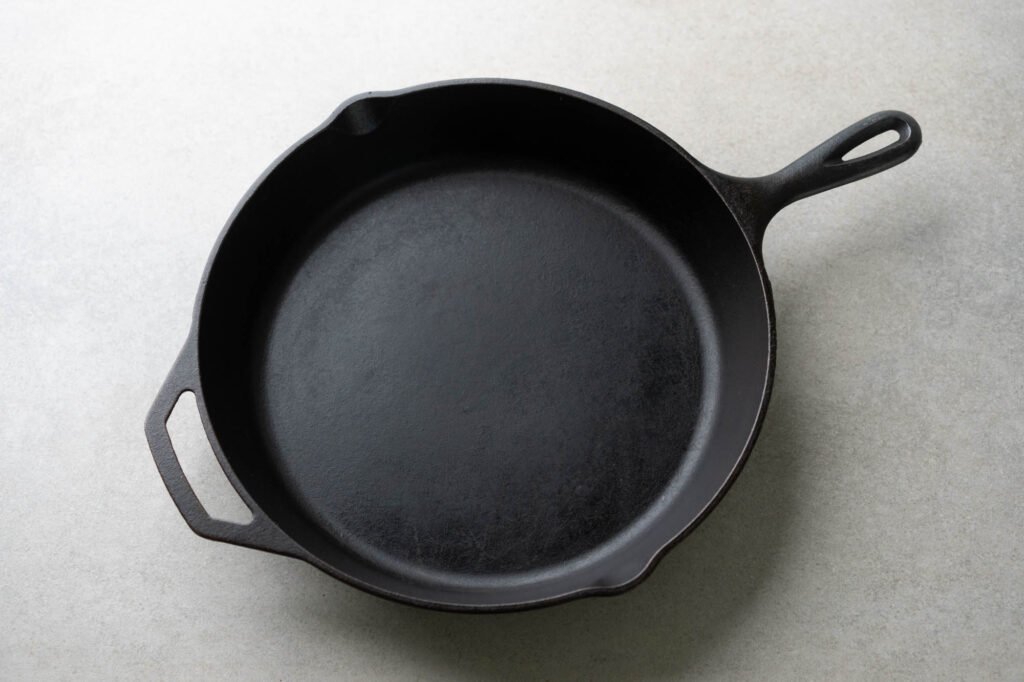
Seasoning a cast iron skillet sounds mysterious until someone explains what is actually happening, and then it becomes one of the simplest maintenance tasks in your kitchen. Seasoning is just oil that has been heated past its smoke point until it bonds to the iron, forming a hard, slick layer. Do it right once, maintain it lightly after every use, and your skillet will outlive you.
I inherited my grandmother’s skillet, and the seasoning on it is decades deep. You do not need decades, though. A new or stripped skillet can be brought to genuinely nonstick performance in a single afternoon.
What Is the Best Way to Season a Cast Iron Skillet?
The oven method is the most reliable. Here is the full process, step by step.
Step 1: Start With a Clean Slate
If the skillet is new, wash it with hot water and a little dish soap to remove the factory coating, then dry it completely. If it is rusty or has flaky old seasoning, scrub it with steel wool or coarse salt until you are down to bare gray iron. A common myth says soap ruins cast iron; a little soap on modern seasoned pans is fine, but for this initial strip-down you want the surface as bare as possible.
Step 2: Dry It Thoroughly
Water is the enemy here. Towel-dry the skillet, then put it on a burner over low heat for a few minutes until every trace of moisture evaporates. Let it cool just enough to handle.
Step 3: Apply a Very Thin Coat of Oil
This is where most people go wrong: they use too much oil. Rub a high-smoke-point oil, like refined avocado oil, grapeseed oil, or even Crisco, over the entire skillet, inside and out, including the handle. Then take a clean cloth and wipe it all off. Wipe it like you made a mistake and are trying to remove every trace. The layer that remains, nearly invisible, is exactly the right amount. Thick coats turn sticky and gummy instead of hard and slick.
Step 4: Bake It Upside Down
Place the skillet upside down in an oven heated to 450 to 500°F, with a sheet of foil on the rack below to catch drips. Bake for one hour. The heat polymerizes the oil, bonding it to the iron. Let the skillet cool in the oven.
Step 5: Repeat Two or Three Times
One coat is functional; three coats are genuinely good. Repeat the thin-oil-and-bake cycle two more times. Each layer builds on the last, and by the third round the surface will have a deep, semi-gloss black finish.
Which Oil Should You Use?
Honestly, the oil matters less than the thinness of the coat and the temperature. Flaxseed oil gets recommended a lot because it polymerizes hard, but it can flake over time. Refined oils with high smoke points, like avocado or grapeseed, are forgiving and durable. Avoid olive oil for the initial seasoning; its lower smoke point makes it more likely to go sticky. Save the olive oil for cooking.
Daily Maintenance: The Part That Actually Matters
- Clean while warm. Hot water and a stiff brush handle most messes. For stuck bits, boil a little water in the pan or scrub with coarse salt.
- Dry immediately. Never let it air-dry. Towel it off, then heat it on the burner for a minute.
- Oil lightly after each use. While the pan is still warm, wipe the thinnest film of cooking oil over the cooking surface.
- Cook with it often. Every time you sear, fry, or bake in it, you are adding micro-layers of seasoning. A skillet that gets used beats one that gets babied.
What to Cook First in a Freshly Seasoned Skillet
Start with fatty, forgiving foods: bacon, fried chicken, cornbread, roasted vegetables tossed in oil. Hold off on eggs and delicate fish for the first few cooks while the seasoning builds. Once it is broken in, a well-seasoned skillet is the perfect tool when you are learning how to cook salmon so it does not dry out, because the even heat and slick surface give you that crisp skin without sticking. It is also ideal for crispy fries finished in hot oil and for fluffy scrambled eggs once the seasoning is mature.
Cast Iron Myths Worth Ignoring
Myth: you can never use soap. A drop of mild dish soap on a well-seasoned pan will not strip anything. What damages seasoning is soaking the pan for hours or running it through the dishwasher.
Myth: you cannot cook acidic foods like tomatoes. A quick tomato sauce is perfectly fine in a well-seasoned skillet. What you should avoid is simmering something highly acidic for hours in a newly seasoned pan, which can taste metallic and dull the finish.
Myth: rust means the pan is ruined. Surface rust scrubs off with steel wool and the pan re-seasons good as new. Cast iron is nearly indestructible; it takes real effort, like a house fire or years of outdoor neglect, to actually kill one.
Myth: expensive skillets season better. A twenty-dollar skillet and a two-hundred-dollar one both season through the same chemistry. Machining differences affect smoothness out of the box, but after a year of regular cooking you genuinely cannot tell them apart.
Things to Avoid
- Soaking the pan. Prolonged water exposure invites rust. Wash it promptly.
- Thermal shock. Do not plunge a screaming-hot skillet into cold water; it can warp or crack.
- Storing it damp. Even a little moisture in a cabinet leads to rust spots. Dry it on heat, every time.
- Metal utensils on brand-new seasoning. They are fine on mature seasoning, but go easy during the first month.
- Skipping the preheat. Adding food to a cold skillet causes sticking and uneven cooking. Give it a few minutes over medium heat first.
For visual walkthroughs, Serious Eats has a thoroughly tested seasoning guide, and Better Homes & Gardens covers long-term cast iron care well.
The takeaway: thin coats, high heat, and regular use. Seasoning is not a one-time ceremony. It is a habit, and it is an easy one.







1 thought on “How to Season a Cast Iron Skillet the Right Way”