
How to Make Fluffy Scrambled Eggs Every Time
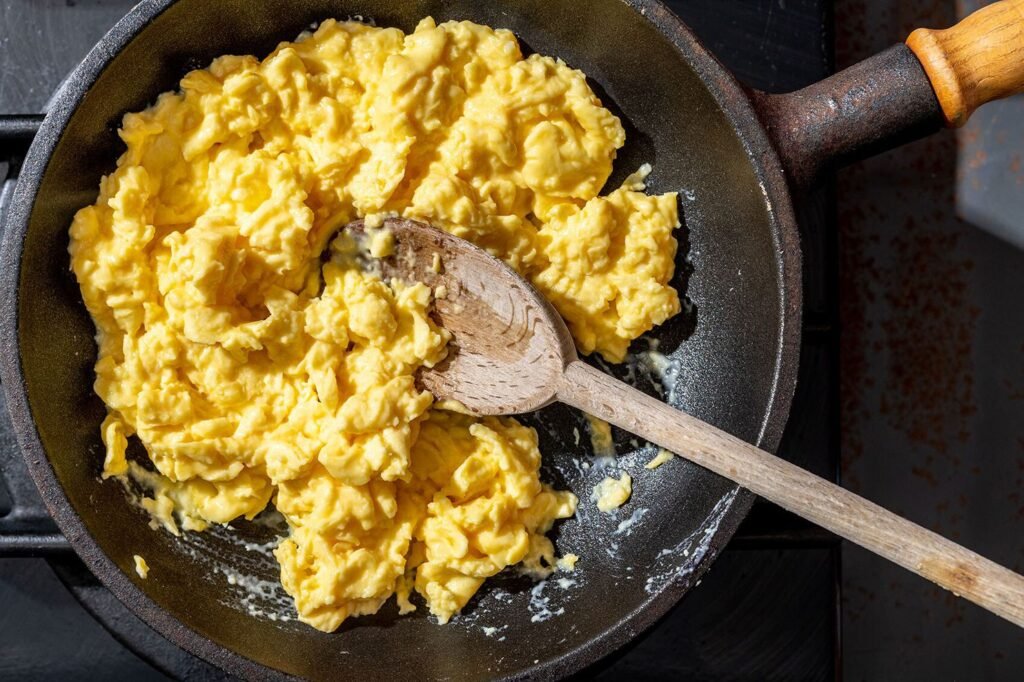
Scrambled eggs are the first thing most of us learn to cook and one of the last things we learn to cook well. The difference between rubbery, weeping scrambled eggs and fluffy, creamy ones is not talent. It is heat control, timing, and about three small technique choices that most recipes gloss over.
I spent years making mediocre scrambled eggs before a breakfast cook friend watched me and pointed out everything I was doing wrong in about ninety seconds. Everything below is what he taught me.
How Can I Make Fluffy Scrambled Eggs Every Time?
1. Beat Them Properly
Crack the eggs into a bowl and beat them until the whites and yolks are completely uniform, with no streaks. This takes longer than you think, a good 30 seconds of vigorous whisking. Add a pinch of salt now, not later; salting before cooking helps the proteins stay tender. A tablespoon of milk, cream, or water per two eggs adds steam that contributes to fluffiness. Water actually makes fluffier eggs than milk, though milk makes them richer. Your call.
2. Low and Slow Wins
This is the big one. High heat is the enemy of tender eggs. Melt butter in a nonstick or well-seasoned cast iron skillet over medium-low heat, add the eggs, and let them sit for about 20 seconds until the edges just begin to set. Then push the eggs gently with a spatula, folding the set portions toward the center and letting the raw egg flow to the edges. Slow, lazy folds, not frantic stirring. The whole process takes three to four minutes. If your eggs are done in 60 seconds, your heat was too high.
3. Take Them Off Early
Eggs keep cooking from residual heat after they leave the pan. Take them off when they look slightly underdone, still glossy and a touch wet. They will finish on the plate in the next minute. Eggs that look perfect in the pan are overcooked by the time you sit down. This carryover principle is the same reason you pull salmon off the heat early.
The Details That Separate Good From Great
- Use enough fat. A generous knob of butter or a slick of olive oil prevents sticking and adds richness. Skimping on fat is a false economy.
- Do not add cold mix-ins to the raw eggs. Cheese, vegetables, and meats go in near the end so they do not cool the eggs and interfere with cooking.
- Warm your plate. Cold plates seize up eggs instantly. A warm plate buys you precious minutes of perfect texture.
- Fresh herbs at the end. Chives, parsley, dill, or basil added off the heat add brightness. This is a great use for herbs you are keeping fresh longer.
- Season at the table too. Flaky salt and fresh cracked pepper over the finished eggs add texture and punch.
Variations Worth Trying
Creamy French-style: cook even lower and slower, stirring constantly, for soft, custardy curds. Finish with crème fraîche.
Fluffy diner-style: slightly higher heat and bigger folds for large, airy curds. This is the classic American breakfast plate.
Loaded scramble: sautéed vegetables, cheese, and maybe crumbled sausage folded in at the end. A complete meal in one pan, and a staple of budget-friendly high-protein meals.
Soft-scrambled on toast: barely-set eggs spooned over thick toast with butter. Simple and perfect.
Troubleshooting
Rubbery eggs: heat too high, cooked too long, or both. Go lower and slower next time.
Watery eggs: usually overcooked, which squeezes moisture out of the proteins, or vegetables that released water into the pan. Cook vegetables separately first.
Sticking: not enough fat, pan not preheated, or a pan whose nonstick coating has given up. Butter generously and make sure the pan is warm before the eggs go in.
Flat flavor: under-salted. Eggs need more salt than most beginners use. Salt the beaten eggs and finish with flaky salt.
For video demonstrations of the folding technique, Serious Eats has excellent egg guides, and The Kitchn covers the low-and-slow method step by step.
Buying and Storing Eggs Right
Great scrambled eggs start at the store. Check the date and give the carton a sniff test for any cracked eggs; one bad egg ruins the batch. In the US, eggs are washed and must be refrigerated; keep them in their carton on a middle shelf, not in the fridge door where temperatures fluctuate. Contrary to the old advice, the fresher the egg the better for scrambling; very fresh eggs have firmer whites that some cooks find harder to blend smoothly, but a thorough beating solves that. Room-temperature eggs cook more evenly, so take them out 15 minutes before cooking if you remember.
Next Egg Skills to Learn
Once scrambling is automatic, the egg world opens up. A proper French omelet, pale yellow and just set, is the next technique to master; it uses the same low-heat control. Fried eggs with crispy edges and runny yolks teach heat management in the other direction. Poached eggs look intimidating but need only fresh eggs, barely simmering water, and confidence. Soft-boiled eggs with a six-and-a-half-minute timer give you jammy yolks for grain bowls and ramen. Each technique builds on the same foundation: understanding how heat transforms egg proteins, and pulling them off just before you think they are done.
Egg FAQs
Brown eggs versus white eggs? Nutritionally identical. The color reflects the hen’s breed, not quality. Buy whichever is fresher or cheaper.
What are those white stringy bits? Chalazae, which anchor the yolk. Completely normal and edible; thorough beating dissolves them.
Should eggs be room temperature before cooking? It helps slightly for even cooking. Fifteen minutes on the counter is plenty; do not leave them out for hours.
Why do my scrambled eggs turn greenish? Overcooking. The green tint comes from iron and sulfur reacting at high heat; it is harmless but a sign to lower the heat.
Can I microwave scrambled eggs? You can, in short bursts with stirring, but the texture suffers. The stovetop method takes only a few minutes more and tastes dramatically better.
The takeaway: beat thoroughly, cook low and slow with lazy folds, and take them off the heat while they still look a touch wet. Three habits, and every batch comes out fluffy.






