
How to Store Leftovers Safely (and Keep Them Tasty)
Version 1.0.0
Most people store leftovers by shoving the pot in the fridge and hoping for the best. Sometimes that works out. Sometimes it produces a science experiment. The best way to store leftovers safely is not complicated, but it does require a few habits that most of us never picked up: cooling food quickly, using the right containers, and actually labeling things.
Proper storage does two jobs at once. It keeps food safe from bacterial growth, and it keeps food tasting good, because a lot of what makes leftovers unappetizing, dryness, off-flavors, freezer burn, is also a storage problem.
What Is the Best Way to Store Leftovers Safely?
Cool It Fast
Bacteria multiply fastest between 40°F and 140°F, so the goal is to move food through that zone as quickly as possible. Get leftovers into the fridge within two hours of cooking, or within one hour if your kitchen is above 90°F. For large batches like soups and stews, divide them into shallow containers; a deep pot can take six hours to cool in the center, spending most of that time in the danger zone. An ice bath, setting the pot in a sink of ice water and stirring occasionally, cools a big batch in under 30 minutes.
Choose the Right Containers
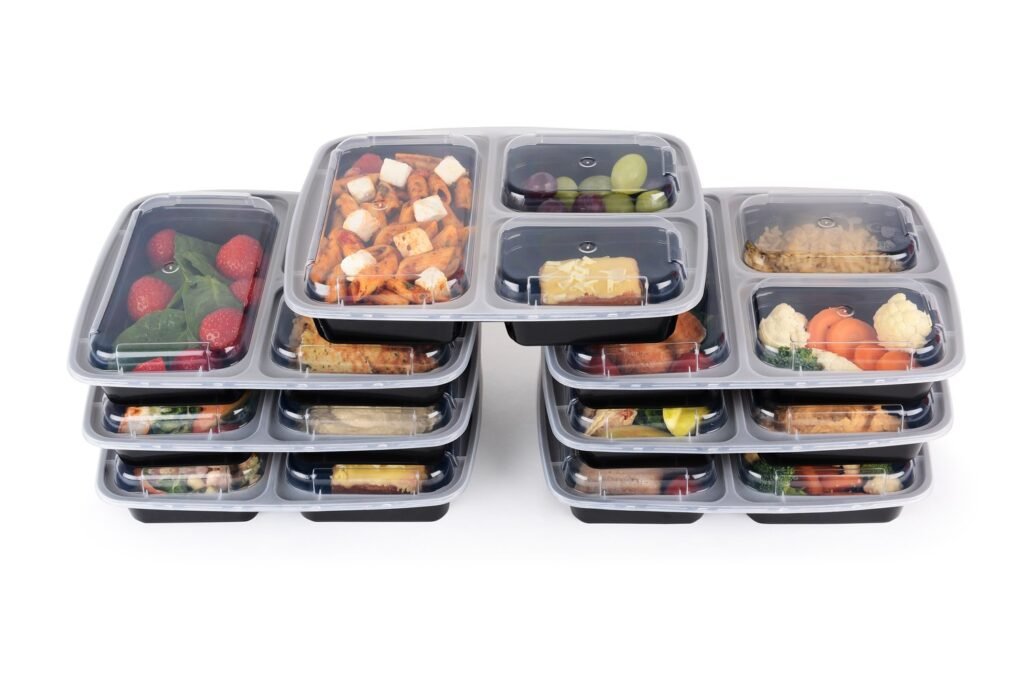
Shallow, airtight containers are the gold standard. Glass containers with locking lids are worth the investment: they do not stain, do not absorb odors, and go from fridge to microwave safely. Whatever you use, leave a little headspace for expansion if freezing, and make sure lids actually seal. A container that does not seal is just a fancy plate.
For soups and sauces, portion into individual servings before storing. It cools faster, reheats more evenly, and you only thaw what you need. Freezer bags laid flat save enormous space and thaw faster than rigid containers.
Label Everything
Masking tape and a marker. Five seconds. Date and contents on every container. This single habit eliminates the mystery-container problem and the “when did I make this?” guessing game that leads to food waste or food poisoning. Future you will be grateful.
Fridge vs. Freezer: The Decision
The rule of thumb is simple: if you will eat it within three to four days, refrigerate it. If not, freeze it on day one or two, not day four when you are already unsure. Most cooked foods keep their quality in the freezer for two to three months; beyond that they are still safe but the texture and flavor decline.
Almost everything freezes well except a few notorious exceptions: fried foods go soggy, cream-based sauces can separate, and raw vegetables like lettuce and cucumber turn to mush. Cooked pasta freezes okay but softens; slightly undercook it if you know it is headed for the freezer. Hard-boiled eggs get rubbery. Everything else is fair game.
Preventing Freezer Burn
Freezer burn is dehydration, not spoilage. Air is the enemy, so press bags flat and squeeze out every bit of air, or use a vacuum sealer if you freeze a lot. Double-wrap items you will store longer than a month. And freeze things quickly rather than gradually; a freezer set to 0°F or below does this automatically, so check your freezer temperature with a thermometer if you have never verified it.
Reheating Without Ruining Dinner
Thaw frozen leftovers in the fridge overnight, not on the counter, which brings us back to defrosting safely. Reheat to 165°F throughout and only reheat once. For best texture, the oven or stovetop beats the microwave for most things; add a splash of water or broth to revive dried-out proteins and grains. Soups should come to a full boil.
Good storage habits also make big-batch cooking practical, which is the whole premise of freezer meals for new parents and the reason meal preppers can eat well all week. And when something has been in the fridge a few days, the companion skill is knowing how to tell if leftovers are still safe to eat.
For official storage charts, FoodSafety.gov publishes the USDA’s cold storage timelines, and The Kitchn has practical container and organization guides.
Organizing Your Fridge and Freezer
Good storage is also about organization. In the fridge, keep leftovers on upper shelves where they are visible; out of sight is out of mind, and forgotten containers are wasted food. Use the “first in, first out” rule: new containers go behind older ones. Designate one shelf or bin as the leftovers zone so everything is in one place. In the freezer, lay bags flat until frozen, then file them upright like books; you can see every label at a glance instead of digging through a frozen archaeological dig. Keep a simple freezer inventory on the door, a whiteboard or a piece of paper, and cross items off as you use them. It takes seconds and prevents the mystery-bag problem.
What Not to Store Together
A few storage conflicts are worth knowing. Keep raw meat on the bottom shelf of the fridge, below all ready-to-eat foods, so drips cannot contaminate anything. Do not store onions and potatoes together; onions release gases that make potatoes sprout faster. Keep bananas away from other fruit for the same reason, as covered in the guide to keeping bananas from browning. Strong-smelling leftovers like fish or curry should be double-sealed so they do not perfume everything else. And never put hot food directly next to delicate items like dairy; the heat raises the surrounding temperature and shortens the life of everything nearby.
Storage FAQs
How many times can I reheat leftovers? Once. Each cooling and reheating cycle gives bacteria another opportunity, so portion out what you will eat and leave the rest undisturbed.
Can I freeze soup in glass jars? Yes, but leave at least an inch of headspace for expansion and cool the soup completely first. Straight-sided jars handle freezing better than shouldered ones.
Do I need to cool food before refrigerating? Cool it reasonably, but do not leave it out for hours waiting. Getting it into the fridge within two hours matters more than reaching room temperature first; divide into shallow containers to speed cooling.
How long does cooked meat last in the freezer? Two to three months for best quality; it remains safe indefinitely at zero degrees but the texture declines.
Is it safe to eat leftovers cold? Yes, provided they were stored properly and are within the three-to-four-day window. Reheating is about preference and killing surface bacteria, not a safety requirement for properly stored food.
The takeaway: cool quickly in shallow containers, seal airtight, label with the date, freeze what you will not eat in three days. Four habits, and leftovers become an asset instead of a gamble.






