
How to Keep Herbs and Spices Fresh Longer
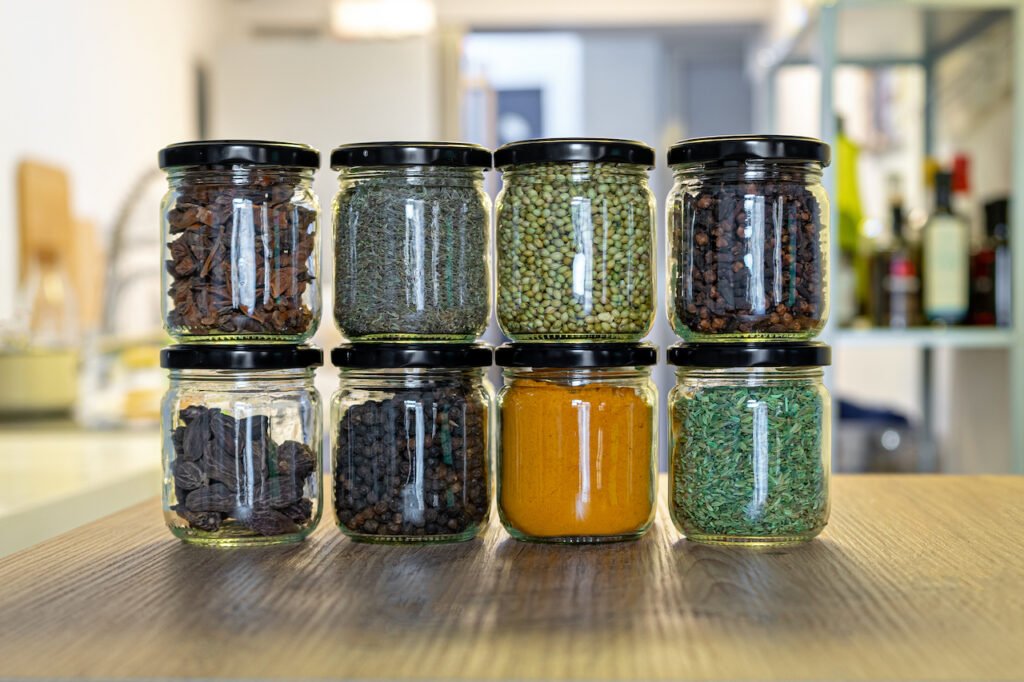
There is nothing sadder than a spice rack full of jars that all taste like dust, or a bunch of fresh cilantro that turned to slime two days after you bought it. Herbs and spices are the flavor engine of your kitchen, and keeping them fresh longer is mostly about understanding what destroys them: heat, light, air, and moisture for dried spices; and mishandling and dehydration for fresh herbs.
I used to replace my spice collection every few years in one expensive purge. Now I maintain it continuously, and my food tastes noticeably better for it.
How Do I Keep My Herbs and Spices Fresh Longer?
Dried Spices: The Enemies Are Heat, Light, and Air
Store dried spices in airtight containers away from heat and light. That means not in the cabinet directly above the stove, which is the worst possible spot despite being the most common one. Heat and steam from cooking degrade spices rapidly. A cool, dark cabinet or drawer is ideal.
Buy whole spices when you can. Whole peppercorns, cumin seeds, and cinnamon sticks stay potent for two to three years, while their ground versions fade within a year. A cheap spice grinder or even a dedicated coffee grinder lets you grind what you need in seconds, and the flavor difference is dramatic. Freshly ground cumin tastes like a different spice than the pre-ground jar.
Date your jars. When you open a new spice, write the date on the lid with a marker. Ground spices get one year; whole spices get two to three; dried herbs like oregano and basil get about a year. When in doubt, use the crush-and-sniff test: crush a pinch in your palm, and if the aroma is faint, replace it.
Buy small quantities. Those giant warehouse-store spice jars are a false economy for most home cooks, because you will never use them before they fade. Small jars from the bulk bins, where you buy exactly what you need, are fresher and cheaper in practice.
Fresh Herbs: Treat Them Like Flowers
Most fresh herbs last dramatically longer with the bouquet method. Trim the stems, place the bunch in a jar with an inch of water like flowers, cover loosely with a plastic bag, and refrigerate. Parsley, cilantro, mint, and dill treated this way last two to three weeks instead of a few days. Change the water every few days.
Basil is the exception: it hates the cold and turns black in the fridge. Keep basil on the counter in water, like a houseplant, and it stays happy for a week or more. Rosemary, thyme, and oregano are hardier; wrap them in a slightly damp paper towel inside a zip-top bag in the fridge.
Freezing Herbs for Long-Term Storage
When you have more fresh herbs than you can use, freeze them. Chop soft herbs like basil, parsley, or cilantro, pack them into ice cube trays, cover with olive oil or water, and freeze. Pop out a cube whenever you need herbs for cooking. They will not work as garnish, the texture goes limp, but for sauces, soups, and sautés they are excellent. Woody herbs like rosemary and thyme can be frozen whole in bags.
Drying is another option for herbs like oregano, thyme, and rosemary. Tie them in bundles and hang them upside down in a cool, dark, airy spot for one to two weeks, then crumble into jars. Home-dried herbs beat store-bought on freshness every time.
Growing Your Own: The Ultimate Freshness Hack
A small pot of basil, mint, or parsley on a sunny windowsill gives you fresher herbs than any store, for pennies. Mint is nearly indestructible but plant it in its own pot because it will take over anything it touches. Basil needs consistent water and pinching to stay bushy. Even a tiny herb garden pays for itself within weeks if you cook with fresh herbs regularly.
Putting Fresh Flavor to Work
Fresh herbs are transformative in homemade salad dressings, where they provide brightness that dried herbs cannot match. They finish fluffy scrambled eggs beautifully, and they are essential to the bold seasoning behind the essential spices every home cook should have. Once your herbs stay fresh, you will reach for them constantly.
For herb-by-herb storage charts, The Kitchn has excellent guides, and Better Homes & Gardens covers indoor herb gardening for beginners.
Your Spice Freshness Calendar
Make replacement painless with a simple annual rhythm. Every January, or whatever month you choose, do a spice audit: open each jar, crush and sniff, and replace anything faded. It takes twenty minutes and costs less than you fear, especially if you buy from bulk bins. Replace the high-use spices, the ones you reach for weekly, even more often; paprika, cumin, and chili powder that you use constantly deserve fresh jars yearly without question. Whole spices get checked every two years. Write the replacement month on a piece of tape inside the cabinet door so you never have to remember.
Can You Revive Stale Spices?
Partly. Toasting whole spices in a dry skillet for a minute or two wakes up faded ones noticeably; the heat releases remaining volatile oils. This works for cumin seeds, coriander, peppercorns, and mustard seeds. For ground spices, blooming them in hot oil at the start of cooking extracts more flavor than adding them to liquid; this is why Indian cooking tempers spices in oil first. But these are rescues, not cures. A truly dead spice, one with no aroma even when crushed, cannot be revived. Compost it and replace it. And never try to compensate for stale spices by doubling the amount; you get dustiness, not flavor.
Herb and Spice FAQs
What is the dried-to-fresh herb conversion? One tablespoon fresh equals about one teaspoon dried. Dried herbs are more concentrated, so use less.
Can I reuse bay leaves? No. They give up their flavor in one use; a reused bay leaf contributes nothing.
Should I store spices in the freezer? For long-term storage of bulk spices, yes; the freezer preserves volatile oils well. But avoid repeated freeze-thaw cycles, which introduce moisture. Portion first.
Do spice expiration dates matter? They are quality dates, not safety dates. Old spices will not hurt you; they just will not help your food much either.
Why do my fresh herbs wilt so fast in the fridge? Usually excess moisture or ethylene from nearby produce. The bouquet method in water, away from ethylene-producing fruit, solves most of it.
The takeaway: cool, dark, and airtight for dried spices; the bouquet method for soft fresh herbs; freeze the surplus. Your food will taste like you seasoned it with intention, because you did.






