
The Best Dairy-Free Alternatives for Cooking
Whether it is lactose intolerance, a milk allergy, or just a dietary choice, cooking without dairy used to mean sad substitutions and compromised results. Not anymore. The dairy-free alternatives available now are genuinely good, and knowing which one to use where is the difference between a seamless swap and a dish that tastes like a compromise.
The key insight is that there is no single best dairy-free alternative. The best choice depends entirely on what the dairy was doing in the recipe: adding richness, providing protein, creating creaminess, or just adding moisture.
What Are the Best Dairy-Free Alternatives for Cooking?
Milk Replacements
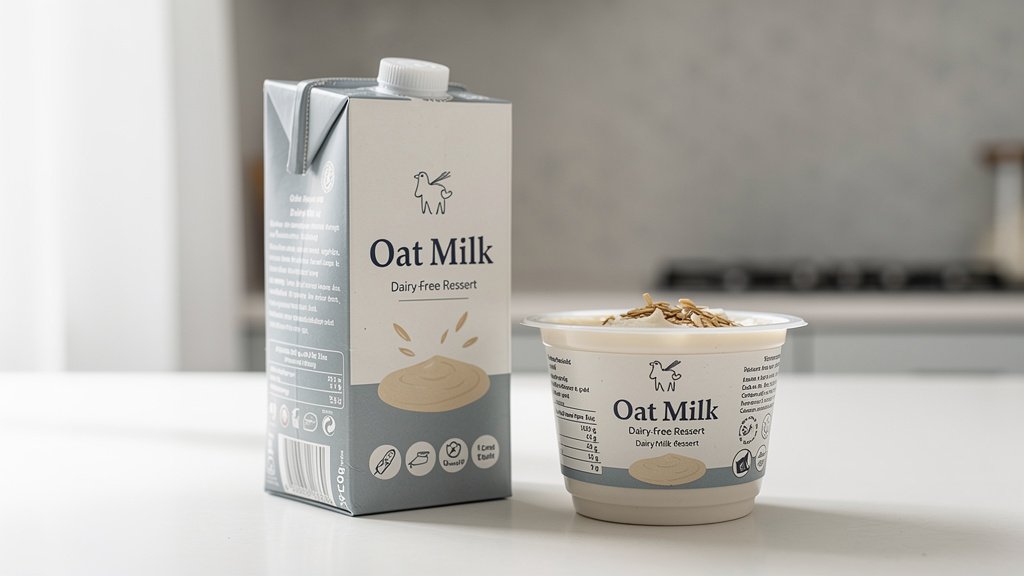
Oat milk is the best all-purpose cooking milk for most people. It is creamy, neutral in flavor, and does not separate when heated, which makes it reliable in sauces, soups, and baking. Soy milk has the most protein, closest to dairy milk, and works well anywhere protein matters, like custards. Almond milk is thinner and lightly nutty; fine for smoothies and cereal, less ideal for creamy sauces. Coconut milk, the canned full-fat kind, is rich and distinctively flavored; perfect for curries and some desserts, wrong for a béchamel. For baking, any unsweetened, unflavored milk alternative works one-for-one.
Butter Replacements
For most cooking, a good vegan butter, the stick kind rather than the tub, substitutes one-for-one and even browns reasonably well. For baking, stick vegan butters with a high fat content give the best results; check the label, since some are mostly water. Coconut oil works in many baked goods and adds a subtle coconut note that suits some recipes beautifully. For savory cooking, olive oil or avocado oil often replaces butter entirely with no loss.
Cream Replacements
Full-fat canned coconut milk is the workhorse here; it whips, it reduces into rich sauces, and it makes excellent dairy-free ice cream. Cashew cream, just soaked cashews blended with water until silky, is the most neutral-tasting option and disappears into savory sauces completely. It is also the base for the best dairy-free alfredo-style sauces. For a lighter option, blended silken tofu creates creamy soups and sauces with added protein. These are the same principles behind making creamy pasta sauce without heavy cream, taken one step further.
Cheese Replacements
This is the hardest category, and honesty matters: no dairy-free cheese melts and stretches exactly like dairy cheese. That said, the gap has narrowed enormously. For melting, look for brands specifically formulated to melt; they use starches and oils that behave better under heat. Nutritional yeast does not replace cheese, but its savory, cheesy flavor is excellent in sauces, popcorn seasoning, and anywhere you want umami depth. For parmesan-style topping, blended cashews with nutritional yeast, salt, and garlic powder is surprisingly convincing. For cream cheese applications like frostings and dips, the cultured nut-based versions are genuinely good.
Yogurt and Sour Cream Replacements
Coconut-based and oat-based yogurts are the creamiest options for eating straight or using in smoothies. For cooking, unsweetened soy yogurt has the protein and tang closest to dairy yogurt. Cashew-based sour cream alternatives work well as toppings and in dips. In baking, any plain dairy-free yogurt substitutes one-for-one for moisture and tenderness.
Tips for Successful Dairy-Free Cooking
- Read labels for “unsweetened” and “unflavored.” Vanilla almond milk in mashed potatoes is a mistake you make once.
- Match the fat content to the job. Light coconut milk will not make a rich curry; full-fat will.
- Add dairy-free cheese off the heat. Most melt better into hot food off the burner than under sustained high heat.
- Taste as you go. Different brands vary enormously, so season to the actual product in your pan.
- Keep a few staples stocked. Oat milk, canned coconut milk, raw cashews, and nutritional yeast cover most cooking needs.
When Dairy-Free Tastes Better
Some dishes are actually improved by the swap. Coconut milk makes a better curry base than dairy cream. Olive oil makes a fruitier, more interesting cake than butter in recipes designed for it. Cashew cream makes a lighter, cleaner-tasting alfredo. The goal is not always imitation; sometimes it is finding the version that stands on its own.
Dairy-free cooking pairs naturally with smoothies that keep you full, where plant milks and nut butters shine. For product comparisons and nutrition details, Healthline’s nutrition section reviews dairy alternatives thoroughly, and Better Homes & Gardens has tested dairy-free baking substitutions.
Baking Dairy-Free: What Actually Changes
Baking is where dairy-free swaps need the most care, because dairy does structural work in baked goods. Milk is the easiest swap: any unsweetened plant milk works one-for-one. Butter is trickier; use stick-style vegan butter with high fat content for cookies and pastries where butter’s flavor and structure matter, and neutral oil for muffins and quick breads where it does not. Buttermilk can be faked with plant milk plus a tablespoon of lemon juice or vinegar per cup; let it curdle for five minutes. Eggs are a separate question from dairy, but if you are avoiding both, commercial egg replacers or flax eggs work in most recipes. Expect a learning curve of two or three bakes before your results match the dairy versions.
Eating Out and Label Reading
Cooking at home is controllable; the wider world requires vigilance. Dairy hides under dozens of names: whey, casein, lactose, nougat, and “natural flavors” can all signal milk. Baked goods, sauces, and fried foods are the highest-risk categories when eating out. When in doubt, ask; restaurant staff deal with dairy allergies constantly and usually know what is safe. For packaged foods, the allergen statement is your friend in the US, where milk is a top-nine allergen that must be declared. Over time, label reading becomes second nature, and you develop a mental safe list of brands and products.
Dairy-Free FAQs
What is the best dairy-free milk for coffee? Oat milk, specifically barista editions formulated to steam and not separate. They are creamier and more heat-stable than standard versions.
Can I make whipped cream without dairy? Yes. Chill a can of full-fat coconut milk overnight, scoop the solid cream, and whip it with a little sugar. Aquafaba, chickpea liquid, also whips surprisingly well.
Do dairy-free cheeses melt? Some do, some do not. Look for brands specifically formulated for melting, and add them off the heat for best results.
Is ghee dairy-free? Not strictly; it is clarified butter with most milk solids removed. Many lactose-intolerant people tolerate it, but those with milk allergies should avoid it.
What about eggs? Eggs are not dairy, despite the confusion. Dairy means milk products; eggs are fine for dairy-free diets unless you are also avoiding eggs separately.
The takeaway: match the alternative to the job, keep oat milk and coconut milk stocked, and do not expect one product to do everything. Cook with the strengths of each alternative and nobody will miss the dairy.






