
How to Make a Smoothie That Actually Keeps You Full
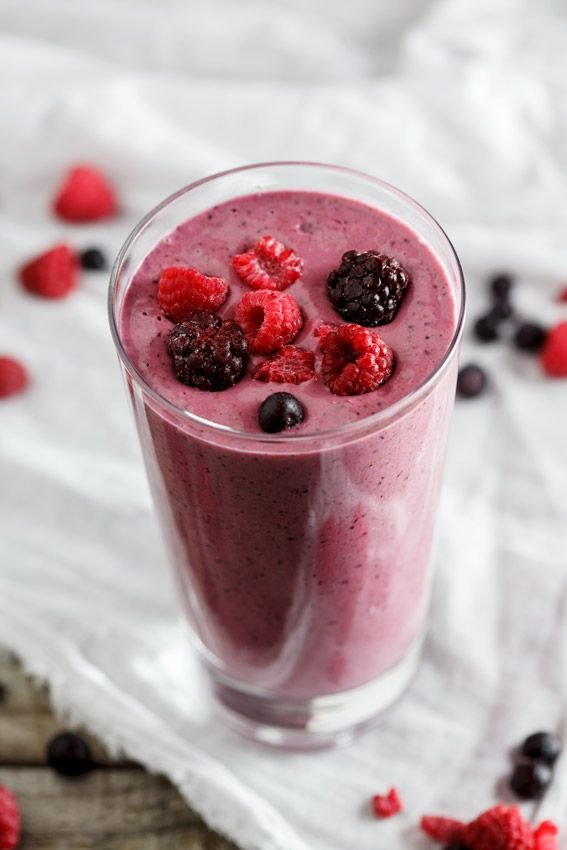
Most smoothies are a nutritional bait-and-switch. They taste like a milkshake, spike your blood sugar like a milkshake, and leave you hungry an hour later like you drank a milkshake. If you have ever wondered how to make a smoothie that actually keeps you full, the answer is that satiety comes from three things: protein, fiber, and fat. A smoothie missing all three is just expensive fruit juice with better marketing.
I drank sad, unsatisfying smoothies for years before I figured out the formula. Now my morning smoothie keeps me full until lunch, every time.
How Do I Make a Smoothie That Actually Keeps Me Full?
The Formula: Protein Plus Fiber Plus Fat
Aim for at least 20 grams of protein, 8 to 10 grams of fiber, and a solid source of healthy fat. Hit those numbers and the smoothie behaves like a real meal instead of a snack. Miss them and you will be raiding the pantry by 10 a.m.
Protein: The Non-Negotiable
Greek yogurt is the easiest whole-food protein base, with 15 to 20 grams per cup. A scoop of protein powder adds 20 to 25 grams with no fuss; whey, casein, and pea protein all blend well. Silken tofu disappears completely into smoothies and adds about 10 grams per half cup without changing the flavor. Cottage cheese sounds weird but blends silky and adds 14 grams per half cup. Pick one or combine two.
Fiber: The Slow-Release Engine
Fiber slows digestion and keeps you full longer. Rolled oats are the secret weapon: a quarter to a half cup adds 4 to 5 grams of fiber and makes the smoothie thick and creamy. Chia seeds and ground flaxseed each add about 5 grams of fiber per two tablespoons, plus omega-3s. Whole fruit beats fruit juice every time; berries, with their seeds and skins, are the highest-fiber choice. A tablespoon of psyllium husk is the nuclear option for fiber, but start small because it thickens aggressively.
Fat: The Satisfaction Factor
Fat triggers satiety hormones and makes the smoothie taste rich. A tablespoon or two of peanut or almond butter is the classic choice. Half an avocado makes any smoothie unbelievably creamy without adding any detectable avocado flavor. A handful of walnuts or a tablespoon of coconut oil works too. You do not need much; fat is calorie-dense, so measure it.
Liquid: Keep It Simple
Milk, soy milk, or any milk alternative works. Soy milk has the most protein of the plant milks. Avoid fruit juice as the liquid; it adds sugar without fiber and defeats the purpose. Water works fine if the other ingredients are flavorful enough.
Three Formulas That Work
The classic: frozen banana, frozen berries, Greek yogurt, peanut butter, oats, milk. About 30 grams of protein, 10 grams of fiber, endlessly drinkable. Those frozen banana slices you saved by learning how to keep bananas from browning are perfect here.
The green one that does not taste green: spinach, frozen mango, vanilla protein powder, half an avocado, chia seeds, coconut water or milk. The mango completely hides the spinach. You get the nutrients without the lawn clippings experience.
The dessert one: frozen banana, cocoa powder, peanut butter, chocolate protein powder, oats, milk. Tastes like a peanut butter milkshake, keeps you full for hours. This is the one that converts smoothie skeptics.
Mistakes That Sabotage Satiety
- All fruit, no protein. The most common failure. Fruit alone digests fast and spikes blood sugar.
- Juice as the base. All of the sugar, none of the fiber.
- Skipping the fat. A fat-free smoothie tastes thin and leaves you unsatisfied.
- Too much honey or agave. Whole fruit is sweet enough. Added sugars just spike the glycemic load.
- Drinking it in 30 seconds. Satiety signals take about 20 minutes to register. Sip slowly.
Make-Ahead Strategies
Smoothie packs are the meal-prep version: portion all the solid ingredients into freezer bags, and in the morning dump a bag in the blender with liquid. Five minutes of Sunday prep gives you a week of breakfasts. This fits naturally into a routine of budget-friendly high-protein meals, since the ingredients overlap heavily. If you are avoiding dairy, the best dairy-free alternatives for cooking include milk and yogurt swaps that work in smoothies too.
For protein powder comparisons, Healthline’s nutrition section has thorough reviews, and Better Homes & Gardens has a large smoothie recipe collection.
Smoothies for Kids
The same formula works for children, with a few tweaks. Kids often reject visible greens, so stick with spinach hidden in berry blends where the color and flavor disappear. Let them choose the fruit; ownership increases acceptance dramatically. Keep the texture thick enough to feel like a treat, and serve it with a fun straw and a name like “purple monster shake.” A smoothie with Greek yogurt, berries, banana, and peanut butter delivers protein and nutrients that picky eaters might otherwise miss, and it beats the sugary alternatives they would choose themselves. Avoid protein powders marketed to adults for young children; whole-food protein sources are the better choice.
Pre-Workout vs. Post-Workout Smoothies
Timing changes the formula. Before a workout, you want quick energy without heaviness: fruit, a little yogurt, and liquid, consumed 60 to 90 minutes ahead. Skip the heavy fats and fiber right before exercise; they digest slowly and can cause discomfort. After a workout, flip the priorities: protein becomes the star for muscle recovery, with 25 to 30 grams as the target, plus carbohydrates to replenish energy. Chocolate milk, the original recovery drink, works on the same principle. A post-workout smoothie with protein powder, banana, oats, and milk hits every recovery need in one glass.
Smoothie FAQs
Can a smoothie replace a meal? Yes, if it is built like one: 20-plus grams of protein, solid fiber, and some healthy fat. A fruit-only blend is a snack, not a meal.
Are smoothies good for weight loss? They can be, because a well-built smoothie is filling for relatively few calories. But liquid calories are easy to overdo; measure calorie-dense additions like nut butter and honey.
When is the best time to drink one? Whenever it replaces a worse choice. Mornings work for most people, and post-workout is ideal for the protein-rich versions.
Fresh or frozen fruit? Frozen, for smoothies. It is picked ripe, it is cheaper, and it makes the texture thick without watering it down with ice.
Do I need a fancy blender? A basic blender handles soft fruits and yogurt fine. Frozen fruit, ice, and seeds demand more power; if your blender struggles, add liquid first and blend in stages.
The takeaway: protein plus fiber plus fat, at least 20 grams of the first, and whole fruit instead of juice. Build every smoothie on that formula and hunger stops being a problem.







1 thought on “How to Make a Smoothie That Actually Keeps You Full”