
Easy Slow Cooker Recipes for Beginners
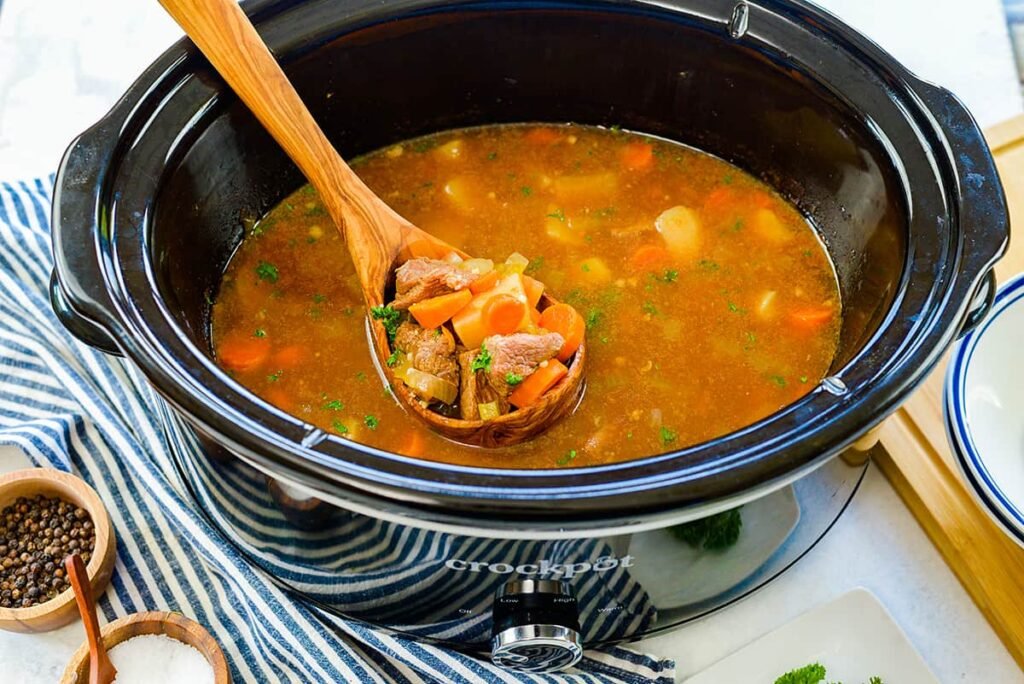
The slow cooker is the most forgiving appliance in your kitchen. It is almost impossible to burn anything in it, timing is flexible by hours rather than minutes, and it turns cheap cuts of meat into tender, shreddable dinners while you are at work. For beginners, the best slow cooker recipes are the ones with short ingredient lists, no pre-searing, and flavors that only get better with time.
I resisted the slow cooker for years because I associated it with bland church-potluck food. Then I tried a proper carnitas recipe and realized the appliance was never the problem. The recipes were.
What Are the Best Slow Cooker Recipes for Beginners?
1. Salsa Chicken
Chicken breasts, a jar of salsa, a packet of taco seasoning. Cook on low for six hours, shred with two forks. That is the entire recipe, and it makes excellent tacos, burrito bowls, and quesadillas. It is the perfect first slow cooker recipe because it is nearly impossible to mess up.
2. Pulled Pork
A pork shoulder rubbed with salt, pepper, garlic powder, and smoked paprika, cooked on low for eight to ten hours until it collapses at the touch of a fork. Shred it, toss with barbecue sauce, and pile it on buns. Pork shoulder is cheap, fatty enough to stay moist through the long cook, and feeds a crowd.
3. Beef Chili
Ground beef, or better yet chuck cut into chunks, with beans, tomatoes, onion, and chili seasoning. Low for seven to eight hours. Chili is one of those dishes where the slow cooker genuinely outperforms the stovetop, because the long, gentle simmer melds the flavors in a way rushing cannot.
4. Chicken Tortilla Soup
Chicken breasts, black beans, corn, diced tomatoes, onion, and taco seasoning in chicken broth. Low for six hours, shred the chicken, and serve with tortilla strips, avocado, and lime. Hearty, healthy, and endlessly reheatable.
5. Pot Roast With Vegetables
A chuck roast surrounded by potatoes, carrots, and onions, with beef broth and a packet of onion soup mix. Low for eight hours. The vegetables absorb the beefy broth and the meat becomes spoon-tender. This is Sunday dinner with ten minutes of morning effort.
6. Vegetarian Lentil Curry
Red lentils, coconut milk, curry powder, onion, and vegetable broth. Low for six hours. Red lentils break down into a thick, creamy curry with no dairy needed. Serve over rice. This one belongs in any rotation of vegetarian dinners even meat lovers enjoy.
7. Steel-Cut Oatmeal
Steel-cut oats, milk or water, a pinch of salt, cooked on low overnight. Wake up to hot breakfast. Use a timer or a cooker with an automatic warm setting so it does not overcook. Top with brown sugar, fruit, and nuts.
Rules That Guarantee Good Results
- Do not lift the lid. Every peek drops the temperature significantly and adds 15 to 20 minutes to the cook time. Trust the timer.
- Fill it halfway to three-quarters full. Too empty and food overcooks; too full and it cooks unevenly.
- Layer smart. Dense root vegetables on the bottom where it is hottest, meat on top.
- Dairy goes in last. Milk, cream, and cheese can curdle over long cooks. Stir them in during the last 30 minutes.
- Reduce liquid. Slow cookers trap all moisture, so use about half the liquid you would on the stovetop.
- Brown when it matters. Searing meat first adds flavor, but for beginner recipes it is optional. Do not let anyone tell you it is mandatory.
Food Safety Basics
Never put frozen meat in a slow cooker; it spends too long in the bacterial danger zone. Always defrost meat safely first. Keep the lid on, do not use the warm setting to cook, and refrigerate leftovers within two hours. The same care you use in judging whether leftovers are safe applies to that big batch of chili on day four.
Many of these recipes also work beautifully as freezer meals: assemble the raw ingredients in a bag, freeze, then dump into the cooker on a busy morning. For tested times and temperatures, Taste of Home has a massive slow cooker collection, and The Kitchn covers technique well.
Converting Your Favorite Recipes
Almost any braised, stewed, or soup recipe can be adapted. The conversion rules: reduce liquid by about half, since nothing evaporates; keep the same seasonings but consider increasing them slightly, since long cooking mellows flavors; add dairy, fresh herbs, and delicate vegetables in the last 30 minutes; and convert times to low for seven to eight hours or high for three to four. Tough cuts of meat, chuck, shoulder, shanks, are ideal; lean cuts like chicken breast work but dry out if overcooked, so add them later or use thighs instead. Pasta and rice go in near the end or cook separately; hours in the cooker turn them to mush.
Cleaning and Caring for Your Slow Cooker
Never submerge the base unit in water; it contains the heating element and electronics. The ceramic insert and lid are usually dishwasher safe, but hand washing extends their life. For stuck-on food, fill the insert with warm soapy water and let it soak; avoid abrasive scrubbers on nonstick inserts. Slow cooker liners, the plastic bags sold for this purpose, make cleanup nearly zero-effort and are worth it for messy recipes like chili. If your cooker develops a white film, a paste of baking soda and water removes it. And check the seal and cord periodically; a cooker that cannot hold temperature is a food safety risk, not just an inconvenience.
Slow Cooker FAQs
Is it safe to leave a slow cooker unattended? Yes, that is what it is designed for. Modern cookers are built for all-day unattended cooking; just follow the recipe times and keep the lid on.
Can I convert high to low and vice versa? Roughly: one hour on high equals two hours on low. But low gives better results for tough meats, so convert downward when you have the time.
What does the warm setting do? It holds cooked food at a safe temperature for a few hours. It is not for cooking; food held on warm too long dries out.
Why is my food watery? Slow cookers trap all moisture. Use less liquid than stovetop recipes, and remove the lid for the last 30 minutes if you need to reduce.
Can I put the insert directly on the stove? Only if it is explicitly stovetop-safe; most ceramic inserts are not. Check your manual before trying.
The takeaway: start with salsa chicken, respect the lid, layer dense vegetables on the bottom, and add dairy at the end. The slow cooker rewards simplicity, so keep your first recipes simple and let the appliance do what it does best.






