
How to Improve Your Balance as You Age
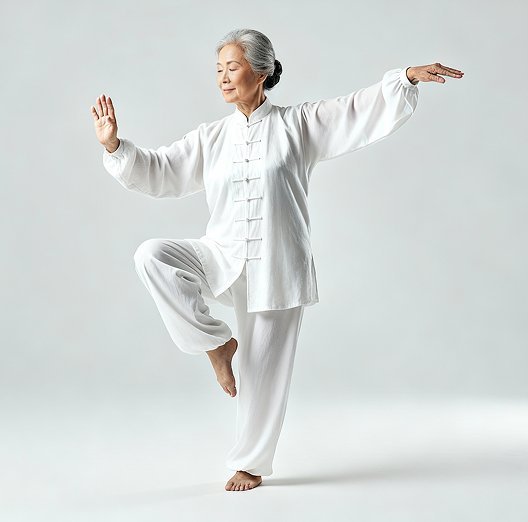
You used to bound down stairs two at a time. Now you grip the railing and think about each step. Nobody told you balance was a use-it-or-lose-it skill — but it is, and most of us have been quietly losing it for years by sitting all day. If you’re asking how can I improve my balance as I get older, here’s the encouraging truth: balance is one of the most trainable physical abilities at any age. People in their 80s and 90s measurably improve theirs with practice. And it matters enormously, because falls are the leading cause of injury for older adults — and most falls are preventable.
How to Improve Your Balance as You Get Older
Balance isn’t one thing — it’s your brain integrating three systems: vision, the vestibular system in your inner ears, and proprioception (your body’s sense of where it is in space, fed by sensors in muscles and joints). Aging dulls all three gradually, and inactivity accelerates the decline. The good news: targeted practice sharpens the integration. Your brain is remarkably plastic here — challenge the system and it adapts, at any age.
The National Institute on Aging’s balance exercise guide for older adults recommends starting with these fundamentals:
- Single-leg stands. Hold a sturdy chair, lift one foot, and balance for 10 seconds. Work up to 30 seconds, then try without holding on. Do both legs — imbalances between sides are common and worth knowing about.
- Heel-to-toe walking. Walk in a straight line placing the heel of one foot directly in front of the toes of the other, like a sobriety test. Twenty steps, arms out if needed. This challenges dynamic balance — the kind you actually use in daily life.
- Weight shifts. Stand with feet hip-width apart, slowly shift all your weight to one side, lift the other foot slightly, hold, and switch. Simple, safe, and surprisingly effective.
- Back leg raises and side leg raises. Holding a chair, slowly lift one leg behind you (don’t lean forward), then out to the side. These strengthen the hip and glute muscles that catch you when you stumble.
- Tai chi. If you do one thing beyond the basics, make it this. Multiple large studies show tai chi reduces fall risk in older adults by significant margins — the slow weight shifts and mindful movement are essentially balance training disguised as meditation.
Strength: Balance’s Secret Partner
Here’s what balance programs often underemphasize: when you actually trip, what saves you isn’t elegant equilibrium — it’s leg strength. Catching yourself requires your quadriceps, glutes, and calves to fire hard and fast. Weak legs turn stumbles into falls. That’s why the best fall-prevention programs combine balance work with strength training: chair squats, step-ups, calf raises, and the knee-friendly exercises that build support without aggravating joints. Two strength sessions a week transforms your stumble-recovery capacity.
Don’t neglect your feet and ankles, either. Ankle mobility and foot strength are the foundation everything stacks on. Calf stretches, ankle circles, and simply walking barefoot on varied surfaces (grass, sand) wake up the proprioceptors that shoes put to sleep. And check your footwear: worn-out soles, floppy slippers, and high heels are fall hazards masquerading as shoes. Supportive, well-fitting footwear with non-slip soles is genuine safety equipment.
Train Your Eyes and Ears Too
Since balance depends on vision and the vestibular system, maintain both. Get your eyes checked annually — outdated prescriptions and cataracts silently degrade the visual input your balance relies on. For the vestibular system, practice deliberately challenging it: stand on one leg with eyes closed (near a wall!), turn your head side to side while walking, or try the “clock reach” — imagine standing in the center of a clock and reaching one foot toward different numbers. These exercises feel wobbly at first, and that’s the point: the wobble is your brain learning.
Make Your Environment Fall-Proof
Training your body is half the equation; the other half is removing the traps. Most falls happen at home, and the fixes are unglamorous but effective: secure or remove throw rugs (the number-one culprit), add grab bars in the bathroom, improve lighting everywhere (especially stairs — nightlights are cheap insurance), keep cords off walkways, and put everyday items within easy reach so you’re not climbing on chairs. Review medications with your doctor or pharmacist annually — dizziness and lightheadedness are common side effects, and sometimes a simple medication adjustment eliminates the problem.
Stay active overall, because general fitness underpins everything. A daily 30-minute walk maintains the leg strength, joint mobility, and cardiovascular health that balance depends on. And since falls often happen when rushing, build the habit the morning-routine folks swear by: becoming a morning person means you’re not stumbling through dark hallways half-awake — genuinely one of the simpler fall-prevention strategies.
Make It Social (the Adherence Secret)
The research on exercise adherence is clear: people who train with others stick with it far longer than solo exercisers. For balance training specifically, a tai chi class, a senior fitness group, or even a walking buddy provides the accountability that turns “I should” into “I did.” Many community centers and YMCAs offer balance-focused classes designed for older adults — often free or cheap, always social. If classes aren’t your thing, recruit a friend for the home routine; the single-leg stand challenge is more fun (and safer, with a spotter nearby) as a shared activity. The best balance program is the one you actually do, and social connection is the most reliable adherence tool ever studied.
The Practical Takeaway
Start today: single-leg stands while brushing your teeth (two minutes, twice a day, zero extra time required). Add heel-to-toe walking and tai chi or a balance class this month. Strengthen your legs twice a week, fix the throw rugs, and get your eyes checked. Balance is a skill, skills respond to practice, and every decade of life is the right decade to start. The goal isn’t perfection — it’s catching yourself the next time you stumble instead of hitting the floor.






