How to Find Adult Recreational Sports Leagues Near You
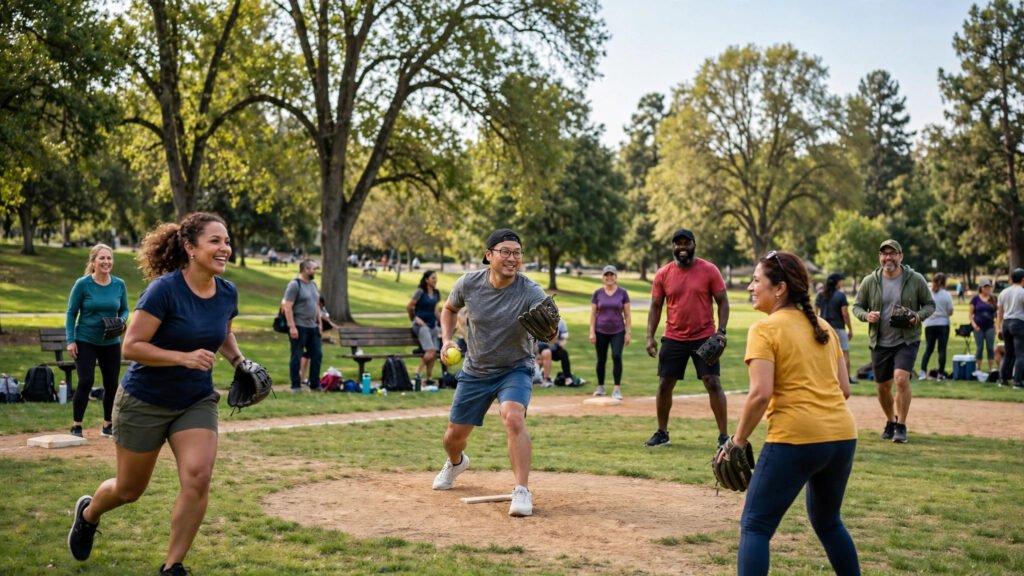
Somewhere between your competitive athlete days (or the ones you imagined having) and your current routine of work-couch-repeat, there’s a gap that adult recreational sports leagues fill perfectly. Millions of American adults play in organized rec leagues — softball, soccer, basketball, volleyball, pickleball, kickball — and the benefits go hilariously beyond fitness: new friends, weekly structure, an identity beyond your job title, and the particular joy of being gloriously mediocre at something with other adults.
This guide shows you how to find the right league, what to expect as a beginner or returner, how much it costs, and how to thrive in your first season.
Why Adult Rec Leagues Are Having a Moment
The surge is real and explainable. Remote work untethered people from office social life, the loneliness epidemic made structured socializing precious, and sports like pickleball lowered the athletic bar to “can you stand and swing?” Rec leagues solve the adult friendship problem elegantly — making friends as an adult is notoriously hard, but weekly shared activity with the same people is the most reliable friendship engine ever studied. You don’t find friends and then play; you play, and friends happen.
The fitness is almost a side effect — and a good one. A weekly game plus the motivation to stay in shape for it beats most gym routines on adherence, because social accountability outperforms willpower. Exercise you look forward to is exercise you’ll still be doing in five years.
Where to Find Leagues Near You
City and county parks & recreation departments: the best starting point — affordable, well-organized, genuinely recreational divisions, and searchable on your municipality’s website. Most offer multiple skill tiers per sport. Registration typically opens seasonally and fills fast; mark the dates.
National league organizers: companies running leagues in dozens of cities (volo, ZogSports, and regional equivalents) offer polished experiences — consistent schedules, referees, post-game social events — at higher prices. Great for transplants who want instant community.
Sport-specific organizations: USA Pickleball, US Adult Soccer Association affiliates, and similar bodies list local clubs and ladders. For niche sports, these are often the only organized option.
Meetup and social apps: casual pickup games and beginner-friendly groups — lower commitment, good for testing a sport before joining a formal league. Quality varies, but the price (often free) is right for experimentation.
Workplaces, churches, and alumni networks: intramural-style leagues with built-in social circles. Ask around — these are often invisible to outsiders but welcoming to newcomers.
Specialty facilities: climbing gyms, volleyball centers, and sports complexes run their own leagues with excellent facilities. Pricier, but the experience quality is high.
Choosing the Right Sport and Division
Match the sport to your body, schedule, and social goals. Lowest barrier: kickball, softball (recreational divisions), pickleball, cornhole leagues — minimal skill required, maximum socializing. Best workout: soccer, basketball, ultimate frisbee — prepare to be humbled and exhilarated. Most social: volleyball, softball, kickball — natural conversation breaks built into the game. Year-round options: indoor volleyball, basketball, pickleball — weather-independent consistency.
Division honesty matters enormously: join the recreational or beginner division even if you played in high school — adult competitive divisions contain former college athletes who will ruin your Tuesday. There’s no shame in the C league; the shame is in the B league player who makes everyone miserable. When in doubt, start lower — you can always move up, and dominating (gently) is more fun than drowning.
What It Costs (and What’s Worth Paying For)
Typical season costs: municipal leagues $50–$150 per player per season (the bargain of adult life); organized commercial leagues $100–$250; specialty facilities higher. Teams often split costs, and many leagues offer free-agent registration that places individuals on teams needing players — the solo joiner’s best friend.
Budget beyond registration: basic gear (often minimal — cleats or court shoes are the main purchase for most sports), post-game food and drinks (the social tax, worth every penny), and the occasional tournament fee. Total annual cost for one league: typically $300–$800 — less than most gym memberships, with friends included. Compared to other weekend entertainment, it’s among the cheapest social investments available.
Your First Season: Thriving as a Beginner or Returner
Weeks 1–3: Be the rookie gracefully. Show up early, learn names, ask about norms (every league has unwritten rules), and play hard within your ability. Effort and attitude outweigh skill completely — the beloved teammate is the try-hard beginner, not the talented jerk.
Fitness prep: don’t go from zero to game day — two weeks of basic conditioning (jogging, bodyweight exercises) prevents the week-one injuries that end seasons. Warm up before games like you mean it; adult bodies don’t forgive cold starts the way teenage ones did.
The social game: stay for the post-game hangout, especially early — that’s where teammates become friends. Volunteer for small team jobs (bringing water, organizing the group chat). Friendships form through repeated low-stakes interaction, and rec leagues are engineered for exactly that.
Managing competitiveness: rec leagues contain a spectrum from “here for the beer” to “secretly training for this.” Know which you are, find your people within the team, and never be the person screaming at a volunteer umpire in a Tuesday rec league — that’s the fastest way to become a cautionary tale.
Staying Injury-Free as an Adult Athlete
The adult rec athlete’s enemies: doing too much too soon, skipping warm-ups, and playing through pain that a younger body would have shrugged off. Non-negotiables: proper footwear for the surface, a real warm-up (dynamic movements, not static stretching cold), hydration, and honest rest when something hurts — protecting your back and joints matters more than any single game. Cross-train lightly between game days if you’re playing weekly; your 35-year-old knees will thank you.
The CDC’s physical activity guidelines underline why weekly sports beat sporadic workouts, and the National Recreation and Park Association can help you locate programs run by local park agencies.
Conclusion
Finding an adult recreational sports league near you means: checking your parks & recreation department first, considering commercial organizers and sport-specific bodies, choosing an honestly recreational division, budgeting a few hundred dollars per season, and showing up as the enthusiastic rookie for the first few weeks. What you’ll get — fitness that sticks, friends who text you outside game day, and a weekly highlight in the adult routine — is worth far more than the registration fee. Your 20-year-old athlete self would approve. Your current self will wonder why you waited.
Frequently Asked Questions
I’m not athletic — can I still join a rec league?
Absolutely — recreational divisions exist precisely for non-athletes and beginners. Sports like kickball, cornhole, recreational softball, and beginner pickleball welcome complete novices. The only requirement is willingness to try and a good attitude.
How do I join a league if I don’t have a team?
Register as a free agent — most leagues maintain free-agent lists and place individuals on teams needing players. It’s the most common way solo adults join, and teams expect (and welcome) free agents every season.
What age are adult rec leagues for?
Typically 18+, with many leagues offering 30+, 40+, and 50+ divisions. The fastest-growing segments are 30s–50s players. There’s no upper age limit in recreational divisions — the oldest players are often the most beloved.
How much time does a rec league take?
Usually one game per week (1–2 hours including warm-up) plus optional practices and the post-game social. Seasons run 6–12 weeks. It’s designed for working adults — the commitment is deliberately manageable.
What if I’m worried about getting hurt?
Choose lower-contact sports and recreational divisions, invest in proper footwear, warm up properly, condition lightly before the season, and listen to pain signals. Rec leagues are far safer than the competitive sports of youth — the intensity is self-selected.