
How Do I Get Rid of Under Eye Wrinkles? What Actually Works
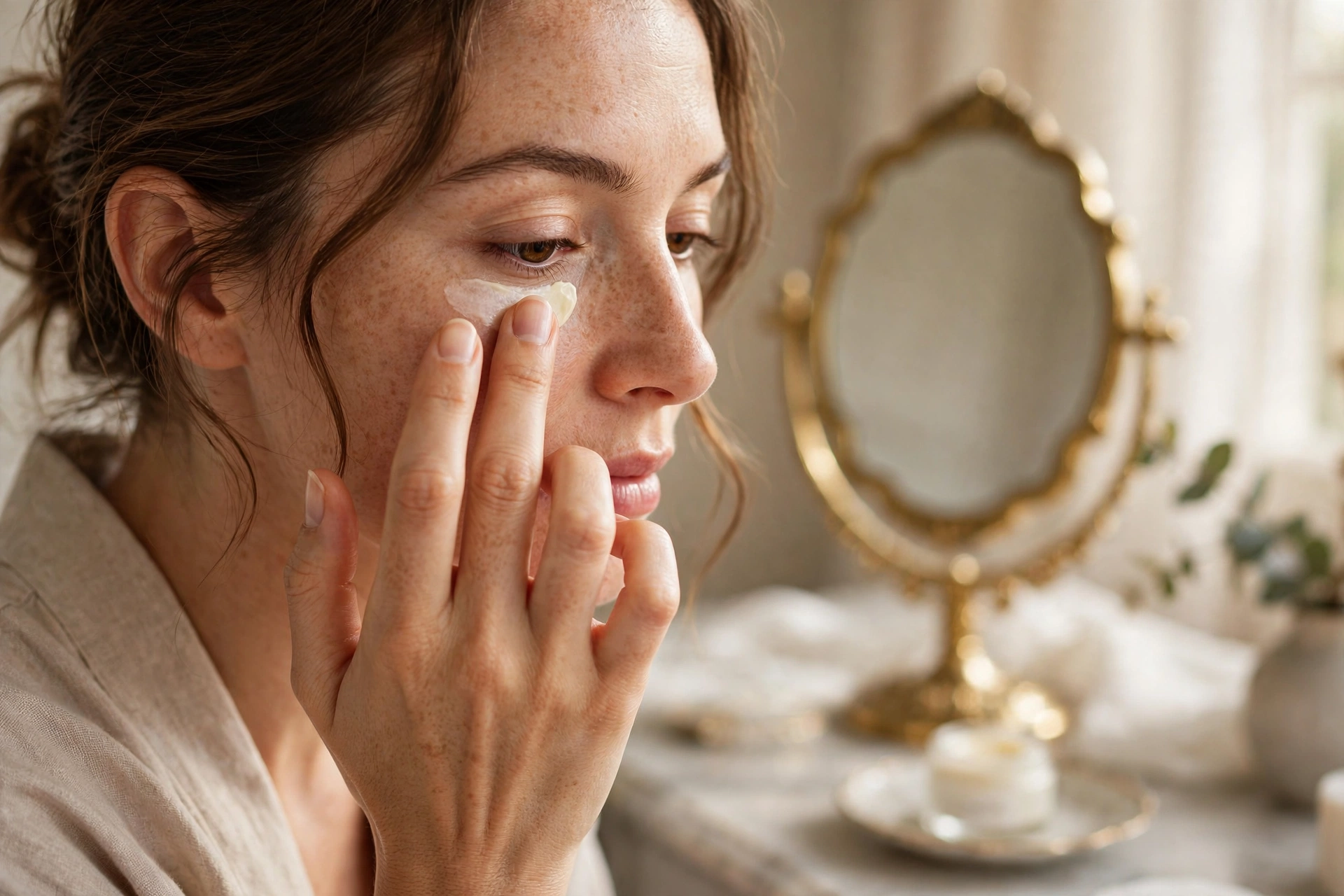
The skin under your eyes is the thinnest on your entire body — about 0.5mm compared to 2mm elsewhere — which is why wrinkles, fine lines, and crepey texture show up there first. Whether yours come from aging, sun damage, squinting, or just genetics, under-eye wrinkles are one of the most common cosmetic concerns in the US. The good news: you have more options than ever, from simple at-home habits to in-office treatments that genuinely work.
Why Under-Eye Wrinkles Form
Understanding the cause helps you pick the right fix. The main culprits:
- Natural aging: After your mid-20s, collagen production drops about 1% per year. Less collagen means less structural support, so skin folds more easily.
- Sun exposure: UV rays break down collagen and elastin. The under-eye area gets plenty of incidental sun (driving, walking) that people forget to protect.
- Repetitive expressions: Squinting, smiling, and rubbing your eyes crease the same skin thousands of times. Over decades, those dynamic lines become static ones.
- Dehydration: Thin under-eye skin shows dehydration fast. Fine lines that look worse in the afternoon are often just thirsty skin.
- Sleep position and lifestyle: Side sleeping presses the same area nightly; smoking and excess alcohol accelerate collagen breakdown.
At-Home Strategies That Actually Help
1. Sunscreen — the single most important step
If you do nothing else, wear sunscreen around your eyes every day. Use a mineral formula (zinc oxide or titanium dioxide) that is less likely to sting, or wear UV-blocking sunglasses. Most under-eye aging is photoaging — preventable with consistent sun protection.
2. Retinoids (the gold standard)
Prescription tretinoin and over-the-counter retinol are the most evidence-backed topical ingredients for wrinkles. They boost collagen production and speed cell turnover. Start with a low-strength retinol (0.25–0.3%) formulated for eyes, use it at night 2–3 times per week, and build up slowly. Expect 3–6 months before visible improvement — this is a marathon, not a sprint.
3. Moisturize strategically
Look for eye creams with hyaluronic acid (draws water into skin, plumping fine lines), peptides (signal collagen production), niacinamide (strengthens the skin barrier), and caffeine (temporarily tightens and reduces puffiness). No eye cream erases deep wrinkles, but the right one visibly softens fine lines — especially dehydration lines.
4. Sleep on your back
Side and stomach sleeping press your face into the pillow for hours, etching “sleep lines” that eventually stick around. Training yourself to sleep on your back (a contoured pillow helps) reduces mechanical creasing.
5. Stop rubbing your eyes
Allergy sufferers and contact lens wearers are the worst offenders. Chronic rubbing stretches thin under-eye skin and breaks down elastin. Treat the underlying allergies with antihistamines instead.
In-Office Treatments Worth Considering
When topical products plateau, dermatologists offer treatments with real evidence behind them:
Botox (neuromodulators)
Small doses around the outer eye corners (“crow’s feet”) relax the muscles that cause dynamic wrinkles. Results appear in 3–7 days and last 3–4 months. If you are curious about the details, our guide on how often you need Botox covers treatment intervals, costs, and what to expect.
Dermal fillers
Hyaluronic acid fillers (like Restylane) can fill the tear trough — the hollow under the eye that makes wrinkles and shadows look worse. This is an advanced technique; choose an experienced injector (dermatologist or oculoplastic surgeon), because the under-eye area has complex anatomy.
Laser resurfacing
Fractional lasers (like Fraxel) create controlled micro-injuries that trigger collagen remodeling, smoothing fine lines over several months. Downtime ranges from a few days of redness to a week of peeling depending on intensity.
Chemical peels
Light peels with trichloroacetic acid (TCA) or phenol, performed by a professional, can improve under-eye texture. Never attempt medium or deep peels at home around the eyes.
Microneedling with PRP
Tiny needles create micro-channels while platelet-rich plasma from your own blood is applied to boost healing and collagen. Multiple sessions are needed, but it is effective for crepey texture with minimal downtime.
The American Academy of Dermatology’s guide to treating wrinkles reviews these options and stresses matching the treatment to the wrinkle type — dynamic lines respond to Botox, while static lines and texture need resurfacing or fillers.
What About “Instant” Fixes?
Products promising to erase wrinkles in minutes usually contain silicates or film-forming polymers that temporarily tighten skin as they dry. They work for a few hours (popular before photos or events) but wash off and do nothing long-term. Fine for a wedding; not a strategy.
Similarly, jade rollers, gua sha, and facial massage feel nice and can temporarily reduce puffiness through lymphatic drainage, but there is no evidence they reduce actual wrinkles. Enjoy them as self-care, not as treatment.
Building Your Routine: A Sample Regimen
Morning: Gentle cleanser → vitamin C serum (antioxidant protection) → moisturizer with hyaluronic acid → mineral sunscreen (or sunglasses outdoors).
Evening: Gentle cleanser (or double cleanse if wearing makeup — see how to get mascara off without tugging) → retinol eye product 2–3x/week → rich moisturizer or eye cream.
Weekly: Hydrating sheet mask or under-eye patches for a moisture boost.
The Mayo Clinic’s review of wrinkle creams confirms that consistent use of proven ingredients matters far more than price — a $20 retinol used nightly beats a $200 cream used sporadically.
When to See a Dermatologist
Book a consultation if wrinkles appeared suddenly (could signal a medical issue), if over-the-counter products have not helped after 3–4 months of consistent use, or if you are considering any injectable or laser treatment. A dermatologist can also rule out conditions like eczema or contact dermatitis that make under-eye skin look worse.
Frequently Asked Questions
Can under-eye wrinkles go away completely?
Fine lines from dehydration can largely resolve with moisture and retinoids. Deeper static wrinkles can be significantly improved — especially with professional treatments — but “completely erased” is unrealistic without surgery (blepharoplasty for excess skin).
At what age should I start using eye cream?
Prevention beats correction. Starting a basic eye moisturizer with sunscreen in your mid-20s is reasonable; add retinol in your late 20s or early 30s.
Are expensive eye creams worth it?
Not necessarily. What matters is the ingredient list — retinol, peptides, hyaluronic acid, niacinamide — not the brand or price. Many excellent options cost under $30.
Lifestyle Factors That Accelerate Under-Eye Aging
Beyond skincare products, daily habits play an outsized role in how quickly under-eye wrinkles develop. Chronic sleep deprivation is one of the biggest culprits — during deep sleep, your body produces human growth hormone that drives collagen synthesis and tissue repair. Consistently getting fewer than 6 hours disrupts this cycle, and the thin under-eye area shows it first through increased fine lines and dark circles.
Diet matters too. High sugar intake triggers glycation, a process where sugar molecules bind to collagen fibers and make them rigid and brittle. Since under-eye skin has the least collagen to spare, glycation damage shows there earliest. Reducing added sugars and eating antioxidant-rich foods (berries, leafy greens, colorful vegetables) gives your skin the raw materials it needs for repair.
Hydration is non-negotiable. The under-eye area is often the first place dehydration becomes visible because the skin is so thin. Drinking adequate water throughout the day — not just applying moisturizer topically — keeps skin plump from the inside. Limit alcohol, which is both dehydrating and inflammatory, and consider that even mild chronic dehydration can make fine lines look significantly deeper than they are.
The Bottom Line
Getting rid of under-eye wrinkles is really about slowing new ones and softening existing ones. Daily sunscreen and a retinoid are the two highest-impact habits. For deeper lines, Botox, fillers, and laser treatments offer proven results when done by qualified professionals. And if you are thinking bigger picture about aging gracefully, our guide on how to look younger covers the full-face strategy. Start with the basics, be consistent, and escalate to professional help when drugstore options plateau.



