
How Much Does It Cost to Start a Cleaning Business in 2026?
Cleaning businesses are the classic low-barrier startup: no degree, no storefront, customers everywhere. But how much does it cost to start a cleaning business? Less than almost any other business — though ‘less’ still means real money for supplies, insurance, and the things that make you look professional.
Here’s the honest breakdown, from shoestring to fully equipped, based on what actually successful cleaning owners report spending.
The short answer: $500–$2,000 for a lean residential cleaning startup (supplies, basic equipment, insurance, LLC filing). $3,000–$6,000 for a more professional setup with commercial-grade equipment, a website, and marketing. Franchises run $10,000–$50,000+. Insurance is the one cost you shouldn’t skip.
The Lean Startup: $500–$2,000
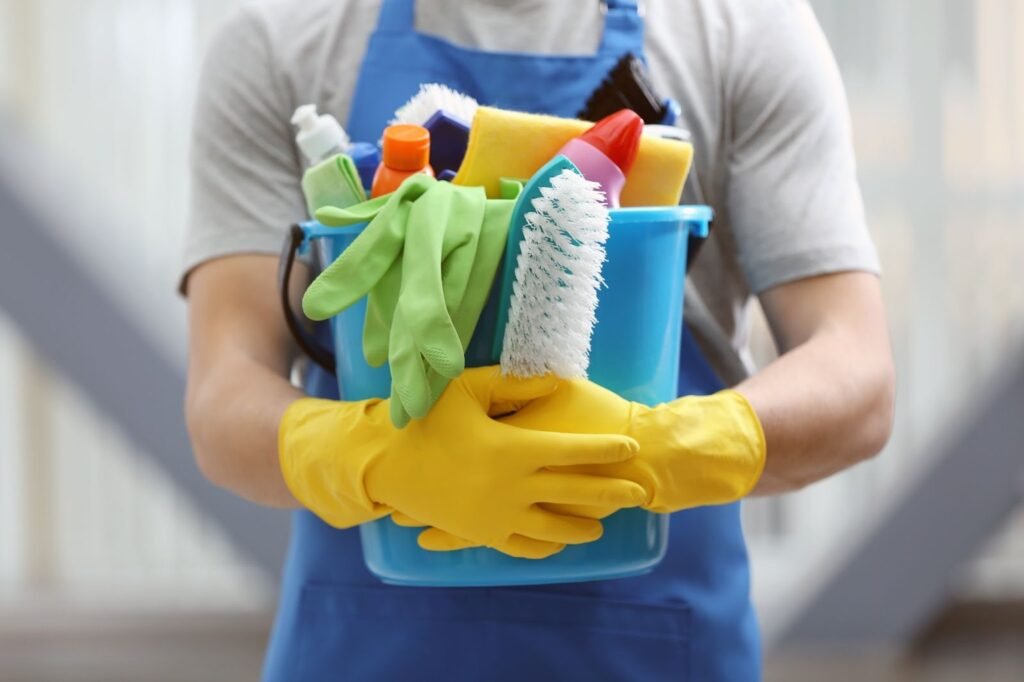
At the minimum, you need: professional-grade cleaning supplies ($150–$300 — microfiber cloths in bulk, a good mop system, vacuum if you don’t have one, all-purpose cleaners, glass cleaner, disinfectant, gloves, caddy), general liability insurance ($300–$600/year — non-negotiable; one broken vase without it ends the business), business registration ($40–$300 depending on state), and basic marketing (free Google Business Profile, $50 in flyers, Nextdoor posts).
That’s genuinely enough to start taking paying customers this week. Many successful owners started exactly this way — one person, a car full of supplies, and word of mouth. Price residential cleans at $25–$50/hour per cleaner (or $150–$300 for a standard home deep clean), and the startup cost pays for itself within the first few jobs.
- Supplies and basic equipment: $150–$400
- General liability insurance: $300–$600/year (don’t skip)
- Business registration (LLC): $40–$300 by state
- Basic marketing (flyers, Google Business Profile): $0–$100
- Bonding (builds trust): $100–$200/year
The Professional Setup: $3,000–$6,000
When you’re ready to look established: commercial-grade vacuum and floor equipment ($500–$1,500 — a ProTeam backpack vacuum is the industry workhorse), branded uniforms ($100–$200), a real website ($200–$500 built on Wix/Squarespace, or $1,000+ custom), scheduling/CRM software like Jobber or Housecall Pro ($50–$150/month), and a real marketing budget ($500–$1,500 for Google Ads, door hangers, and vehicle signage).
This level makes sense once you have steady clients and are hiring your first employees — or if you’re targeting commercial contracts, which expect professional presentation. Don’t buy it all on day one; upgrade as revenue justifies each purchase. The number one beginner mistake is spending $5,000 before landing client one.
Ongoing Monthly Costs
Budget for the recurring side: supplies restock ($50–$150/month), insurance ($25–$50/month amortized), software ($0–$150/month), fuel and vehicle wear (real cost — track mileage for taxes), and marketing ($100–$300/month once established). A solo cleaner doing $4,000–$6,000/month in revenue typically spends $300–$600 on operating costs — the margins are genuinely good, which is why the industry attracts so many owners.
The cost that surprises people: labor. When you hire, expect to pay cleaners $15–$25/hour while billing clients $40–$60/hour. That spread is your profit, and managing it well is the difference between a job you own and a business that grows. Price your services to make a profit from the start — underpricing to ‘get clients’ is the fastest way to build a business that can’t afford to survive.
Getting Your First Clients (the Free Part)
The cheapest marketing works best in cleaning: Google Business Profile (free, and it’s where ‘cleaning service near me’ searches land), Nextdoor (neighbors trust neighbors), local Facebook groups, and door hangers in target neighborhoods ($50 for 500). Ask every happy client for a Google review — in local services, review count directly drives new business.
Offer a first-clean discount, not a cheap price — there’s a difference. A 20% first-clean discount preserves your rate integrity while removing trial risk. And show up exactly when you say you will, every time; reliability is so rare in home services that it’s practically a marketing strategy on its own. Do great work, collect reviews, and raise prices as demand grows.
How Much Does It Cost to Start a Cleaning Business With Employees From Day One?
Starting with a team instead of solo changes the math significantly. Add to the base costs from the main guide: workers’ compensation insurance ($1,000–$3,000/year for a small cleaning crew, varies hugely by state), payroll service ($40–$150/month — Gusto or Square Payroll), hiring costs (job ads, background checks at $30–$75 each), uniforms and training materials ($200–$500), and additional equipment sets so teams can work simultaneously ($500–$1,500 per team).
The working capital requirement jumps too: you’re paying wages weekly or biweekly while clients pay on their own schedules. Budget 2–3 months of payroll as a cushion — for a three-person team, that’s $15,000–$25,000. This is why most cleaning businesses start solo and add staff from profit; starting with employees needs $20,000–$35,000 all-in versus $500–$2,000 solo.
If you’re committed to team-from-day-one, the model that works is commercial contracts, not residential one-offs: offices, churches, and small businesses sign recurring contracts ($500–$2,000/month each) that justify and sustain payroll. Three solid commercial contracts cover a small team’s wages; residential work fills the gaps. Land the contracts before hiring — never the reverse.
The commercial-contract angle deserves emphasis for team-based cleaning businesses: a single $1,500/month office contract covers a part-time cleaner’s wages, and three such contracts sustain a small crew. Target medical offices, churches, and professional buildings — they value reliability over rock-bottom pricing and sign longer agreements. Residential work is great for solo operators; commercial contracts are what make teams viable.
Related reading: how to price your products to make a profit · how to get more reviews for your local business on Google
The Bottom Line
Start lean at $500–$2,000: supplies, liability insurance (non-negotiable), registration, and free local marketing. Upgrade to the $3,000–$6,000 professional setup as revenue justifies it — never before landing clients. Price at $25–$50/hour, protect your margins from day one, and let Google reviews do your marketing.
Sources: SBA: 10 steps to start your business · ISSA: cleaning industry association






