How to Do a Money Order: Step-by-Step Guide (2026)
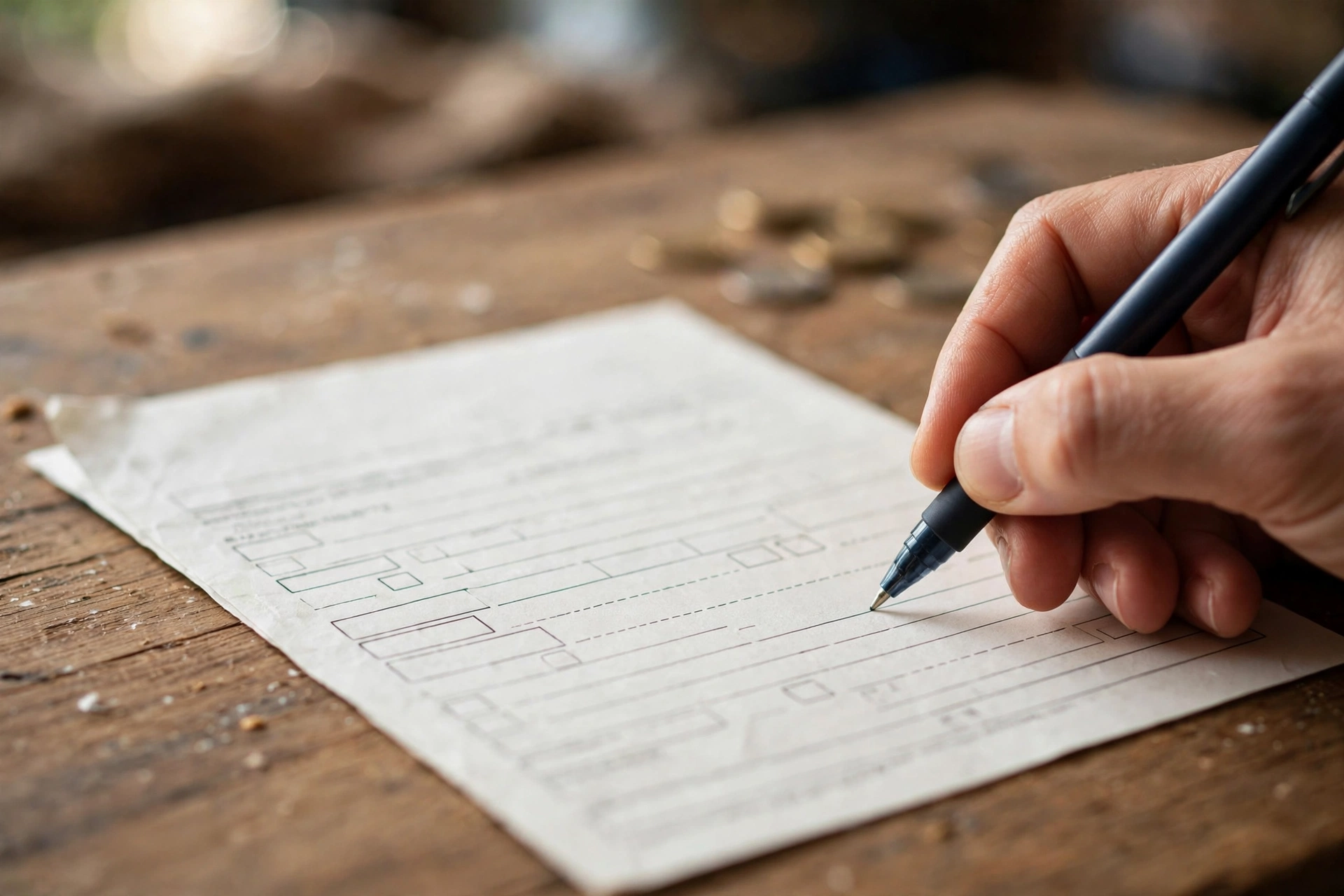
A money order is a prepaid paper payment — like a check, except the funds are guaranteed because you pay upfront. They are still widely used for rent, bills, and payments to people or businesses that do not accept personal checks. Here is exactly how to do a money order, where to get one, what it costs, and how to avoid the scams that target money order users.
The Quick Answer
To do a money order: bring cash or a debit card (plus the recipient’s name and your ID) to a post office, bank, Walmart, or grocery store. Fill in the payee name, your name and address, and sign it. Keep the receipt with the tracking number. Fees run $1–$5 for amounts up to $1,000; the U.S. Postal Service caps money orders at $1,000 each ($5,000 per day for domestic).
Where to Buy a Money Order
- U.S. Post Office: up to $1,000 per money order; fees around $2–$3. Widely trusted and easy to track. Visit USPS.com for locations and current fees.
- Walmart / grocery stores: often the cheapest, around $1 at Walmart’s money center, up to $1,000.
- Banks and credit unions: convenient if you have an account; fees $5–$10, sometimes free for account holders.
- Western Union / MoneyGram agents: available at thousands of locations; fees vary, up to $1,000 per order.
Step-by-Step: Filling Out a Money Order
1. Enter the payee (“Pay to the order of”)
Write the full name of the person or business receiving the money. Use ink, write clearly, and double-check the spelling — a wrong name can make it uncashable.
2. Fill in your information
Write your name and address in the “From” or “Purchaser” fields. Some money orders also ask for your phone number.
3. Add a memo if needed
Note the purpose — “October rent, Apt 4B” — so both you and the recipient have a record of what the payment was for.
4. Sign it
Sign the front where indicated (“Purchaser signature”). Do NOT sign the back — that space is for the recipient’s endorsement when they cash or deposit it.
5. Keep the receipt
The stub or receipt has the money order number, which you need to track it, confirm it was cashed, or request a replacement if it is lost. Photograph it as a backup.
How Much Do Money Orders Cost?
Fees depend on where you buy and the amount:
- Walmart: about $1 (up to $1,000)
- USPS: about $2–$3 (up to $1,000)
- Grocery stores: $1–$2
- Banks: $5–$10
For amounts over $1,000, buy multiple money orders. Note that purchases of $3,000 or more in money orders in one day trigger ID and recordkeeping requirements under federal rules.
How the Recipient Cashes It
The payee signs the back and can cash it at the issuer (post office, Walmart), deposit it at their bank, or cash it at a check-cashing store (which charges a fee). Funds from USPS money orders are generally available quickly because they are prepaid and guaranteed — one reason landlords like them.
Tracking and Replacing a Lost Money Order
With your receipt’s tracking number, you can check whether a USPS money order has been cashed through the USPS tracking system. If it is lost or stolen and has not been cashed, you can request a replacement — USPS charges a processing fee (around $7) and it takes several weeks. Without the receipt, replacement is much harder, which is why keeping it matters.
Money Order Scams to Avoid
Money orders are a favorite tool of scammers because they feel official:
- Overpayment scams: a “buyer” sends a money order for more than the price and asks you to wire back the difference — the order is fake and you lose the wired money.
- Fake cashier’s checks/money orders: never accept one from a stranger for an online sale without verifying it with the issuer.
- Never wire money to someone who paid you with a money order you have not verified as genuine.
The Consumer Financial Protection Bureau warns that once wired funds are gone, they are nearly impossible to recover.
Money Order vs. Alternatives
- vs. personal check: money orders cannot bounce; checks can. Recipients who do not know you often prefer money orders.
- vs. cashier’s check: similar guarantee, but cashier’s checks come from your bank account and work for larger amounts.
- vs. wire transfer: wires are faster but cost $25–$50 and cannot be reversed; money orders are cheap but travel by mail.
- vs. payment apps: apps are instant and free for small amounts, but landlords and government offices often still require paper.
If you are sorting out regular bills while between jobs, also see how to qualify for unemployment to understand what support you may be eligible for.
International Money Orders
USPS also sells international money orders for sending funds abroad, accepted in about two dozen countries. Limits and fees vary by destination — typically up to $700 per order with fees around $10–$15. For larger or urgent international transfers, wire services or dedicated remittance companies are usually faster and cheaper per dollar. Always confirm the recipient’s country accepts U.S. postal money orders before purchasing, since acceptance lists change.
When Money Orders Beat Digital Payments
Despite the rise of payment apps, money orders remain the right tool in specific situations: landlords who require guaranteed paper payments, government agencies that do not take cards, paying bills without a bank account, and transactions where you want a paper trail independent of your bank. They also work well for people rebuilding financial lives — if you are learning how to start trading or sorting out bills during a tough stretch, money orders keep essential payments provably on track without needing a checking account.
For recurring monthly bills, though, compare the hassle: twelve money orders a year at $1–$3 each plus trips to the store may cost more in time than opening a no-fee checking account with free bill pay. Use money orders strategically, not by default.
Frequently Asked Questions
Do I need ID to buy a money order?
For small amounts, usually not — cash is enough. For $3,000+ in a day, federal rules require ID and a record. Individual issuers may ask for ID at lower thresholds.
Can I buy a money order with a credit card?
Generally no — issuers accept cash or debit cards. A credit card purchase would typically be treated as a cash advance with high fees.
Do money orders expire?
USPS money orders never expire, though very old ones may require verification. Western Union and MoneyGram orders may incur dormancy fees after 1–3 years, reducing their value — cash them promptly.
Can I cancel a money order?
If it has not been cashed, yes — bring the receipt to the issuer and request a refund or replacement, minus a processing fee. If it has been cashed, it cannot be cancelled.
The Bottom Line
Doing a money order is simple: pay upfront at a post office or store, fill in the payee and your details carefully, sign the front, and keep the receipt. They remain one of the cheapest guaranteed payment methods for rent and bills — just guard the receipt and never accept one from a stranger without verifying it first.