Is It Safe to Drive With a Cracked Windshield? The Facts
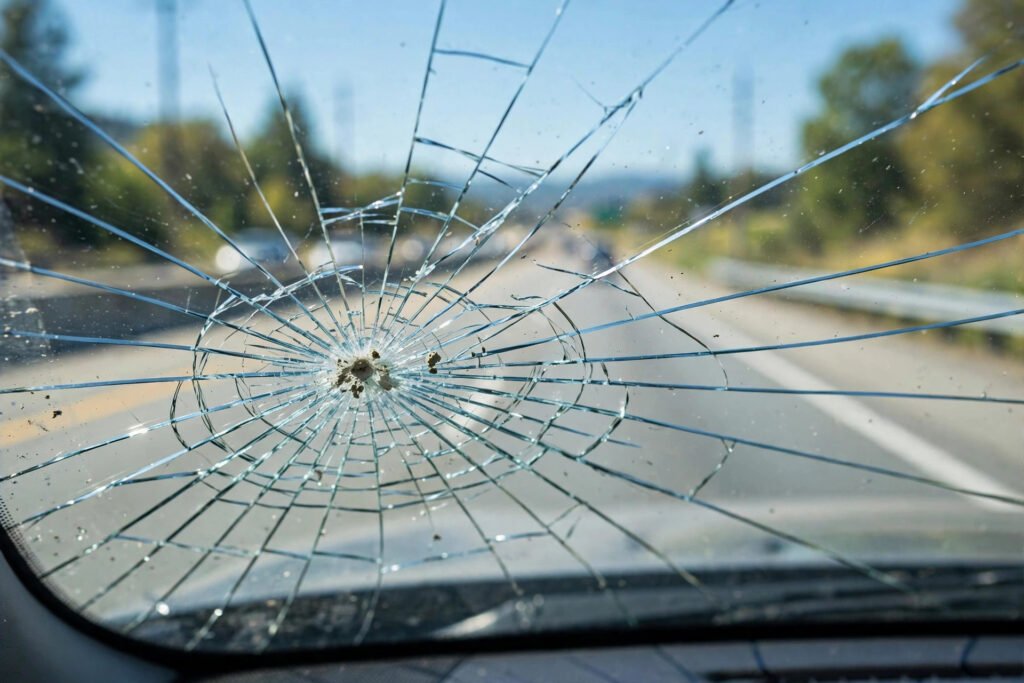
You notice it on a Tuesday morning — a thin crack spidering out from the edge of your windshield, probably from a pebble that hit you on the interstate last week. It doesn’t block your view yet, and the car drives fine, so you tell yourself you’ll deal with it later. Here’s the uncomfortable truth: that crack is a structural problem, a legal problem, and a problem that gets more expensive every week you ignore it. This guide breaks down exactly when a cracked windshield is safe to drive with in America, when it crosses the line into illegal territory, and what to do about it before a $60 repair becomes a $500 replacement.
Your Windshield Is Structural, Not Just Glass
Most drivers think of the windshield as a big window. Engineers think of it as a load-bearing component. In a front-end collision, the windshield provides up to 45 percent of the cabin’s structural integrity; in a rollover, that figure climbs to roughly 60 percent. It’s also the backstop your passenger-side airbag bounces off of — if the glass is compromised, the airbag can push the windshield out instead of cushioning the passenger.
A crack breaks the continuous bond between the glass and the vehicle frame. That doesn’t mean your car will fold in half the moment you hit a pothole, but it does mean the safety systems designed around an intact windshield can’t perform the way they were tested to. The National Highway Traffic Safety Administration sets the federal safety standards every windshield must meet, and a cracked one no longer meets them.
What the Law Actually Says About Cracked Windshields
There is no single federal law that says “you may not drive with a cracked windshield.” Instead, every state handles it differently, and the rules fall into three rough camps:
States with specific crack restrictions
Many states prohibit cracks in the driver’s direct line of sight — typically defined as the area swept by the windshield wipers, or a specific zone in front of the steering wheel. In these states, a crack on the passenger side might be perfectly legal while the identical crack in front of the driver earns you a ticket.
States with general “obstructed view” rules
Other states don’t mention cracks at all but make it illegal to drive with anything that obstructs or impairs the driver’s clear view. A spreading crack absolutely qualifies, which gives officers broad discretion to pull you over.
Inspection states where it fails automatically
If your state requires periodic safety inspections, a cracked windshield is one of the most common failure items. You won’t be able to renew your registration until it’s fixed, which turns procrastination into a bureaucratic headache.
The practical takeaway: a crack anywhere in the wiper-swept area is legally risky in most of America. If you’re unsure about your state’s specific statute, weatherproofing your windows for winter is a good reminder that glass condition matters year-round — but check your DMV’s current rules before assuming you’re in the clear.
When a Crack Can Be Repaired vs. When You Need Replacement
Auto glass technicians use a few clear rules of thumb:
Usually repairable: chips smaller than a quarter, cracks shorter than about six inches (roughly the length of a dollar bill), damage that doesn’t reach the edge of the glass, and cracks that stay out of the driver’s line of sight. A professional resin repair takes 30 minutes, costs $60 to $120, and restores most of the glass’s strength.
Needs full replacement: cracks longer than six inches, any damage at the edge of the windshield (edge cracks spread fast and compromise the seal), multiple cracks, damage directly in front of the driver, or cracks that have collected dirt and moisture over weeks — contamination makes resin bonding unreliable.
Time is the enemy here. Temperature swings, slamming doors, hitting potholes, and even running the defroster on full blast can turn a repairable three-inch crack into a windshield-spanning replacement job overnight. That basic repair toolkit every homeowner should own won’t fix auto glass — this is one job where a $10 DIY kit from the auto parts store is a gamble, and a professional repair is the smart money.
The Real Costs: Repair, Replacement, and Insurance
A professional chip or crack repair typically runs $60 to $120, and many shops will come to your driveway. Full windshield replacement ranges from about $200 for an older sedan to $500 or more — and on newer vehicles with advanced driver-assistance systems (ADAS), recalibrating the forward-facing camera after replacement can add $200 to $400 on top.
Here’s where insurance changes the math. Comprehensive auto insurance generally covers windshield damage, and three states — Florida, Kentucky, and South Carolina — require insurers to waive the deductible for windshield repair or replacement entirely. In other states, it depends on your policy: some insurers offer full glass coverage as a cheap add-on, and many waive the deductible for repairs (but not replacements) because they’d rather pay $80 now than $400 later. The Insurance Information Institute maintains clear explainers on how comprehensive coverage handles glass claims.
One caution: filing a comprehensive claim for glass usually doesn’t raise your rates the way an at-fault collision claim does, but policies vary — a quick call to your agent before filing is always worth it.
How to Keep a Small Crack From Spreading
If you can’t get to a shop today, a few stopgap measures buy you time: avoid extreme temperature swings (don’t blast the defroster on a frozen windshield), close doors gently instead of slamming them, avoid rough roads when possible, and put a small piece of clear packing tape over a chip to keep moisture and dirt out of it. These are band-aids, not fixes — schedule the repair within days, not months.
Conclusion
Driving with a cracked windshield in America sits in a gray zone: a tiny chip outside your line of sight is a “fix it this week” problem, while a spreading crack in front of the driver is a safety hazard, a ticket waiting to happen, and an inspection failure all at once. The economics overwhelmingly favor fast action — a sub-$100 repair today beats a $500 replacement plus ADAS recalibration next month. Get the small ones fixed immediately, replace the big ones without delay, and check whether your insurance covers it before you pay out of pocket.
Frequently Asked Questions
Can I get a ticket for a cracked windshield?
Yes, in most states. Laws vary, but cracks in the driver’s line of sight or wiper-swept area commonly violate obstructed-view statutes, and officers have wide discretion.
How long can I drive with a cracked windshield?
There’s no safe fixed period — cracks can spread suddenly from temperature changes or road vibration. Get cracks under six inches repaired within days; longer or edge cracks need prompt replacement.
Will my insurance cover windshield replacement?
Usually yes under comprehensive coverage. Florida, Kentucky, and South Carolina mandate zero-deductible windshield coverage; elsewhere it depends on your deductible and whether you carry full glass coverage.
Is a DIY windshield repair kit worth trying?
For a tiny, fresh chip, a quality kit can work as a stopgap. For anything larger, older, or in the driver’s view, professional resin repair is more reliable and often costs under $100.
Does a cracked windshield affect airbag deployment?
It can. The passenger airbag uses the windshield as a backstop; compromised glass may not withstand the deployment force, reducing the airbag’s effectiveness in a crash.