What Are the Best Low-maintenance Landscaping Ideas
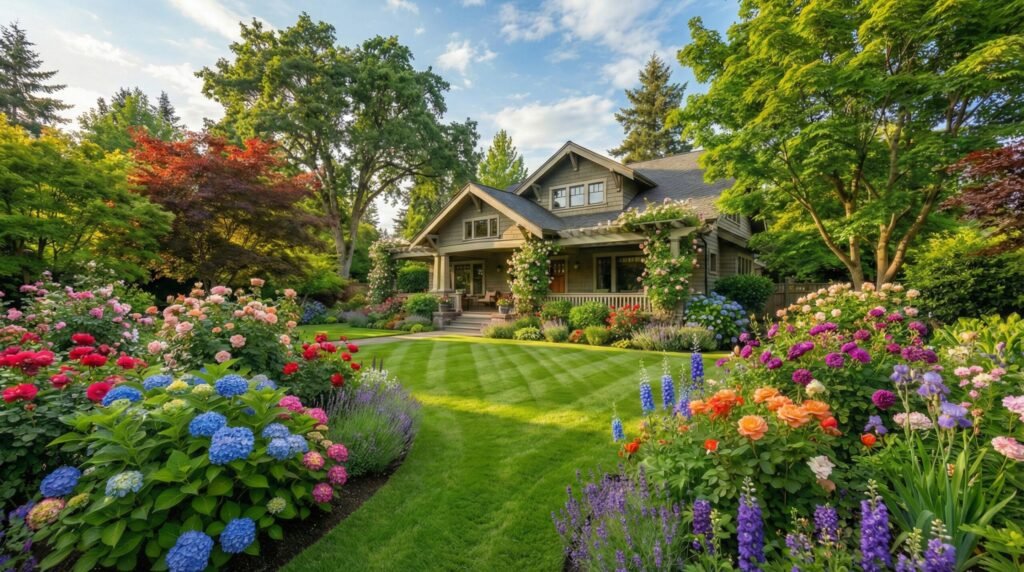
I love a beautiful yard. I do not love spending every weekend maintaining one. After years of high-maintenance landscaping — the fussy flower beds, the lawn that demanded constant attention, the shrubs that needed sculpting like bonsai — I converted my yard to low-maintenance design and got my weekends back. The yard looks better now than it did when I was working on it constantly, which tells you everything about working smarter versus harder.
Here are the best low-maintenance landscaping ideas — a yard that looks intentional and attractive with minimal ongoing effort.
What Are the Best Low-Maintenance Landscaping Ideas?
The core principle: replace high-maintenance elements with self-sustaining ones. Every plant, material, and feature in your yard should be evaluated on one question: what does this demand of me weekly, monthly, and yearly? The goal is a yard that thrives on neglect, not one that punishes it.
1. Shrink the Lawn (The Biggest Win)
Traditional turf lawns are the highest-maintenance element in most yards — mowing, watering, fertilizing, weeding, overseeding, endless cycle. Reducing lawn area is the single most impactful low-maintenance move:
- Expand planting beds with mulch and shrubs — mulched beds need attention a few times a year versus weekly mowing.
- Install hardscaping: patios, walkways, and seating areas replace lawn with zero-maintenance surfaces.
- Try lawn alternatives: clover lawns (no fertilizing, less mowing, stays green in drought), native grass meadows (mow once or twice a year), or ground covers like creeping thyme and sedum for areas you don’t walk on.
- Artificial turf for small areas — controversial among purists, but zero maintenance and always green. Best for side yards and pet areas, less ideal for large spaces.
For the lawn you keep, mow high (3.5–4 inches) — taller grass shades out weeds, needs less water, and stays healthier with less intervention. It’s the laziest good advice in lawn care.
2. Choose the Right Plants (Natives Win)
Native plants are the cheat code of low-maintenance landscaping. They’re adapted to your local rainfall, soil, and pests — meaning no supplemental watering once established, no fertilizing, and natural pest resistance. A native plant bed needs mulching once a year and occasional trimming. That’s it.
Beyond natives, choose plants for mature size — the number-one landscaping mistake is planting things that outgrow their space, creating endless pruning. A shrub that matures at 3 feet where you need 3 feet never needs shearing. Check the mature size on every plant tag and believe it.
Reliable low-maintenance categories: ornamental grasses (cut back once a year in late winter), evergreen shrubs (boxwood, holly, juniper — structure year-round, minimal pruning), perennials over annuals (plant once, enjoy for years — coneflower, black-eyed Susan, daylilies, hostas for shade), and ground covers instead of mulch in shady areas (pachysandra, vinca — they suppress weeds permanently).
3. Mulch Heavily and Correctly
Mulch is the hardest-working material in low-maintenance landscaping: it suppresses weeds, retains moisture, moderates soil temperature, and looks tidy. Apply 3–4 inches (less is ineffective, more suffocates plants), keep it pulled back from plant stems and tree trunks (the “mulch volcano” around trees causes rot), and refresh the top inch yearly rather than piling on more.
For the lowest maintenance, consider stone or gravel mulch in appropriate areas — it never decomposes, never needs refreshing, and looks sharp in modern or desert designs. It’s hotter around plants and harder to plant through later, so use it deliberately, not everywhere.
4. Automate Watering
Drip irrigation on a timer ($100–$300 for a typical bed setup) delivers water directly to plant roots with minimal waste and zero effort. It’s vastly more efficient than sprinklers and eliminates the “did I water?” guessing. Add a rain sensor ($25–$40) so it skips cycles after rain. For lawns, smart sprinkler controllers adjust for weather automatically.
Even simpler: rain barrels ($50–$100 each) on downspouts provide free water for beds and containers — less effective than irrigation, but satisfying and cheap.
5. Hardscaping and Defined Edges
Patios, walkways, retaining walls, and edging reduce planted area (less maintenance) while making the yard look designed. Steel or stone edging ($2–$5 per linear foot) between lawn and beds creates a crisp line that makes mowing faster (no trimming needed) and looks professional. A patio or deck converts high-maintenance lawn into zero-maintenance living space — the best “landscaping” is often a place to sit and enjoy the yard rather than work in it.
6. Design for Your Actual Life
Be honest about how you’ll use the yard. A vegetable garden is wonderful if you’ll tend it; it’s a weed farm if you won’t. A fire pit gets used; a formal rose garden gets neglected. Design for the maintenance level you’ll actually sustain, not the one you aspire to in spring. Every feature should earn its place by either being beautiful with minimal care or being something you’ll genuinely enjoy maintaining.
For the front yard specifically, our guide to improving curb appeal on a budget covers the high-visibility priorities. If you’re adding outdoor living features, see building a raised garden bed for the one “garden” project that’s genuinely low-effort.
What to Avoid
- Invasive plants (English ivy, bamboo, mint in beds) — they create maintenance nightmares that compound yearly. Check your local invasive list before planting.
- High-maintenance focal points (koi ponds, elaborate water features) unless you’ll genuinely maintain them — a neglected water feature is worse than none.
- Too many different plants — a restrained palette of repeated plants looks more designed and is easier to care for than a botanical collection.
- Planting under eaves where rain doesn’t reach — it creates a permanent hand-watering chore.
Practical Takeaway
Shrink the lawn, plant natives at their mature size, mulch heavily, automate watering with drip irrigation, use hardscaping and edging to reduce planted area, and design honestly for the maintenance you’ll actually do. A low-maintenance yard isn’t a neglected yard — it’s a designed yard where every element earns its place by thriving without constant attention. Get the design right once, and the yard largely takes care of itself. Better Homes & Gardens’ landscaping guides have plant recommendations organized by region and sun exposure.