Open House Checklist: What to Look For Before Making an Offer
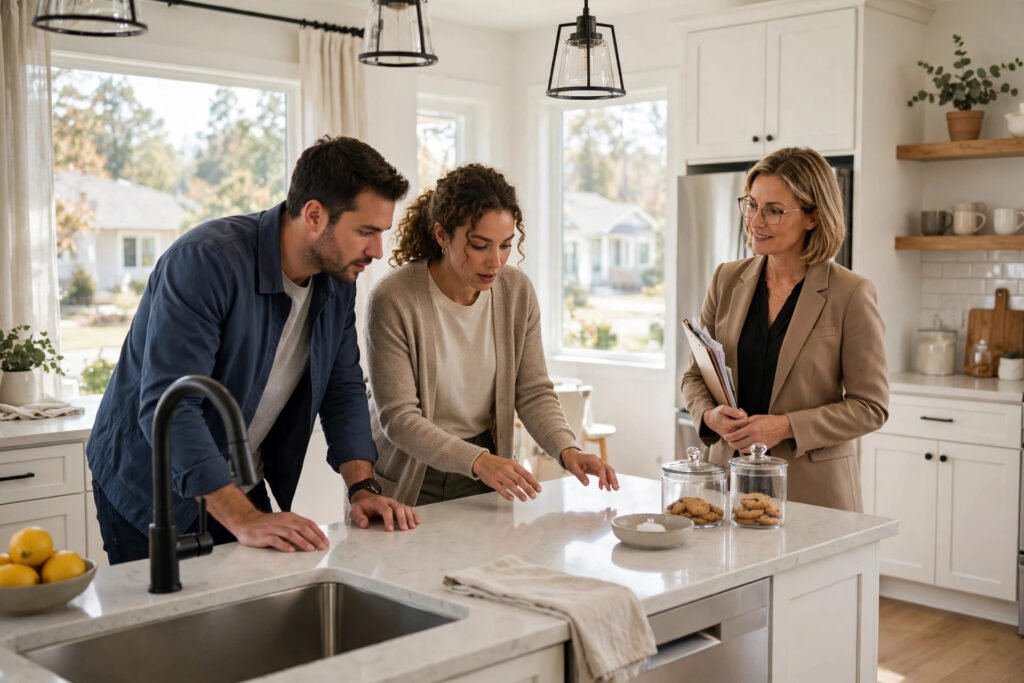
You get 30 minutes, maybe an hour, to decide whether a house deserves a six-figure offer. The listing photos were professionally staged and shot with a wide-angle lens; the open house is your chance to see past the marketing. Most buyers waste the visit admiring the staging and chatting with the agent. Smart buyers run a quiet inspection — checking the things that cost money, spotting the things photos hide, and reading the neighborhood like a detective. Here’s exactly what to look for during an open house visit in America, room by room, so you walk out knowing more than everyone else who toured it.
Before You Go: Do 15 Minutes of Homework
The open house starts before you leave home. Look up the property’s listing history: how long has it been on the market, and have there been price drops? A house sitting 90 days with two reductions tells a different story than one listed Thursday. Check comparable sold prices nearby so you know whether the asking price is grounded or aspirational. Pull up flood maps and the neighborhood’s walkability — and if the home is older, note the year built so you can watch for era-specific issues like lead paint (pre-1978), aluminum wiring (1960s–70s), or polybutylene plumbing (1980s–90s).
Prepare a short checklist on your phone covering the big-ticket items: roof, foundation, HVAC, plumbing, electrical, and water damage. You’ll forget half of what you notice by the third house of the day, so notes are non-negotiable. And set your intention: you’re not there to fall in love. You’re there to gather evidence. The pretty staging is designed to trigger emotion; your job is to stay in analyst mode until the numbers check out.
The Exterior: What the Photos Cropped Out
Start outside — listing photos almost always flatter the exterior. Walk the full perimeter. Look at the roof from the street: curling, missing, or patchy shingles suggest replacement is near, a $10,000–$20,000 line item. Check gutters and downspouts — are they intact, and do they direct water away from the foundation? Then look at grading: the ground should slope away from the house, not toward it. Water pooling near the foundation is one of the most expensive problems a house can have, and it’s visible in about 60 seconds if you look.
Study the driveway, sidewalks, and any retaining walls for major cracking or shifting. Peek at the neighbors’ properties too — a beautifully kept home sandwiched between neglected ones affects both your daily life and future resale. Notice noise: visit at a time that reflects reality, and stand quietly for a minute. Highway hum, barking dogs, and nearby commercial activity don’t show up in photos. Small exterior fixes like improving curb appeal on a budget are cheap; structural and drainage problems are not — learn to tell which one you’re looking at.
Inside: Follow the Water and the Wiring
Once inside, run every faucet, flush every toilet, and look under every sink. Water stains on ceilings, warped baseboards, musty smells, and fresh paint in suspicious patches (one newly painted ceiling section in an otherwise untouched house) all whisper “leak.” Check water pressure while you’re at it — weak pressure can signal aging pipes. Open the electrical panel: a modern breaker box is reassuring, while a fuse box or a panel stuffed with double-tapped breakers means electrician bills in your future.
Test the HVAC by running both heat and AC briefly, and ask the age of the system — anything over 15 years is living on borrowed time, and replacement runs $7,000–$15,000. Look at windows: fog between double panes means failed seals, and single-pane windows in a cold climate mean heating bills that will shock you. Walk the floors feeling for soft spots or dramatic slopes. And don’t skip the basement, attic, and garage — sellers stage living rooms, not crawl spaces, so the unglamorous areas tell the truth about maintenance. If the decor has you thinking about updates, our roundup of the best paint colors for selling a home shows how much difference cosmetic refreshes make — but only after the bones check out.
Read the Layout Like You’ll Live There
Beyond condition, evaluate livability — the stuff that annoys you daily but never appears on an inspection report. Is there enough natural light, or does the house feel like a cave at 2 p.m.? Open houses are usually held in good light; imagine it on a gray February morning. Check storage ruthlessly: open every closet, because staging empties them. A beautiful primary bedroom with a closet the size of a phone booth is a daily frustration wearing a pretty disguise.
Think about flow and privacy. Can you get from the garage to the kitchen with groceries without a relay race? Is the primary bedroom next to a teenager’s drum kit — I mean, bedroom? Is there a bathroom accessible without walking through someone’s bedroom? Consider your actual life: remote workers need a real office spot, not a “cozy nook” that’s actually a hallway. And measure the big furniture mentally — that king bed and sectional won’t fit just because the stager’s loveseat does. The National Association of Realtors’ buyer resources consistently show that layout regrets top the list of buyer remorse; condition can be fixed, but you can’t renovate a bad floor plan cheaply.
Questions to Ask the Listing Agent (and What the Answers Mean)
The listing agent works for the seller, but their answers are still data. Ask: why is the seller moving? (Job relocation and upsizing are neutral; “they’ve only been here eight months” deserves a follow-up.) How old are the roof, HVAC, and water heater? Have there been insurance claims on the property? What’s the average utility bill? Are there HOA fees, special assessments, or pending litigation in the community? What’s the property tax history — and is a reassessment coming?
Listen for what isn’t said. Vague answers about the roof’s age, reluctance to discuss claims history, or pressure tactics (“we already have three offers, decide by tonight”) are all information. Verify everything material independently later — disclosures, permits, and the professional inspection you’ll order if you make an offer. The Consumer Financial Protection Bureau’s homebuying guides explain exactly which documents and disclosures you’re entitled to, so no agent can rush you past them.
The Bottom Line
A great open house visit is a quiet investigation: 15 minutes of homework beforehand, a perimeter walk for drainage and roof clues, an interior sweep following water and wiring, a hard look at layout and light, and five pointed questions for the agent. Take notes, take photos (where permitted), and sleep on it before offering. The house that survives this scrutiny isn’t just pretty — it’s a sound place to put your money and your life.
Frequently Asked Questions
Should I bring anything to an open house?
Bring your phone (photos, notes, flashlight app), a tape measure for key rooms, and your pre-approval letter if you’re serious — it signals you’re a real buyer. Leave the kids home if possible so you can focus.
Can I open closets and cabinets at an open house?
Yes — that’s expected. Open closets, look under sinks, and check storage. Avoid opening the seller’s personal items like dresser drawers or medicine cabinets; stick to the house itself.
How many open houses should I visit before making an offer?
There’s no magic number, but most buyers tour 10–15 homes before offering. The real value is calibration: each visit sharpens your sense of price, condition, and what matters to you.
Should I go to an open house without my agent?
You can, but tell your own agent first — and never sign in as “unrepresented” if you have one. Anything you tell the listing agent can be relayed to the seller, so keep your enthusiasm (and your budget) to yourself.