The Hidden Costs of Buying a Home Nobody Warns You About
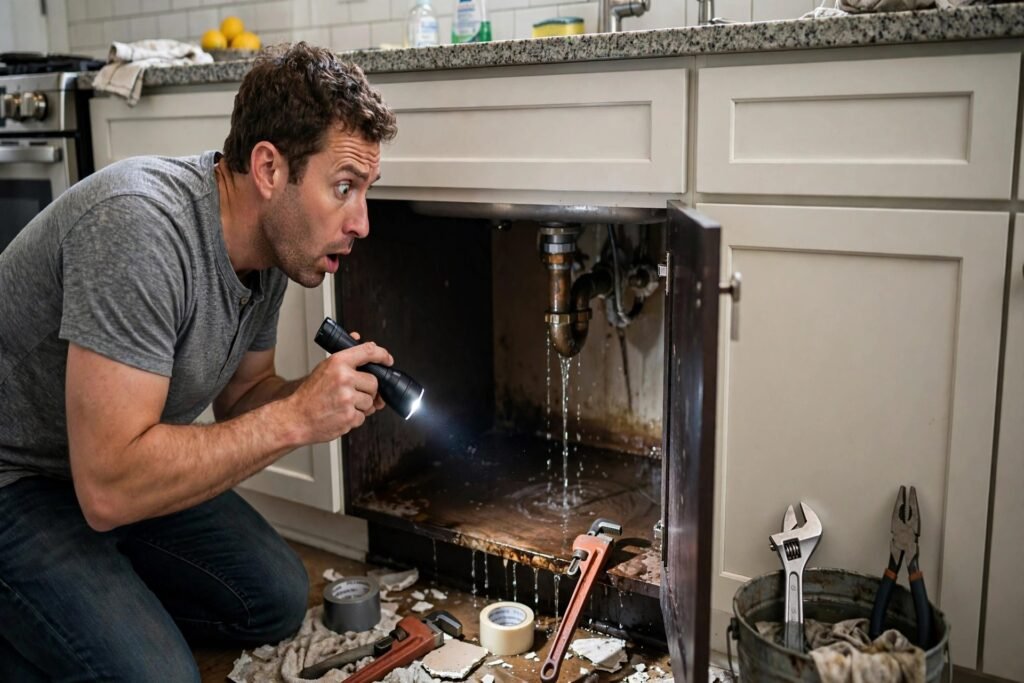
Everyone warns you about the down payment and closing costs. Nobody warns you about the $4,000 sewer line, the property tax reassessment that doubles your escrow, or the “small” plumbing issue that floods the laundry room in month two. The hidden costs of buying a home in America routinely add tens of thousands to the first years of ownership — and they’re hidden not because anyone’s lying, but because they’re boring, technical, and easy to overlook when you’re emotionally committed to a house. Here’s the complete inventory of costs nobody talks about, so your first years of ownership bring equity instead of emergencies.
The Purchase-Phase Costs Nobody Itemizes
Beyond the down payment and headline closing costs lurk expenses that surprise even prepared buyers. The appraisal gap: if the home appraises below your offer, you cover the difference in cash — $10,000–$30,000 gaps are common in competitive markets, and this money is due at closing with no financing. Rate lock extensions: if closing delays push past your lock expiration, extensions cost hundreds to thousands. Prepaid interest and escrow funding: you’ll prepay homeowner’s insurance for a full year plus fund 2–6 months of taxes and insurance into escrow — several thousand dollars that isn’t a “fee” but is very much cash out of pocket.
Then the move itself: professional movers ($2,000–$7,000 for a typical household), utility deposits and connection fees, immediate necessities (locks rekeyed, deep clean, basic furnishings for rooms you didn’t own before), and the “first-week” purchases — curtain rods, toilet plungers, tools, smoke detectors — that mysteriously total $1,000+. Buyers relocating for work should also verify what their employer covers; relocation packages vary wildly. The Consumer Financial Protection Bureau’s homebuyer checklists help you inventory these, but most buyers discover half of them by paying them.
The Tax Surprises: Reassessment and Supplemental Bills
Property taxes are the most underestimated ongoing cost in American homeownership. Here’s the trap: you’re quoted taxes based on the seller’s assessed value, but most jurisdictions reassess upon sale — and if the seller owned for 20 years under assessment caps (like California’s Proposition 13 or similar limits elsewhere), your reassessed taxes can be dramatically higher. A buyer expecting $4,000/year can face $9,000 after reassessment. Always estimate taxes on your purchase price, not the seller’s history — your agent and the county assessor’s office can provide realistic figures.
Supplemental tax bills are the sneakier cousin: many states and counties issue additional bills covering the difference between the old assessment and the new one, prorated from the sale date. These arrive months after closing, often for thousands, and they surprise everyone once. Then there’s the escrow shortage cascade: when taxes rise, your escrow account comes up short, and your servicer raises your monthly payment to cover both the higher taxes and the shortage repayment — a double hit. Review your escrow analysis annually and budget for tax growth; Bankrate’s property tax resources explain how reassessment works in your state.
The Maintenance Iceberg: What Breaks and When
The 1%-per-year maintenance rule (budget 1% of home value annually) is the most ignored wisdom in homeownership. On a $400,000 home, that’s $4,000/year — but it doesn’t arrive as $333/month. It arrives as a $12,000 roof in year three, a $9,000 HVAC in year five, and a $3,000 water heater whenever it feels like it. New homeowners consistently underestimate this because rentals trained them that maintenance is someone else’s problem. The mindset shift — you are now the landlord, the maintenance department, and the capital reserve fund — is the real hidden cost.
Learn the lifespan math for your specific home: roofs (20–30 years for asphalt, 40+ for metal), HVAC (15–20 years), water heaters (8–12 years), appliances (10–15 years), exterior paint (5–10 years), and sewer lines (50+ years for modern materials, far less for old clay or cast iron — a sewer scope inspection before purchase, $200–$400, is the highest-ROI inspection add-on in existence). Then there’s the deferred maintenance you inherited: the seller’s “we’ll let the next owner handle it” items that surface in year one. Even small systems need attention — knowing how to handle minor plumbing issues yourself saves hundreds annually in service calls. And budget the cosmetic catch-up: most resale homes need $5,000–$15,000 of paint, flooring touch-ups, and fixture updates to feel like yours — our cost breakdown for small bathroom remodels shows how quickly “just a few updates” adds up.
The Lifestyle and Location Costs
Ownership changes your spending in ways no spreadsheet captures. Furnishing: the average first-time buyer spends $10,000–$20,000 furnishing a home in the first two years — the guest room, the patio, the dining set for the bigger dining room. Tools and equipment: lawnmower, ladder, basic tool set, snowblower or leaf blower depending on climate — $1,000–$3,000 to equip yourself for basic maintenance. Higher utility bills: more square footage, a yard to water, and a less efficient older home can double or triple your rental-era utility costs.
Then the location-driven costs: longer commutes (the affordable house is rarely near the office — price the extra gas, tolls, and time), HOA fees that rise annually, special assessments (the $8,000 parking lot repaving split among owners), and increased insurance needs (umbrella policies, flood insurance in designated zones, higher liability coverage). None of these individually breaks a budget; collectively, they explain why so many new homeowners feel “house poor” despite affording the mortgage comfortably. The mortgage was never the whole cost — it was the entry fee.
Building Your Hidden-Cost Defense System
Defense starts before purchase: get the sewer scope, check the major systems’ ages during inspection, estimate taxes on your purchase price, and budget 1.5–2% (not 1%) for maintenance in the first three years while you discover the home’s quirks. Keep a dedicated home emergency fund — separate from your general emergency fund — with at least $5,000–$10,000 for the inevitable surprises. This fund is the difference between an inconvenience and a crisis.
After purchase, systematize: schedule annual HVAC servicing ($150–$300, prevents $9,000 replacements), clean gutters twice yearly, test sump pumps before rainy seasons, and walk your property quarterly looking for the small problems (caulk failures, grading issues, minor leaks) that become big problems when ignored. Learn basic DIY for the $200-and-under fixes — every service call you avoid is money kept. And review your homeowner’s insurance annually: coverage gaps (flood, earthquake, sewer backup riders) are hidden costs only in the sense that you discover them when it’s too late. The boring maintenance calendar is the highest-ROI document in homeownership.
The Bottom Line
The hidden costs of buying a home — appraisal gaps, tax reassessments, the maintenance iceberg, furnishing and equipping, location-driven expenses — routinely total tens of thousands in the first years. They’re not scams or bad luck; they’re the predictable economics of ownership that nobody puts in the brochure. Budget 1.5–2% annually for maintenance, estimate taxes on your purchase price, keep a dedicated home emergency fund, and systematize preventive maintenance from day one. The buyers who thrive aren’t the ones who avoided hidden costs — they’re the ones who expected them.
Frequently Asked Questions
How much should I budget for home maintenance yearly?
The standard rule is 1% of home value annually, but budget 1.5–2% for the first few years of ownership or for older homes. On a $400,000 home, that’s $4,000–$8,000/year — lumpy, not monthly.
Why did my property taxes go up after buying?
Most jurisdictions reassess upon sale. If the previous owner benefited from assessment caps over many years, your reassessed value — and tax bill — can be dramatically higher. Always estimate taxes on your purchase price.
What is a supplemental property tax bill?
An additional bill covering the difference between the old assessed value and your new one, prorated from the sale date. Common in states like California, it arrives months after closing and surprises most buyers.
What’s the most commonly missed hidden cost?
The maintenance iceberg — buyers budget for the mortgage but not for the roof, HVAC, and systems that will need replacement on a predictable schedule. The sewer line (via a pre-purchase scope inspection) is the single highest-ROI thing to check.