Dog Not Eating Suddenly? Causes and What to Do About It
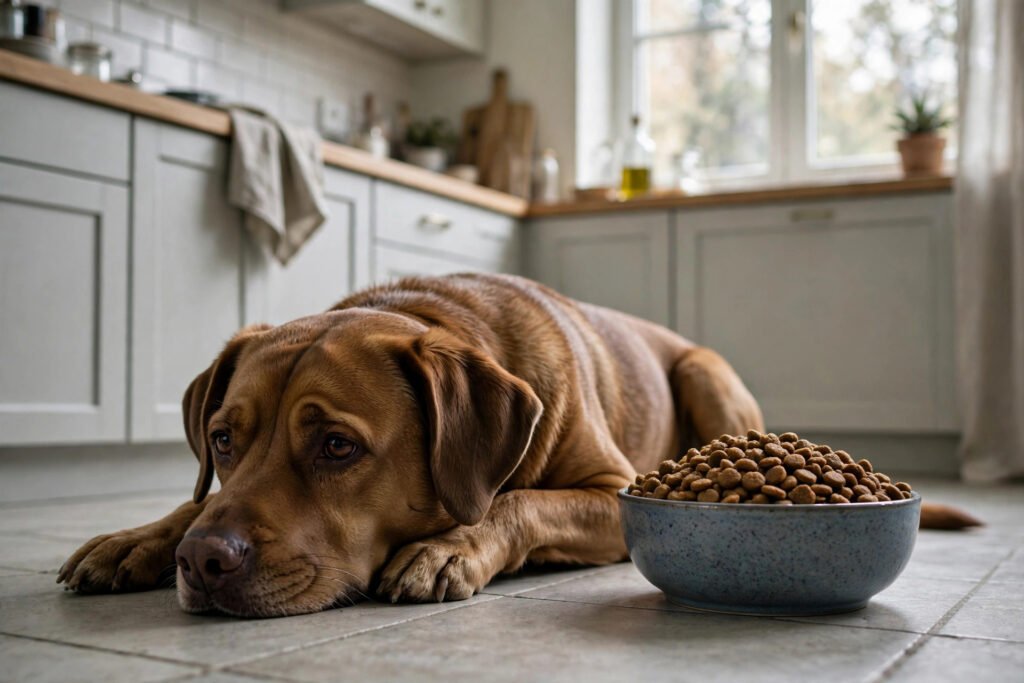
Your dog has inhaled every meal for years — and this morning, she sniffed the bowl and walked away. By dinner, still nothing. A dog that suddenly stops eating properly sets off alarm bells in every owner, and rightly so: appetite loss is one of the most common early warning signs veterinarians see. But it ranges from “the weather changed” to “emergency surgery,” and knowing how to triage the situation saves both panic and money. Here’s how to read a sudden appetite change like a vet tech would.
First, Define What “Not Eating Properly” Means
Not all appetite changes are equal. A dog that eats half her breakfast but happily takes treats is different from a dog that refuses everything including cheese. Note the specifics: Is she refusing all food or just kibble? Eating treats but not meals? Eating grass or odd objects instead? Drinking water normally? Any vomiting, diarrhea, lethargy, or drooling alongside? These details are exactly what your vet will ask, so observe for a few hours before calling — the pattern matters more than any single skipped meal.
The Benign Causes (Common and Usually Temporary)
Stress and routine disruption
Dogs are creatures of habit. Moving house, a new family member, travel, boarding, loud construction, or even a rearranged kitchen can suppress appetite for a day or two. Most dogs resume eating once the novelty fades. A recent scare — fireworks, a vet visit, a fight at the dog park — can do the same.
Heat and weather
Many dogs eat noticeably less during heat waves. It’s normal physiology — digestion generates heat, and the body self-regulates. As long as water intake stays normal and energy is fine, reduced summer appetite usually isn’t concerning.
Food issues
Stale or spoiled kibble (check the expiration date and smell the bag — rancid fat smells off), a recent formula change by the manufacturer, or simply boredom with the same food for years. Dogs also go off food they’ve associated with nausea — if she vomited after last Tuesday’s dinner, she may boycott that recipe for a while.
Recent vaccination or medication
Mild appetite loss for 24–48 hours after vaccines is common and expected. Some medications, especially antibiotics and pain meds, cause nausea. Check the drug information sheet — and never stop prescribed medication without calling your vet.
Pickiness and learned behavior
Be honest: have you been topping meals with chicken, hand-feeding, or offering five alternatives when she refuses? Dogs learn fast. A healthy dog holding out for better toppings is a training problem, not a medical one — and indulging it creates a cycle. The fix is boring but effective: put the food down for 15 minutes, pick it up uneaten, and offer nothing until the next meal. A healthy dog won’t starve herself.
Medical Causes That Need Attention
When appetite loss comes with other symptoms — or lasts beyond 24–48 hours in an adult dog (12–24 hours for puppies, who dehydrate fast) — think medical:
Dental pain. A cracked tooth, gum infection, or oral tumor makes chewing hurt. Signs: dropping food, chewing on one side, pawing at the mouth, bad breath, drooling. Dental disease is extremely common and frequently the hidden cause of “sudden” appetite loss in middle-aged dogs.
Gastrointestinal obstruction. The emergency. A dog that won’t eat, vomits repeatedly, strains unproductively, or has a painful, bloated belly may have swallowed something blocking the intestines. This can become life-threatening within hours — don’t wait and see.
Infections and systemic illness. Kidney disease, liver disease, pancreatitis, tick-borne illnesses (a real risk across much of America), and various infections all commonly present with appetite loss. Pancreatitis often follows a fatty meal — that stolen Thanksgiving turkey has consequences.
Pain anywhere. Arthritis flare-ups, injuries, ear infections — pain suppresses appetite generally. If she’s also moving stiffly or reluctantly, pain is high on the list.
Knowing when a symptom warrants professional care is a skill that transfers across species — the principle is the same: duration, severity, and accompanying symptoms determine urgency.
What to Do Right Now: The Triage Plan
Hours 0–12: Don’t panic. Remove the food after 15–20 minutes, ensure fresh water is available, and watch. Note energy level, vomiting, stool, and whether treats are accepted. Check for obvious issues: mouth injuries, swelling, recent dietary indiscretions (empty trash can?).
The bland test: Offer a small amount of plain boiled chicken and white rice. A dog that eats this eagerly likely has a mild stomach upset or food aversion rather than serious illness. A dog that refuses even chicken is telling you something more significant. VCA Hospitals’ guidance on appetite loss in dogs lists the same red flags, and PetMD’s guide to canine digestive emergencies is worth bookmarking for the middle-of-the-night worries.
Call the vet promptly if: appetite loss exceeds 24 hours (sooner for puppies under 6 months or diabetic dogs), she refuses all food including high-value treats, there’s repeated vomiting or diarrhea, the belly looks bloated or painful, she’s lethargic or weak, or you suspect she ate something dangerous. Also check food safety basics — telling whether food is still safe to eat applies to the kibble bag too; spoiled food is a common overlooked cause.
The 48-Hour Monitoring Log: What to Track
When appetite drops, systematic observation beats anxious hovering. For 48 hours, log: food offered vs. food eaten (estimate percentages), water intake (normal, increased, decreased), energy level (normal, slightly off, lethargic), vomiting or diarrhea (frequency, appearance), stool quality, and any new behaviors (panting, restlessness, hiding, lip licking). Note the timeline precisely — “stopped eating Tuesday evening, vomited once Wednesday morning, refused chicken Wednesday night” is the history your vet needs.
This log serves two purposes. First, it prevents the two classic errors: panicking over a single skipped meal (the log shows everything else is normal) and minimizing a real problem (the log reveals the pattern you’ve been rationalizing). Second, it makes the vet visit dramatically more productive — vets diagnose from histories, and a precise timeline often points straight at the cause. Keep it in your phone’s notes app; it takes 30 seconds per entry. Most appetite episodes resolve within the monitoring window with nothing but watchful waiting — but the ones that don’t arrive at the vet with a clear, actionable history instead of “she’s just not herself.”
Preventing the Next Appetite Strike
Feed a consistent, high-quality diet and resist the topping arms race. Store kibble properly — sealed, cool, dry, and within its date. Keep a feeding routine (same times, same place). Stay current on dental care; annual dental assessments catch the painful problems early. And know your dog’s normal: the owner who notices “she’s eating 20% less than usual” on day one catches problems weeks before the owner who notices “she hasn’t eaten in three days.”
Conclusion
A sudden appetite change in your dog is information, not automatically an emergency. Most cases resolve within a day and trace to stress, heat, stale food, or learned pickiness. But appetite loss lasting over 24 hours, combined with other symptoms, or involving refusal of even favorite treats deserves a vet call — and suspected obstruction or bloat deserves one immediately. Watch closely, triage calmly, and let the pattern guide you.
Frequently Asked Questions
How long can a dog go without eating before I worry?
A healthy adult dog skipping one or two meals is usually fine. Beyond 24 hours without food — or 12 hours for puppies — call your vet, especially with other symptoms.
My dog won’t eat kibble but eats treats — is that bad?
Usually it points to pickiness, dental discomfort with hard food, or a learned preference rather than serious illness. Try the bland-food test and check her mouth.
Can stress cause a dog to stop eating?
Absolutely — moving, travel, new pets or people, loud noises, and routine changes commonly suppress appetite for a day or two. Appetite returns as the dog adjusts.
What should I feed a dog that won’t eat?
Try plain boiled chicken and white rice in small amounts. If she refuses even that, or won’t eat for over 24 hours, see your vet rather than experimenting further.
Is it an emergency if my dog isn’t eating and vomiting?
It can be — repeated vomiting with appetite loss and a painful or bloated belly suggests possible obstruction, which is time-critical. Don’t wait; call your vet or an emergency clinic.