
How to Tan Faster Without Burning Your Skin
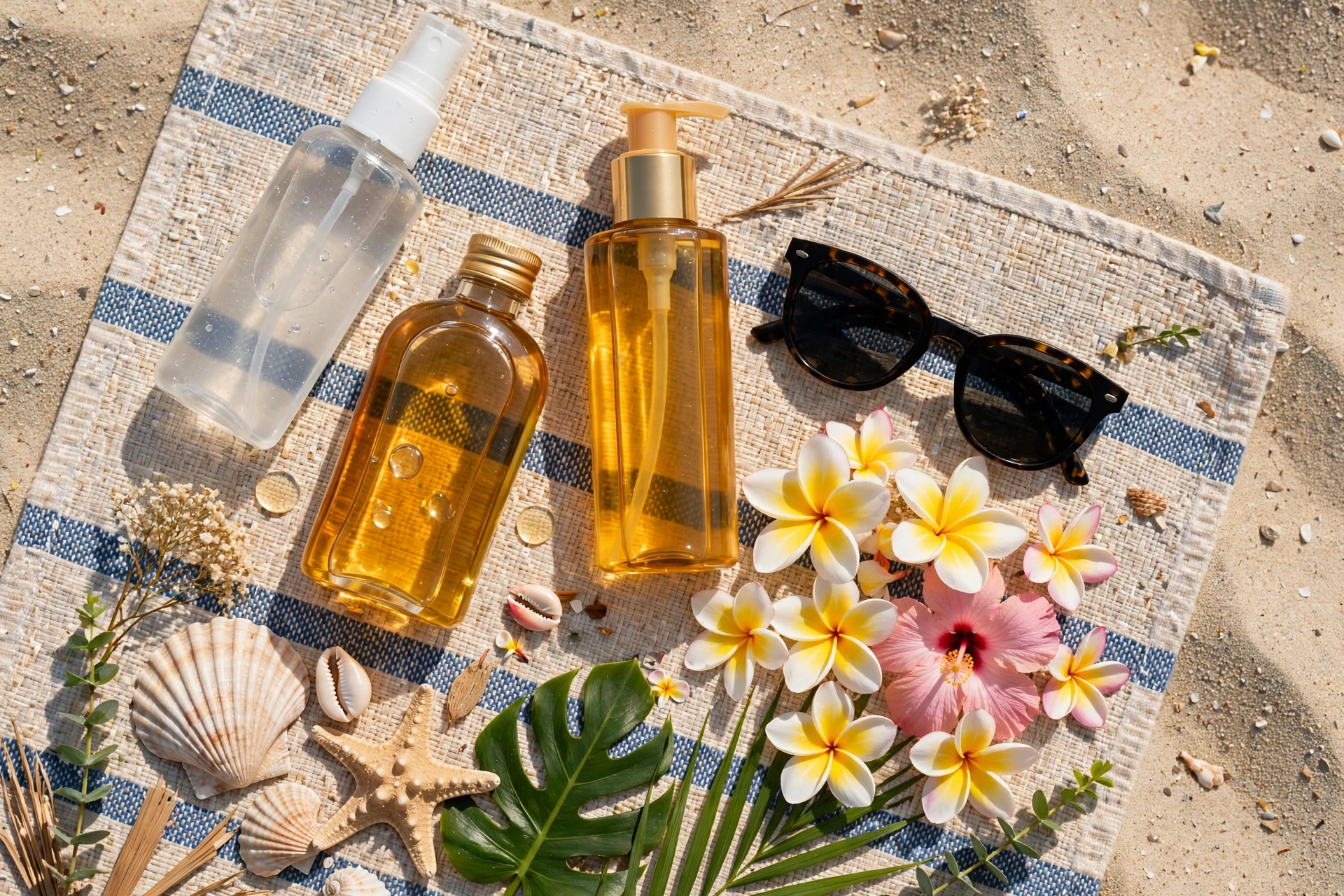
Everyone wants that sun-kissed glow — but nobody wants the burn, peeling, or long-term skin damage that comes with chasing it recklessly. Tanning faster is really about tanning smarter: maximizing melanin production efficiently while minimizing UV damage. Here is how to get bronzed quicker without wrecking your skin.
How Tanning Actually Works
When UV rays hit your skin, they trigger melanocytes (pigment cells) to produce melanin — your body’s natural sunscreen. That melanin migrates to the skin surface, creating the tan. Two things determine how fast you tan:
- Your skin type (Fitzpatrick scale I–VI). Fair skin (Type I–II) burns before it tans; olive and darker skin (Type III–VI) tans faster with less burn risk.
- UV intensity and exposure strategy. Short, smart sessions build color faster than one long burn.
Here is the counterintuitive truth: burning does not speed up tanning — it slows it down. A sunburn damages skin, triggers peeling (which strips away the tan you built), and forces you to stay out of the sun while healing. The fastest tanners are the ones who never burn.
The Smart Tanning Strategy
1. Exfoliate first
Dead skin cells block UV from reaching melanocytes evenly and cause patchy tanning. Exfoliate your whole body 24 hours before sun exposure — a sugar scrub, exfoliating mitt, or gentle chemical exfoliant all work. Pay extra attention to elbows, knees, and ankles. If you are unsure about frequency, our guide on how often to scrub your body covers the right schedule for your skin type.
2. Build gradually with short sessions
Start with 15–20 minutes per side and increase by 5 minutes daily. This progressive approach stimulates melanin without overwhelming your skin’s defenses. After 4–5 days of building, you will tan faster in each subsequent session because your melanin base is already established.
3. Time it right
UV is strongest between 10am and 4pm. Tanning during peak hours gets you color faster — but also burns you faster. The sweet spot for efficient-but-safer tanning is late morning or mid-afternoon, when UV is strong but not at its absolute peak. Always check the UV index; anything above 8 demands extra caution.
4. Use a tanning oil or lotion (with SPF)
Tanning oils with low SPF (8–15) attract UV while providing minimal protection — they help you tan faster than bare skin while reducing burn risk versus no protection at all. Never use baby oil or cooking oil — they offer zero protection and dramatically increase burn and skin cancer risk. Look for products with tyrosine or carrot oil, which are marketed to support melanin production (evidence is modest, but they moisturize well).
5. Stay hydrated — inside and out
Hydrated skin tans more evenly and holds color longer. Drink water throughout your session, and moisturize with aloe vera or a tan-extending lotion afterward. Dry, flaky skin sheds its tan faster.
6. Rotate positions
Flip every 15–20 minutes for even coverage. Uneven tanning wastes sessions — you will spend extra days fixing tan lines instead of deepening color.
7. Eat for your tan
Foods rich in beta-carotene (carrots, sweet potatoes, spinach) and lycopene (tomatoes, watermelon) may slightly boost your skin’s natural UV resilience and give a warmer undertone to your tan. It is not a substitute for smart sun habits, but it does not hurt.
What About Tanning Beds?
Tanning beds emit concentrated UVA radiation — they tan you faster, but at a steep cost. The American Academy of Dermatology is unequivocal: there is no safe way to tan from UV exposure, and indoor tanning before age 35 increases melanoma risk by 75%. If you want fast color without UV, self-tanner is the answer (see below).
The Fastest Safe Option: Self-Tanner
Honestly? The fastest way to look tanned is not to tan at all. Modern self-tanners are dramatically better than the orange streaky formulas of the past:
- Gradual tanning lotions — build color over 3–5 days with daily use. Most natural-looking, lowest streak risk.
- Mousses and sprays — develop in 4–8 hours. Use a mitt, apply in circular motions, and go easy on joints.
- Tanning drops — mix into your moisturizer for customizable, foolproof color.
- Professional spray tans — 15 minutes for an even, immediate glow that lasts 7–10 days.
Self-tanner + a few short real-sun sessions gives you the deepest, most natural-looking result with the least damage. Many dermatologists call this the only responsible way to be tan.
After-Sun Care: Keeping Your Tan
- Moisturize twice daily. Tan fades as skin cells shed; moisturized skin sheds slower.
- Take lukewarm showers. Hot water strips oils and accelerates peeling.
- Skip harsh exfoliants while maintaining a tan — save the scrubbing for before your next tanning phase.
- Use tan-extending lotions with a hint of DHA (the self-tanner ingredient) to top up color between sessions.
A well-maintained tan lasts 7–10 days after your last session before noticeably fading.
Protecting Your Skin While Tanning
This is non-negotiable, no matter how fast you want results:
- Never skip SPF on your face. Facial skin shows aging fastest. Use SPF 30+ on your face even while tanning your body — a smooth, hair-free look pairs better with healthy skin than a leathery tan anyway.
- Protect moles and sensitive areas. Cover new or changing moles; they are more vulnerable to UV.
- Wear sunglasses. UV damages eyes too, not just skin.
- Know the warning signs. The Skin Cancer Foundation stresses that any tanning is skin damage — monitor moles with the ABCDE rule and see a dermatologist annually.
Frequently Asked Questions
Can fair-skinned people tan faster?
Type I–II skin will always tan slower and burn easier. For very fair skin, self-tanner is genuinely the better option — fighting your genetics with UV just produces burns and damage.
Does wet skin tan faster?
Slightly — water droplets can focus UV like tiny lenses. But the effect is modest and the burn risk increase is real. Not worth it as a strategy.
How long does a tan take to develop?
Melanin production ramps up over 48–72 hours after exposure. That “glow” right after sunbathing is partly inflammation — the real tan develops over the next 2–3 days.
Common Tanning Mistakes That Slow You Down
Several well-intentioned habits actually delay your tan. Tanning through glass (car windows, conservatories) is ineffective — glass blocks most UVB rays responsible for melanin production while letting UVA through, so you get damage without color. Applying SPF after you start tanning instead of before leaves you unprotected during the highest-exposure minutes. Using expired sunscreen or tanning oil means unpredictable protection. And tanning on consecutive days without rest doesn’t speed results — melanin production needs 48-72 hours per cycle, so daily marathon sessions just accumulate damage. Space sessions every other day for the fastest safe progress.
Remember that a tan is your skin’s distress signal — there is no such thing as a “healthy tan” from UV exposure. The strategies above minimize harm while maximizing color, but the healthiest glow will always come from a bottle. Consider mixing approaches: build a base with self-tanner, then add depth with a few careful sun sessions.
The Bottom Line
To tan faster: exfoliate first, build with short progressive sessions, use a low-SPF tanning oil (never baby oil), stay hydrated, and moisturize religiously afterward. Never chase speed by burning — it sets you back days and damages your skin permanently. And remember that the fastest, safest tan comes from a bottle, not the sun.



