
How to Eyebrows Grow Back: Proven Tips for Fuller Brows
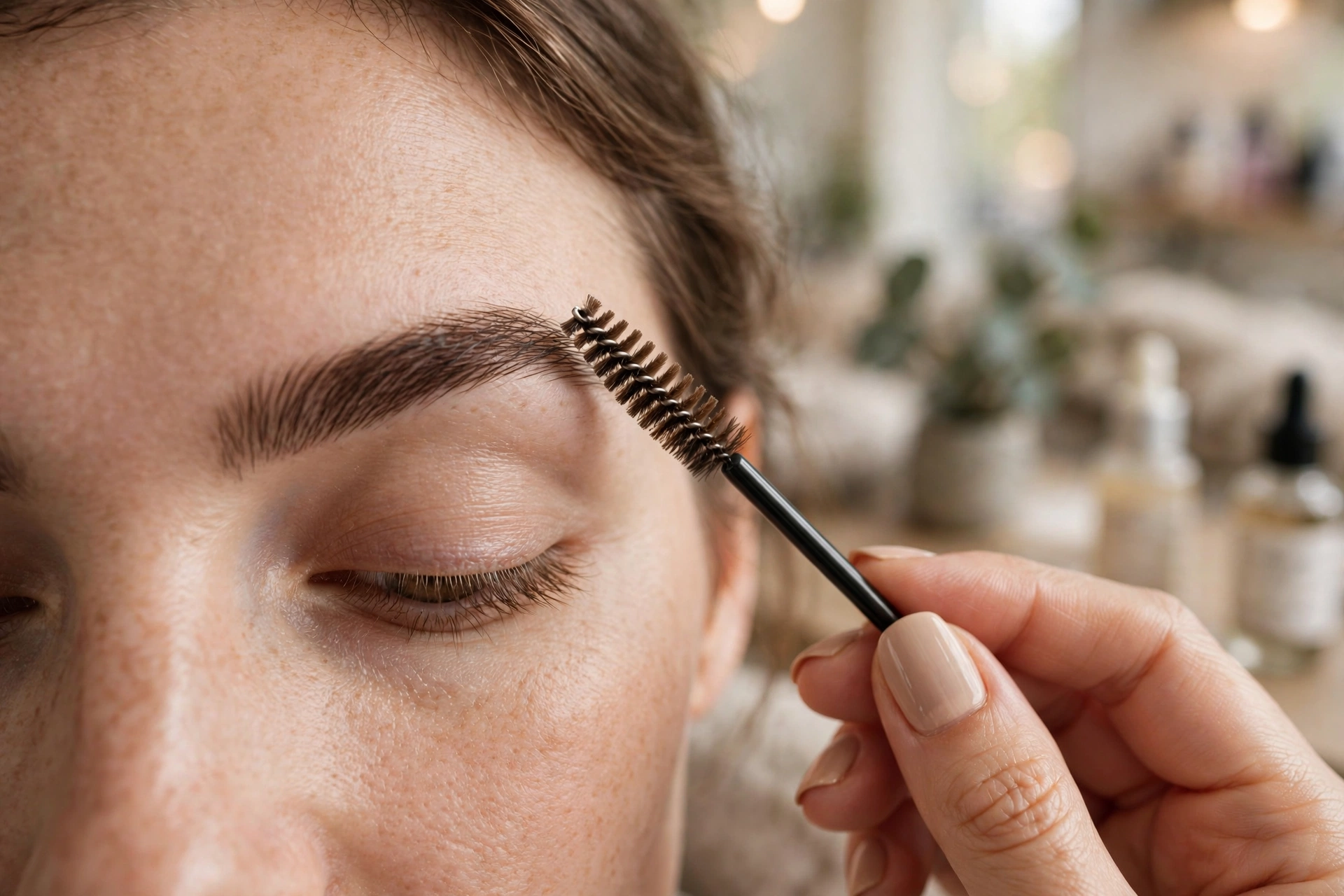
Whether you over-plucked in the 2000s, went too hard with the tweezers last week, or just want fuller brows, growing out your eyebrows takes patience — but it is absolutely doable. Eyebrow hair grows slower than scalp hair and follows its own cycle, so setting realistic expectations and supporting growth properly makes all the difference.
Understanding the Eyebrow Growth Cycle
Eyebrow hairs go through the same three phases as other hair, but on a faster timeline:
- Anagen (growth): Lasts only 1–2 months for brows (vs. years for scalp hair). This short window is why brows never grow as long as head hair.
- Catagen (transition): About 2–3 weeks, where growth stops and the follicle shrinks.
- Telogen (resting/shedding): The old hair falls out and a new one begins. This phase lasts several weeks.
A full brow regrowth cycle takes roughly 3–4 months, though you will see noticeable improvement in 6–8 weeks. Hairs grow about 0.14mm per day — slower than scalp hair. The key takeaway: put the tweezers down completely for at least 12 weeks before judging results.
Step 1: Stop All Hair Removal (Yes, Completely)
This is the hardest part. No tweezing, no waxing, no threading — not even “just the strays.” Every hair you remove resets that follicle’s cycle. If you absolutely cannot stand the in-between phase:
- Use a brow gel to tame unruly hairs into place.
- Fill sparse areas with a brow pencil or powder while you wait.
- Get a brow tint — it colors fine vellus hairs you did not know you had, making brows look fuller instantly.
Think of it like growing out a bad haircut: the awkward phase is temporary and necessary.
Step 2: Nourish the Follicles
Topical treatments with evidence
- Minoxidil (Rogaine): Originally for scalp hair loss, some dermatologists recommend off-label use on brows. Small studies show it can stimulate brow growth. Use the 2% formula, apply sparingly with a cotton swab, and stop if you get irritation. Discuss with a dermatologist first.
- Bimatoprost (Latisse): FDA-approved for eyelash growth; some doctors prescribe it off-label for brows. Effective but expensive and requires ongoing use.
- Peptide serums: Brow serums with peptides (like copper peptides) and biotin have weaker evidence but are low-risk and may support the growth environment.
- Castor oil: The internet’s favorite remedy. There is no strong clinical evidence it grows hair, but it conditions existing hairs so they break less — which makes brows look fuller. Harmless to try.
What to avoid
Skip harsh exfoliants (glycolic acid, strong retinoids) directly on the brow area while regrowing — they can irritate follicles. And be cautious with brow lamination or tinting chemicals during the regrowth phase; give follicles a break.
The American Academy of Dermatology’s hair loss resources note that sudden brow thinning can sometimes signal thyroid issues or alopecia areata — worth checking if loss is dramatic or patchy rather than from over-plucking.
Step 3: Support Growth From the Inside
Hair is built from protein, so adequate nutrition matters:
- Protein: Aim for sufficient daily intake — hair is primarily keratin, a protein.
- Biotin: Deficiency causes hair thinning, though true deficiency is rare. A B-complex is reasonable insurance.
- Iron and zinc: Low levels are linked to hair shedding. Get tested if you suspect deficiency rather than supplementing blindly.
- Omega-3s: Support scalp and skin health generally.
No supplement will override genetics, but correcting a deficiency can unlock growth that was being held back.
Step 4: Shape Strategically (Once Growth Returns)
After 12+ weeks of hands-off growth, visit a professional for shaping — ideally someone who specializes in brows, not a general waxing chain. Bring reference photos of your natural brow shape goal. A good brow artist will:
- Map your brows to your facial proportions (start, arch, and tail aligned to your nose and eyes).
- Remove only what is clearly outside your natural shape.
- Recommend a maintenance schedule (usually every 4–6 weeks) rather than weekly tweezing.
Between appointments, maintain with a spoolie and brow gel rather than tweezers. And keep the rest of your eye area gentle — when you remove mascara properly without tugging, you protect the delicate brow-area skin too.
When Growth Doesn’t Come Back
Sometimes follicles are permanently damaged — years of aggressive plucking, scarring, or conditions like frontal fibrosing alopecia can destroy them. Signs this might be your situation:
- No regrowth at all after 6+ months of zero plucking.
- Smooth, shiny skin where brows used to be (suggests scarring).
- Brow loss accompanied by scalp hair loss or other symptoms.
Options if follicles are gone:
- Microblading/microshading: Semi-permanent tattoo technique creating hair-like strokes. Lasts 1–3 years. Choose an experienced, licensed artist and check healed (not fresh) photos.
- Brow transplant: Hair follicles transplanted from the scalp. Permanent but expensive ($3,000–$8,000) and the transplanted hair grows like scalp hair — it needs regular trimming.
- Prescription treatments: A dermatologist can evaluate whether options like minoxidil, bimatoprost, or treating an underlying condition could help.
The Mayo Clinic’s hair loss guide covers when to seek medical evaluation for any unexplained hair thinning, including eyebrows.
Maintaining Full Brows Long-Term
Once you have your brows back:
- Tweeze sparingly — only obvious strays, in natural daylight, never before an event.
- Brush daily with a spoolie to train hairs and distribute natural oils.
- Condition weekly — a dab of castor oil or brow conditioner keeps hairs flexible and less prone to breakage.
- Protect from sun — UV damages hair protein just like skin collagen.
- Be cautious with Botox — forehead Botox placed too low can drop the brow tail. If you are considering it, read how often Botox is needed and discuss brow position with your injector.
Frequently Asked Questions
How long does it take for eyebrows to grow back fully?
Expect 3–4 months for a full cycle. You will see meaningful improvement by 6–8 weeks if you stop all plucking completely.
Does shaving eyebrows make them grow back thicker?
No — this is a myth. Shaving cuts hair at its thickest point, so regrowth feels coarser initially, but the hair itself is unchanged. Still, shaving brows is risky for shape; avoid it.
Can stress cause eyebrow hair loss?
Yes. Telogen effluvium — stress-triggered shedding — can affect brows along with scalp hair. It is usually temporary once the stressor resolves.
Brow Products That Help During Regrowth
While waiting for natural growth, the right products make the awkward phase manageable. Brow pencils with fine tips create hair-like strokes that look more natural than filling with powder. Tinted brow gels add color and hold unruly regrowth in place simultaneously — ideal for the messy middle weeks. For special occasions, brow stencils help you draw a symmetrical shape while your natural brows are still patchy. And don’t underestimate a good concealer applied around (not on) the brow area to create a clean, defined edge that makes sparse brows look intentional rather than neglected.
The Bottom Line
Growing out your eyebrows is a test of patience, not complicated technique: stop plucking entirely for 12+ weeks, nourish with proven topicals, eat enough protein, and shape professionally once growth returns. Most people are surprised by how much comes back once follicles get an uninterrupted cycle. And if some areas stay sparse, modern options from tinting to microblading can fill the gaps beautifully.



