Should Dogs Wear Clothes in Winter? Vet-Approved Answer
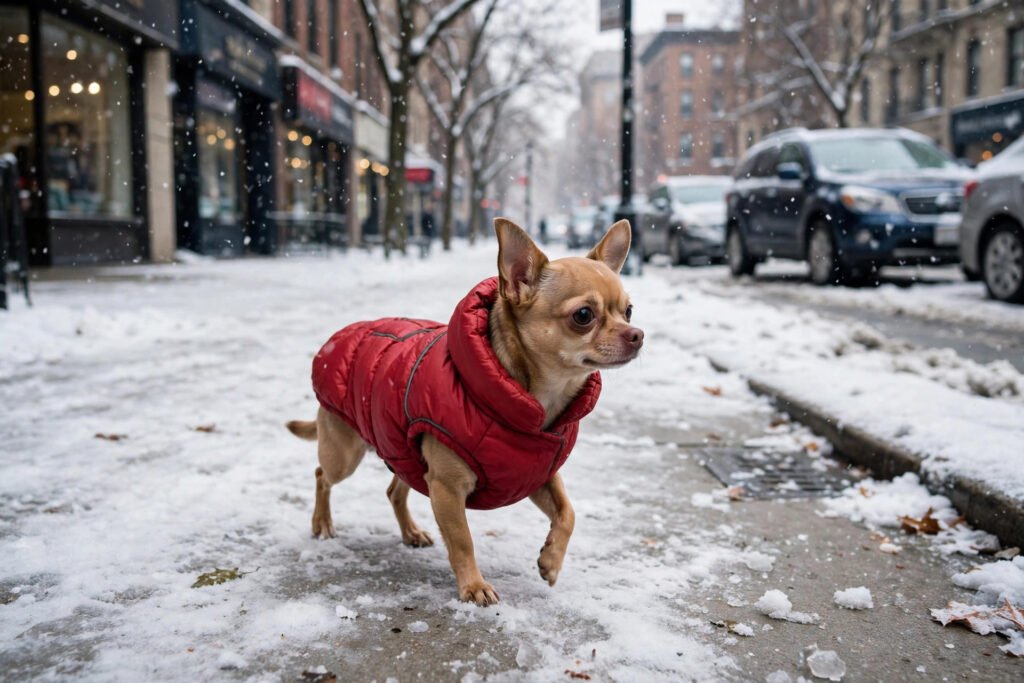
Scroll through any American city’s winter streets and you’ll see them: Chihuahuas in puffer jackets, Greyhounds in fleece snoods, French Bulldogs in tiny raincoats. Half the internet calls it adorable; the other half calls it ridiculous anthropomorphism. So which is it — do dogs actually need clothes in winter, or are we just dressing up our pets for Instagram? The answer, according to veterinarians, is genuinely both: some dogs truly need winter clothing for health and safety, and some are perfectly fine naked in a blizzard. Knowing which category your dog falls into is the difference between responsible care and an unnecessary wardrobe.
Which Dogs Actually Need Winter Clothes
Dogs aren’t uniformly equipped for cold. The ones that genuinely benefit from coats and sweaters share predictable traits:
Small and toy breeds. Chihuahuas, Yorkies, Italian Greyhounds, and similar breeds lose heat fast — high surface-area-to-volume ratio means their body heat escapes rapidly. What’s a brisk walk for you can be a hypothermia risk for them.
Short-coated and single-coated breeds. Greyhounds, Whippets, Boxers, Pit Bulls, Dalmatians, and French Bulldogs lack the insulating undercoat that double-coated breeds rely on. A Boxer in 25°F weather is underdressed by nature.
Puppies, seniors, and sick dogs. Young puppies can’t regulate body temperature well, older dogs often have thinner coats and conditions like arthritis that cold worsens, and dogs with illnesses such as Cushing’s disease or hypothyroidism may struggle with thermoregulation.
Low-body-fat athletes. Lean, muscular breeds with minimal fat insulation feel the cold more than their fluffy counterparts.
Conversely, Huskies, Malamutes, Newfoundlands, Bernese Mountain Dogs, and other double-coated northern breeds are walking winter gear — clothing them can actually cause overheating. If your dog seeks out snowbanks and lies in them happily, she doesn’t need your sweater. The American Kennel Club publishes breed-specific cold tolerance guidance that’s worth checking for your particular dog. The ASPCA’s cold-weather pet safety tips cover the rest of winter hazards, from antifreeze to frozen water bowls.
Signs Your Dog Is Too Cold (With or Without a Coat)
Dogs can’t say “I’m freezing,” but they broadcast it clearly: shivering or trembling, tucking the tail tightly, lifting paws off the ground, whining, seeking shelter or trying to turn home, and in serious cases, lethargy or stumbling. Frostbite targets ears, paws, and tails; hypothermia is a genuine emergency. The commonly cited threshold: once temperatures drop below about 45°F, small and cold-sensitive dogs need protection; below 32°F, most dogs shouldn’t be out long; below 20°F, even cold-tolerant breeds need limited exposure. Wind chill counts — a 30°F day with 20 mph wind feels far colder to a short-coated dog.
Choosing the Right Winter Gear
Not all dog clothes are equal, and fit matters more than fashion:
Coats and jackets
Look for water-resistant or waterproof outer shells with fleece or insulated lining. The coat should cover from neck to tail base without restricting leg movement, fasten securely (belly straps beat pullovers for anxious dogs), and allow bathroom breaks without removal. Reflective strips are a smart bonus for dark winter evenings.
Sweaters
Fine for dry, mildly cold days and indoor warmth for truly cold-sensitive breeds. Wool and fleece outperform cotton, which loses insulation when damp. Sweaters aren’t substitutes for waterproof coats in rain or wet snow.
Boots
The most functional and most resisted item. Boots protect against ice-melting salt and chemical deicers — which burn paw pads and are toxic when licked off — plus ice balls that form between toes. Most dogs walk like confused astronauts for the first few outings; short positive sessions with treats fix this within a week. If boots are a non-starter, paw wax balm is a reasonable second choice.
Snoods and ear covers
For breeds with thin ears prone to frostbite (Greyhounds especially), a simple fleece snood makes a real difference.
Fit checklist: you should be able to slide two fingers under any strap, nothing should rub the armpits or groin, and the dog should move, sit, and lie down naturally. And just as you’d prepare your own wardrobe, layering for cold weather principles apply — a base layer plus a waterproof shell beats one thick garment.
How to Measure Your Dog for Clothes That Actually Fit
Ill-fitting dog clothes cause most of the problems people blame on the concept itself — chafing, restricted movement, and the miserable dog in the viral photo. Measuring takes two minutes and changes everything. You’ll need three numbers: back length (base of neck to base of tail, following the spine), chest girth (the widest part of the ribcage, just behind the front legs), and neck circumference (where a collar sits). Measure with a soft tape, snug but not tight, while the dog stands naturally.
Compare against the manufacturer’s size chart — never assume sizes are consistent between brands (a “medium” varies wildly). When between sizes, size up for comfort; a slightly loose coat beats a restrictive one. Then do the function test: with the garment on, the dog should walk, sit, lie down, and turn comfortably; you should fit two fingers under all straps; and there should be no rubbing at the armpits or groin. Watch for the first 15 minutes of wear — a dog that freezes, refuses to move, or tries to chew the garment off is telling you the fit is wrong (or that she needs a slower introduction with treats). For deep-chested breeds like Greyhounds and Dachshunds with their long backs, look for breed-specific cuts — standard sizing often fails these body shapes, and a coat that fits the chest but leaves the back exposed (or vice versa) helps no one.
The Case Against Overdressing
Clothing has downsides worth respecting. Dogs regulate heat primarily through panting and their paw pads — an overdressed dog on an active walk can overheat even in cold air, especially double-coated breeds. Poorly fitted garments cause chafing, matting in long coats, and restricted movement. Some dogs find clothing genuinely stressful, and a stressed dog isn’t a warmer dog. Watch your individual animal: shivering means add a layer; heavy panting in the cold means remove one. Don’t forget the home front either — weatherproofing your home for winter keeps the indoor environment comfortable so the coat can come off at the door.
Conclusion
Dressing your dog for winter is perfectly okay — and for small, short-coated, young, old, or ill dogs, it’s responsible care, not silliness. Match the clothing to your dog’s actual cold tolerance, prioritize fit and function over fashion, protect the paws from salt, and watch for both shivering and overheating. The goal isn’t a fashion show; it’s a dog that’s comfortable enough to enjoy winter walks as much as you do.
Frequently Asked Questions
At what temperature should I put a coat on my dog?
Below about 45°F for small, short-coated, young, senior, or ill dogs. Below 32°F, most dogs benefit from limited exposure; below 20°F, keep outings short for all breeds.
Do big dogs need winter coats?
Usually not — large, double-coated breeds handle cold well. Exceptions include short-coated large breeds (Boxers, Pit Bulls, Greyhounds), seniors, and dogs with health conditions.
Are dog boots really necessary?
They’re the most functionally valuable winter item, protecting against salt, chemical deicers, and ice. If your dog won’t tolerate boots, paw wax is a decent alternative.
Can a dog overheat wearing clothes in winter?
Yes, especially active double-coated breeds. Watch for heavy panting, and remove layers if the dog seems too warm. Dress for the activity level, not just the thermometer.
How do I get my dog used to wearing clothes?
Introduce garments during calm moments with treats and praise, keep early sessions short, and never force it. Most dogs accept clothing within a few positive sessions.