Best Sunscreen for Oily, Acne-Prone Skin: What Actually Works
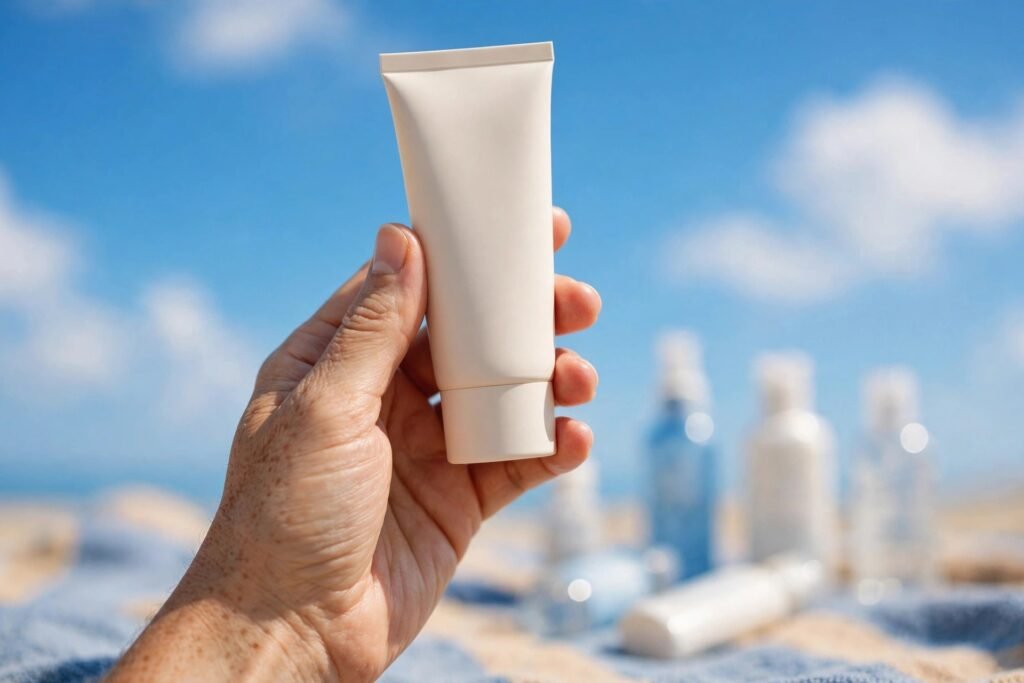
Finding sunscreen when you have oily, acne-prone skin feels like choosing between two bad outcomes: skip it and risk sun damage and dark marks, or wear it and spend the day shiny, greasy, and breaking out. It is one of the most common skincare frustrations in America — and it is also one of the most solvable, because the problem was never sunscreen itself. It was the wrong sunscreen.
Modern formulations have changed the game entirely. Today’s best sunscreens for oily, breakout-prone skin are lightweight, mattifying, non-comedogenic, and genuinely pleasant to wear. This guide explains what to look for, which ingredients help or hurt, how to layer SPF without triggering breakouts, and the application rules that make sunscreen actually protect you.
Why Sunscreen Matters Even More for Acne-Prone Skin
Here is the part many people miss: sun exposure makes acne worse, not better. That temporary “drying out” effect of a beach day is followed by rebound oil production, thickened skin that traps debris in pores, and post-inflammatory hyperpigmentation — the dark spots left behind after pimples heal. UV exposure deepens those marks and makes them linger for months instead of weeks.
There is also the medication factor. Common acne treatments — benzoyl peroxide, retinoids like tretinoin and adapalene, and many antibiotics — increase sun sensitivity significantly. Skipping sunscreen while on these treatments is genuinely risky. The American Academy of Dermatology’s sun protection guidance is unequivocal: everyone needs daily SPF, and acne-prone skin needs it with the right formula.
The Non-Negotiables: What the Label Must Say
Before considering texture or finish, check for three things. SPF 30 or higher — SPF 30 blocks about 97% of UVB rays when applied correctly, and going higher adds only marginal gains, so 30–50 is the sweet spot. Broad spectrum — this means it protects against both UVB (burning) and UVA (aging, deeper damage); without it, you are only half-protected. And non-comedogenic — formulated not to clog pores, which is the baseline requirement for breakout-prone skin.
“Oil-free” is helpful but not sufficient on its own — some oil-free formulas still contain pore-clogging waxes or heavy silicones. “Non-comedogenic” is the claim that actually gets tested for pore-clogging potential, so prioritize it.
Mineral vs. Chemical: Which Is Better for Oily Acne-Prone Skin?
Mineral (physical) sunscreens use zinc oxide and titanium dioxide to sit on the skin and deflect UV rays. They are less likely to irritate sensitive or reactive skin, and zinc oxide is naturally anti-inflammatory — a genuine plus for acne. The historical downside was the white cast, but modern tinted and nano formulations have largely solved this, including options that work on deeper skin tones.
Chemical sunscreens use filters like avobenzone and octocrylene that absorb UV. They tend to have more elegant, lightweight textures — the fluid, serum-like formulas oily skin loves most are usually chemical. The tradeoff is a slightly higher chance of irritation or stinging, especially around the eyes, and some people with very reactive skin do better avoiding them.
For oily acne-prone skin, either can work — the formulation matters more than the filter type. A well-made chemical fluid beats a thick greasy mineral cream every time. If your skin is both oily and sensitive, start with mineral; if texture is your top priority, try the new-generation chemical fluids.
Ingredients That Help (and Ones to Avoid)
Look for niacinamide (regulates oil production and calms inflammation), zinc oxide (mattifying and soothing), silica or perlite (oil-absorbing powders that keep shine down), and hyaluronic acid or glycerin (lightweight hydration so skin does not overcompensate with oil). Gel and fluid textures almost always suit oily skin better than creams.
Be cautious with heavy plant oils (coconut oil is famously comedogenic), cocoa butter, and fragranced formulas — fragrance is a top irritant for reactive skin. Also watch for sunscreens loaded with pore-clogging emollients like isopropyl myristate. When in doubt, the FDA’s sunscreen guidance explains how to read active ingredients and what the testing behind the claims means.
How to Layer Sunscreen Without Causing Breakouts
Order and amount matter as much as the product. Sunscreen goes on last in your morning routine — after serums and moisturizer, before makeup. On oily skin, you can often skip the separate morning moisturizer entirely if your sunscreen is hydrating enough; fewer layers means fewer chances of clogging.
Use the right amount: a full quarter-teaspoon for the face alone, or the two-finger rule (a line of product down your index and middle fingers). Most people apply a third of what they need, which means their SPF 50 is functioning more like SPF 15. Let it set for a few minutes before makeup, since sunscreen that has not set will pill under base makeup.
Reapplication Without Ruining Your Face
Reapply every two hours in direct sun. For made-up faces, SPF setting sprays, powder sunscreens, and cushion compacts let you top up without disturbing makeup. A blotting sheet first, then the SPF product, keeps the reapplication layer thin. At the beach or outdoors all day, reapply to bare skin properly — no shortcut replaces a full layer.
Drugstore vs. Premium: Do You Need to Spend More?
Honestly? Not necessarily. Some of the best-reviewed sunscreens for oily skin in America are drugstore staples under $15. What you are paying for in premium formulas is usually texture elegance and cosmetic finish, not better protection — SPF testing standards are the same regardless of price. Buy the one you will actually wear every day; the best sunscreen is the one that makes it onto your face. Stress matters too — keeping stress levels naturally low helps regulate the cortisol that drives excess oil and breakouts.
Skin health is also an inside job: foods that support healthy skin — rich in antioxidants and omega-3s — help your skin defend itself against UV-induced inflammation from within, complementing (never replacing) topical SPF.
Conclusion
The best sunscreen for oily, acne-prone skin is one that checks four boxes: SPF 30+ broad spectrum, non-comedogenic, a lightweight gel or fluid texture you enjoy wearing, and ingredients like niacinamide or zinc that actively help oily skin rather than fighting it. Apply a full quarter-teaspoon as the last morning step, reapply through the day, and stop thinking of sunscreen as the enemy of clear skin — with the right formula, it is one of its best friends. Your future self, free of sun-deepened acne marks, will be grateful.
Frequently Asked Questions
Does sunscreen cause acne?
Sunscreen itself does not cause acne, but heavy, comedogenic formulas can clog pores and trigger breakouts. Switching to a non-comedogenic, oil-free fluid or gel formula resolves the problem for most people.
Can I skip moisturizer if my sunscreen is hydrating?
Yes — many people with oily skin do this successfully. If your sunscreen contains hydrating ingredients like hyaluronic acid or glycerin, it can double as your morning moisturizer. Add a separate moisturizer only if your skin still feels tight.
Is mineral or chemical sunscreen better for acne-prone skin?
Both can work. Mineral formulas with zinc oxide tend to be gentler and less irritating; modern chemical fluids often have the most elegant lightweight textures. Choose based on your skin’s sensitivity and which texture you will wear daily.
How much sunscreen should I apply to my face?
About a quarter-teaspoon, or two full finger-lengths of product. Studies consistently show people apply far too little, drastically reducing the labeled SPF protection.
Do I need sunscreen indoors or on cloudy days?
Yes. UVA rays penetrate clouds and window glass, contributing to aging and hyperpigmentation. Daily SPF is recommended year-round, regardless of weather — clouds block only a fraction of UV radiation.