How to Prevent Ingrown Hairs After Shaving: The Full Playbook
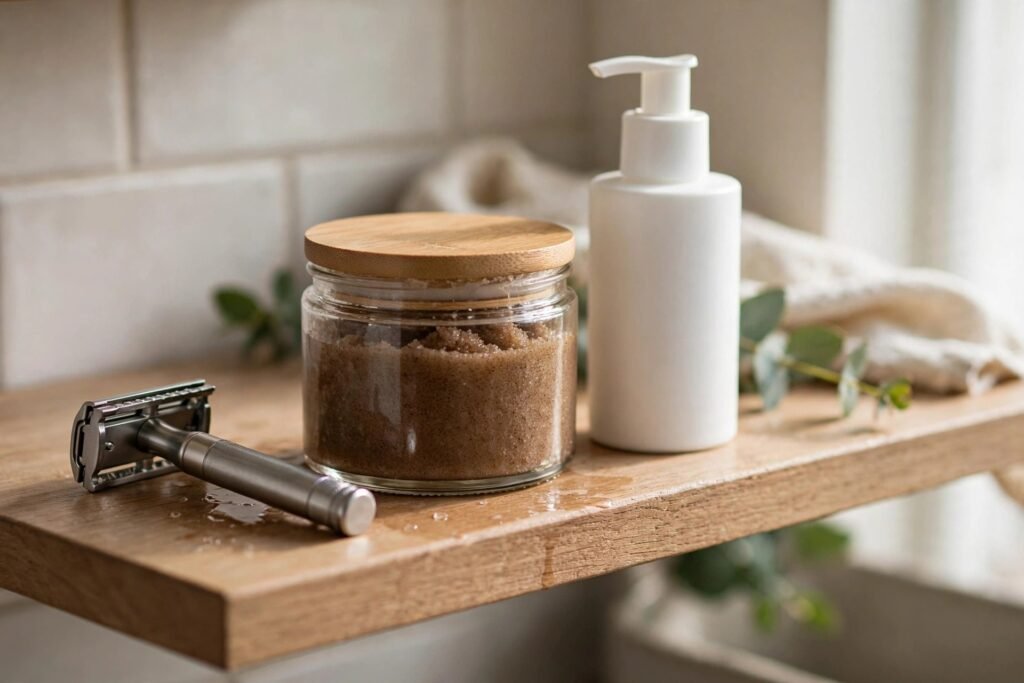
Ingrown hairs are the uninvited guests of every shaving routine: small, red, sometimes painful bumps that appear a day or two after what should have been a smooth shave. They happen when a shaved hair curls back into the skin or grows sideways under the surface instead of pushing through. The body treats the trapped hair as a foreign invader, and the resulting inflammation is what you see and feel.
Nearly everyone who shaves deals with them — on legs, underarms, the bikini line, or the face and neck. The encouraging news is that ingrown hairs are largely preventable. Dermatologists point to a short list of shaving habits that cause most cases, and correcting them eliminates the problem for the majority of people. Here is the full prevention playbook.
Why Ingrown Hairs Happen After Shaving
Three factors team up to create ingrowns. First, hair type: curly or coarse hair is far more likely to curl back into the follicle — which is why the bikini area and men’s beards are hotspots. Second, technique: shaving against the grain, stretching the skin taut, or pressing too hard cuts the hair below the skin’s surface, giving it a sharp tip positioned to re-enter the skin. Third, dead skin buildup: a layer of dead cells can cap the follicle opening, forcing the growing hair to turn sideways underneath.
Understanding this trio matters because prevention targets all three: soften and lift the hair, cut it cleanly at the right level, and keep the follicle openings clear. The American Academy of Dermatology’s shaving guidance covers the fundamentals, and the details below build on them.
Step 1: Prep the Skin and Hair Properly
Most ingrown-hair trouble starts before the razor ever touches skin. Dry shaving — or a rushed shave with a thin smear of soap — is the fastest route to irritation and ingrowns. Hair absorbs water and swells, becoming softer and easier to cut cleanly. Shave at the end of a warm shower, after at least three to five minutes of warmth and moisture, or hold a warm damp towel on the area for a few minutes.
Then use a real shaving cream or gel, not bar soap or body wash, which do not provide enough slip. A thick, moisturizing lather lets the blade glide instead of dragging. Dragging pulls hairs before cutting them, leaving sharp angled tips below the surface — prime ingrown material.
Step 2: Exfoliate — the Single Most Effective Prevention
If you do one thing from this article, make it this: exfoliate regularly. Dead skin cells blocking follicle openings are behind a huge share of ingrown hairs. Gentle exfoliation two to three times a week keeps the exit path clear so growing hairs surface normally instead of turning inward.
Chemical exfoliants containing salicylic acid (a BHA) are ideal because the acid is oil-soluble and can actually get inside the follicle to dissolve the plug. A salicylic acid body wash or a leave-on BHA lotion on ingrown-prone areas works quietly in the background. Physical exfoliation — a soft washcloth, an exfoliating mitt, or a gentle scrub — also helps, but be moderate: scrubbing irritated skin raw creates inflammation that makes ingrowns worse, not better. Overall skin resilience matters too, and eating for healthy skin supports faster, calmer healing when bumps do appear.
Step 3: Fix Your Razor and Your Stroke
Your razor matters enormously. A dull blade does not cut — it tugs, leaving jagged hair tips that re-enter the skin easily. Replace blades or disposable razors every five to seven shaves (sooner for coarse hair). Multi-blade razors cut closer but also cut below skin level more often; if you are ingrown-prone, a single-blade safety razor or a razor designed for sensitive skin often performs better despite the less “close” marketing.
Technique rules that prevent ingrowns:
Shave with the grain first. Going against the grain gives a closer shave but cuts hair beneath the surface — the classic ingrown setup. One pass with the grain, then a second across the grain only if needed, beats a single aggressive against-the-grain pass.
Do not stretch the skin tight. Stretching lets the blade cut the hair below the surface; when the skin relaxes, the sharp tip retracts under the skin and grows inward.
Use light pressure. Let the blade’s weight do the work. Pressing hard causes micro-cuts and inflammation that trap hairs.
Rinse the blade often. A clogged blade drags. Rinse after every few strokes.
Step 4: What You Do After the Shave
Post-shave care seals the deal. Rinse with cool water to calm the skin, pat dry (do not rub), and apply a fragrance-free moisturizer while skin is still slightly damp. For ingrown-prone areas, a product with salicylic acid or glycolic acid doubles as ongoing prevention.
Avoid tight clothing immediately after shaving the bikini line or legs — friction and trapped sweat irritate freshly shaved follicles. And resist the urge to tweeze or dig at bumps. Picking at an ingrown hair introduces bacteria and can turn a minor bump into an infected, scarring lesion. If a bump is persistent, a warm compress for ten minutes softens the skin and often lets the hair surface on its own.
When to Leave It Alone vs. When to See a Doctor
Most ingrown hairs resolve in a week or two. See a dermatologist if bumps are large, very painful, spreading, filled with pus, or leaving dark marks — these can be infected follicles (folliculitis) needing treatment. People who get ingrowns constantly despite good technique may benefit from prescription options or a discussion about longer-term hair removal. The FDA’s cosmetics safety resources are useful background when evaluating depilatory or “bump treatment” products marketed for this problem.
Long-Term Alternatives If Shaving Keeps Failing You
Some hair and skin types simply do not tolerate shaving well. If you have done everything above for a month and still battle ingrowns, consider alternatives: electric trimmers that leave a millimeter of stubble (hair cut above the surface cannot grow inward), depilatory creams (test for sensitivity first), or laser hair removal — the most definitive solution, since no hair means no ingrowns. Laser works best on dark hair and light skin, though newer devices handle a wider range of skin tones; consult a board-certified dermatologist for candidacy.
Chronic stress can also worsen skin inflammation and slow healing — keeping stress levels naturally lower is a small but real part of keeping skin calm and bump-free.
Conclusion
Preventing ingrown hairs after shaving is not about buying a miracle product — it is about respecting the mechanics of hair and skin. Hydrate and soften before the blade, exfoliate to keep follicles clear, use a sharp razor with light with-the-grain strokes, and moisturize after. Most people see a dramatic reduction within two to three weeks of adopting this routine. And when shaving itself is the problem your hair type will not forgive, trimmers or laser offer an exit ramp. Smooth skin should not require suffering.
Frequently Asked Questions
How do I get rid of an ingrown hair fast?
Do not pick it. Apply a warm compress for 10 minutes, then a salicylic acid product to help the hair surface. Most resolve on their own within days. If it becomes very painful or pus-filled, see a dermatologist rather than digging it out.
Does shaving with the grain really prevent ingrown hairs?
Yes — it is one of the most effective single changes. Shaving against the grain cuts hair below the skin’s surface, creating the sharp retracted tips most likely to grow inward. With-the-grain shaving leaves the tip at or above the surface.
Can exfoliating too much cause ingrown hairs?
Over-exfoliating causes irritation and inflammation, which can trap hairs and mimic or worsen ingrowns. Stick to two to three gentle sessions per week, and back off if skin becomes red, raw, or stinging.
Are ingrown hairs more common in the bikini area?
Yes. Hair there is coarser and curlier, the skin experiences more friction from clothing, and the area is often shaved against the grain for closeness — a perfect storm. Extra exfoliation and with-the-grain technique help the most there.
Will laser hair removal stop ingrown hairs permanently?
For most people, yes — significantly. Laser destroys the follicle, so treated hairs stop growing and cannot become ingrown. Multiple sessions are needed, and results are best on dark hair, but it is the most definitive long-term solution.