
What to Eat Before and After a Workout
You crushed the workout — then ruined it with a drive-through burger. Or you trained on an empty stomach and nearly passed out during squats. Nutrition around exercise isn’t complicated, but getting it wrong quietly sabotages your results. If you’re asking what should I eat before and after a workout, here’s the straightforward guide: what to eat, when to eat it, and how much any of it actually matters (spoiler: less than supplement companies want you to believe, more than the “just eat whatever” crowd claims).
What to Eat Before a Workout
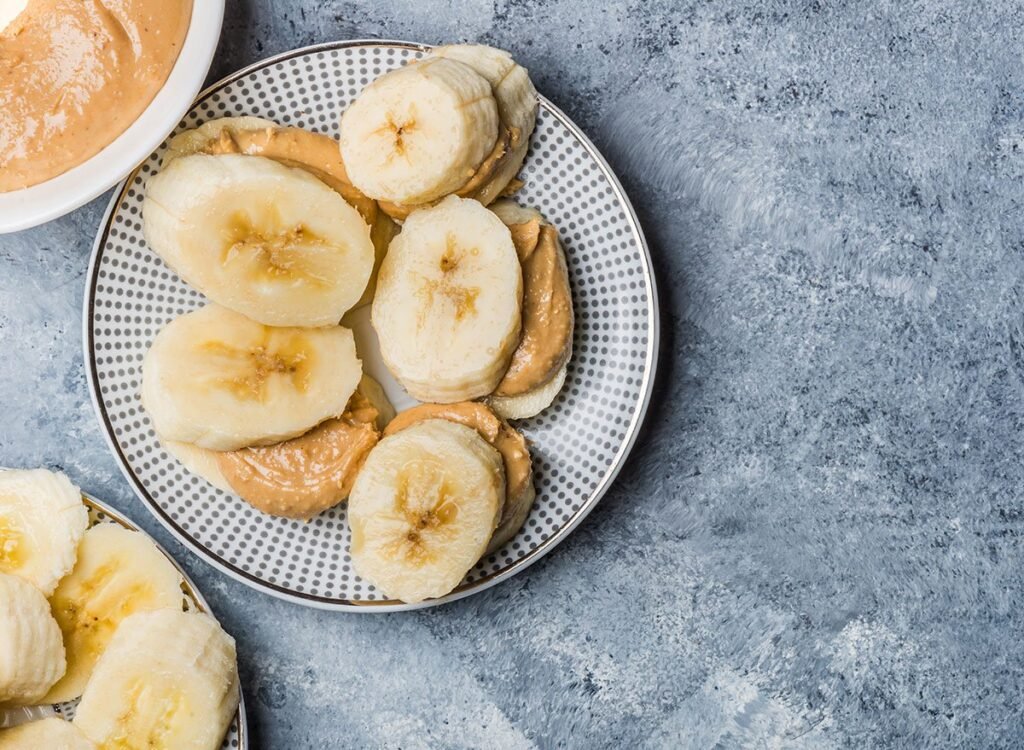
The pre-workout meal has one job: give you energy without weighing you down. That means carbs for fuel plus a little protein, eaten 1–3 hours before training. Carbs top off your muscle glycogen — the readily available energy your muscles burn first — and going in depleted means a weaker, shorter workout. Good options:
- 2–3 hours before: a real meal — oatmeal with banana and peanut butter, rice with chicken and vegetables, a turkey sandwich on whole grain. Balanced, substantial, fully digested by training time.
- 1 hour before: something lighter — Greek yogurt with fruit, a banana with a handful of nuts, toast with honey. Enough to fuel, light enough to settle.
- 30 minutes before: only if you need it — a banana, a few dates, or a small handful of pretzels. Quick-digesting carbs only; anything heavy this close will sit like a rock.
Avoid high-fat and very high-fiber meals right before training — they digest slowly and can cause GI distress mid-workout. And hydrate: 16–20 ounces of water in the 2 hours before exercise. Getting your daily water intake right matters even more on training days. The Academy of Nutrition and Dietetics’ workout fueling guide has sport-specific details if you train for performance.
What to Eat After a Workout
The post-workout meal has two jobs: replenish glycogen and supply protein for repair. The old “30-minute anabolic window” panic has been largely debunked — total daily intake matters far more than stopwatch timing — but eating within a couple of hours after training is still smart practice, especially if you trained fasted. Aim for 20–40 grams of protein plus carbs:
- Grilled chicken or fish with rice and vegetables
- Eggs on whole-grain toast with fruit
- Greek yogurt with granola and berries
- A protein shake with a banana (convenient, not magical)
- Chocolate milk — genuinely one of the best-studied recovery drinks, with a near-ideal carb-to-protein ratio
Don’t skip the carbs after training because you’re “being good” — post-workout is when your muscles are most primed to soak up glycogen, and under-fueled recovery means underwhelming adaptation. This matters especially if you’re building muscle at home, where nutrition is half the program.
What About Supplements?
Honest assessment: for most people, they’re unnecessary. Creatine monohydrate is the exception — it’s the most studied sports supplement in existence, with strong evidence for strength and muscle gains, and it’s cheap. Protein powder is just convenient food, useful if you struggle to hit protein targets from meals. Pre-workout formulas are mostly caffeine with marketing; a cup of coffee does the same job. Everything else — BCAAs, fat burners, test boosters — ranges from redundant to useless for non-elite trainees. Spend the money on better groceries.
Special Situations
Early morning trainers: if eating before a 6 a.m. workout makes you nauseous, a banana or a few sips of juice is plenty — or train fasted and eat a solid breakfast after. Fasted training is fine for moderate sessions; just don’t attempt max-effort work on empty.
Weight loss + training: you still need to fuel workouts. Training hard in a deep deficit tanks performance and recovery; keep the deficit moderate and time carbs around training. Your muscles can’t build or even maintain themselves on fumes.
Endurance sessions (90+ minutes): bring fuel — sports drinks, gels, or real food like bananas and dates, roughly 30–60 grams of carbs per hour. Bonking mid-run is a glycogen problem with a glycogen solution.
Recovery nutrition extends beyond the meal: sleep drives the hormonal environment for repair, and overall dietary quality supplies the micronutrients involved. Nutrient-dense foods serve double duty here — what’s good for recovery is good for everything else too. The Healthline guide to pre- and post-workout nutrition digs into the research for the detail-oriented.
Hydration Timing Around Workouts
Water deserves its own section because it’s the most neglected performance variable. Before: 16–20 oz in the 2–3 hours pre-workout, plus 8 oz 20 minutes before. During: 7–10 oz every 10–20 minutes — don’t wait for thirst, which lags behind need. After: 16–24 oz per pound of body weight lost (weigh yourself before and after once to learn your sweat rate — most people are shocked). For sessions over an hour or heavy sweating, add electrolytes — water alone can dilute blood sodium. Signs you’re under-hydrated: performance dropping off a cliff mid-workout, headache afterward, dark urine. The fix is almost embarrassingly simple: drink on a schedule, not on thirst.
Pre-Workout Nutrition Mistakes
Mistake one: training completely fasted for hard sessions. Fine for easy workouts; terrible for intense ones — performance drops 10–20% without glycogen. Mistake two: the giant meal 30 minutes before. Blood goes to digestion instead of muscles; nausea follows. Time it right. Mistake three: the protein-only pre-workout. Protein is slow fuel; you need carbs for energy — the chicken breast alone isn’t pre-workout food. Mistake four: trying new foods on game day. Race day, competition, important session — eat only tested foods. GI surprises are the most avoidable performance killer. Mistake five: ignoring post-workout entirely. “I’ll eat later” becomes six hours later, and recovery suffers. Keep it simple: fuel before, refuel after, hydrate throughout. The athletes who nail the basics outperform the ones chasing marginal supplement gains every time.
The Practical Takeaway
Eat carbs + a little protein 1–3 hours before training; eat protein + carbs within a couple of hours after. Hydrate throughout. Don’t overthink timing, don’t undersell total intake, and skip the supplement hype except possibly creatine. Workout nutrition is simple fuel logistics — get the basics right consistently and your training results will show it.






